Introduction — A Quiet Shop, Loud Problems
I remember a small metal shop I visited last winter: the owner, Marco, wiped his hands and said, “We breathe this every day.” The workbench looked ordinary, but the air told another story. Recent studies show airborne particulates in many small workshops can exceed healthy limits by two to three times within a single shift. That’s where fume extraction technology steps in, but how do you choose what really helps? (I ask this as someone who’s stood under a grinding hood, squinting through dust.)
I want to be honest: these choices feel overwhelming. You can get lost in specs—airflow, static pressure, or filter class. Yet the real issue is human. Workers need clear air so they can focus, create, and go home healthy. So let’s walk through this together. I’ll share what I’ve learned, the small wins that matter, and the traps to avoid. Now, on to why many systems disappoint—and what that means for you.
Beneath the Surface: Why Traditional Systems Often Fall Short
When we look deeper at the typical dust fume extraction system, several patterns emerge. First, many installations treat extraction like a simple vent job—duct here, hood there—without balancing airflow or checking fan curves. The result is uneven capture and excessive pressure drop. Secondly, filters such as HEPA or baghouse units are chosen by grade alone, not by how the system manages loading or pulse-clean cycles. Those are technical words, yes, but they point to human problems: downtime, surprise filter swaps, and angry operators.
What’s missing?
Look, it’s simpler than you think: a system must be designed around the work process. Cyclone separators and pre-filters can cut maintenance by trapping coarse dust before it reaches the main filter. Edge computing nodes—if you accept a little tech—can monitor fan RPM, static pressure, and alert you before performance collapses. I’ve seen setups where a small change in duct routing fixed capture at a welding bench overnight. That felt like a tiny miracle.
Looking Forward: Principles for Better Systems and Smart Choices
What if we stop treating extraction as an afterthought and start designing for people? New technology principles that matter are simple: predictable airflow, intelligent monitoring, and modular maintenance. A modern dust fume extraction system should pair good old mechanical design with a pinch of modern control—pressure sensors, simple PLC logic, and yes, power converters that handle variable-speed drives cleanly. These elements reduce energy use and keep capture consistent across shifts.
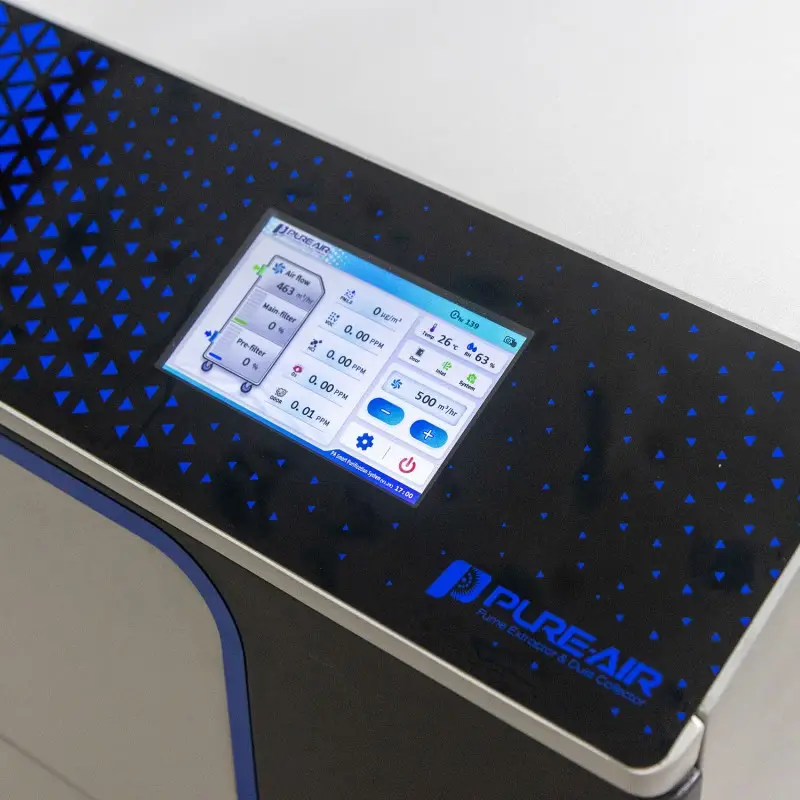
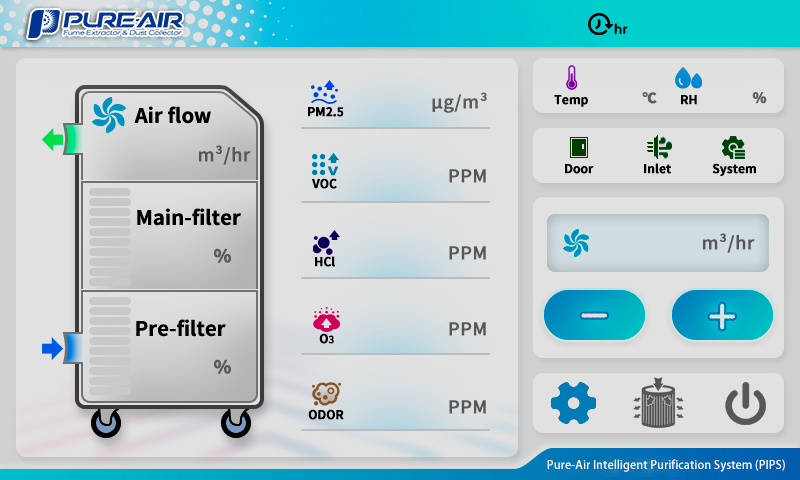
What’s next? First, ask for measured capture at the hood, not just fan horsepower. Second, prefer systems with staged filtration—coarse pre-filter, cyclone, then final HEPA or cartridge—so you don’t spend hours changing expensive media. Third, insist on monitoring: even a basic dashboard that reports airflow and pressure lets you act early. — funny how that works, right?
To close: I recommend three simple evaluation metrics when you compare systems. One — capture efficiency at the source (measured). Two — total cost of ownership (filters, energy, labor). Three — uptime and serviceability (how quick to swap parts). Use these, and you’ll avoid shiny-but-fragile options. I care about results, and I want you to get systems that keep people safe and workshops humming. For practical, well-engineered options that follow these ideas, consider the solutions from PURE-AIR.