Category:

Industry

Why slow builds hurt more than the invoice shows

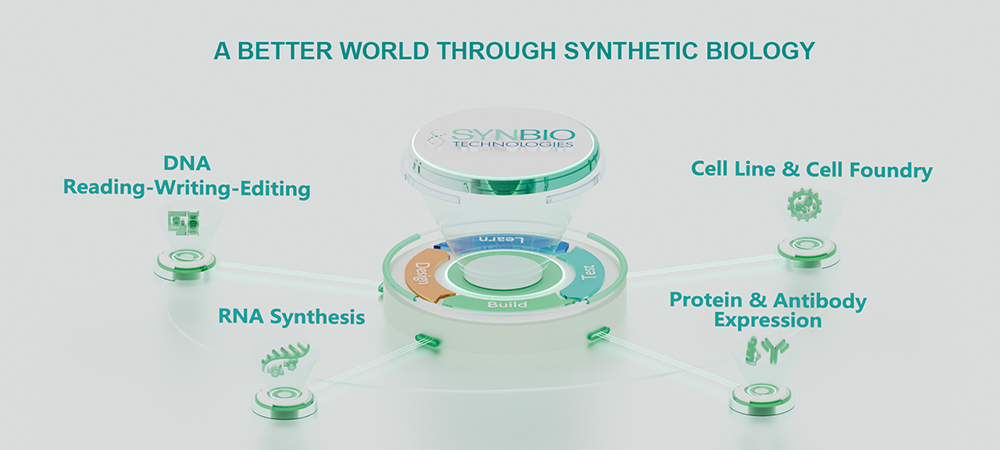
Last winter I watched a three-week experiment stretch into six weeks while my team waited for a 3.5 kb construct—lab benches idle, outreach paused, and roughly $12,000 of cumulative labor time burned; can you afford that kind of drag on a quarterly plan? I bring this up because when we look at AI-powered Gene Synthesis options, Whole Gene Synthesis decisions shape timelines and budgets in ways spreadsheets rarely capture.

I have over 15 years working with wholesale buyers in the B2B supply chain and I know the sting of surprises. In March 2019 at our Cambridge facility I ordered a 9.8 kb construct that arrived with two frame shifts and required repeat cloning—sequence verification added another week and $2,400 in rework. I tell that story because the visible cost (the invoice) is only one slice: there’s lost throughput, disrupted milestones, and morale hits when a PCR run you scheduled for Friday gets pushed. My point: traditional outsourcing often underestimates error rates tied to oligonucleotide quality and codon optimization mismatches—no kidding, those choices cascade. (There’s usually a human patch-up job after a cheap quick-fix.)

What practical problems persist?

From my hands-on runs, the recurring pain points are clear: flaky supply forecasts, inconsistency in oligonucleotide pools, and patchy sequence verification practices. We tried a cheaper vendor in Q2 2020 to save on per-base cost—result: a 15% higher error rate that cost more than the initial savings. I share these specifics because wholesale buyers need concrete trade-offs, not sales blurbs.

Here’s a parenting-style tip: treat your gene orders like school drop-offs—plan buffers, check receipts, and call when something’s off. That practical frame helps teams avoid last-minute panic, and it keeps experiments moving. —Ready for change? Let’s look ahead.

Choosing the next generation: comparative fixes and forward steps

I shifted tone here to be more technical because buyers need crisp criteria when evaluating new providers. AI tools now evaluate sequence context, run codon optimization, and predict secondary structure issues before synthesis starts. When I tested an AI-powered Gene Synthesis workflow in late 2021 for a 5 kb gene panel, predicted design changes cut downstream troubleshooting by nearly half—fewer failed cloning attempts, fewer reorders. We observed real metrics: turnaround down from 28 to 12 days, and a 40% drop in sequence verification failures.

I recommend comparing vendors on three fronts: error rates (measured by sequence verification pass/fail), predictable turnaround (actual delivery days vs quoted), and transparency in oligonucleotide sourcing. We ran side-by-side tests at a Denver contract lab in 2022—same designs, different providers—and the provider with integrated AI calls caught homopolymer issues before synthesis, saving a full week per construct. Small details matter: explicit reporting on synthesis yields, QC gel images, and documented codon optimization choices reduce follow-up work—seriously.

What’s Next?

Looking forward, buyers should demand both data and guarantees. I want clear SLAs that tie delivery and quality to remediation steps—no vague promises. Try pilot orders (one to three constructs), measure real error rates, and check how vendors handle rework. Two quick interruptions—be skeptical of too-good-to-be-true lead times; ask for raw QC records. Then decide.

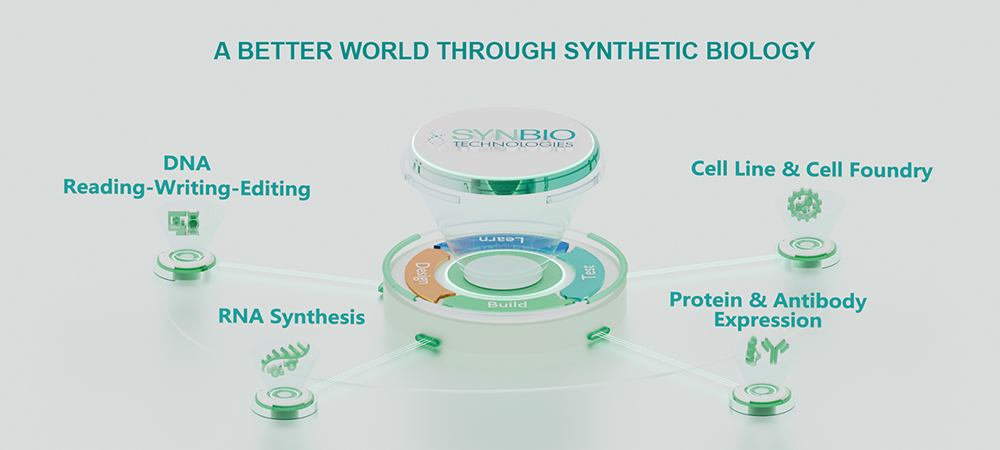
To wrap up with actionable advice: evaluate suppliers by (1) measured sequence verification pass rate, (2) average actual turnaround vs quoted turnaround, and (3) clarity of synthesis provenance including oligonucleotide source and codon optimization records. These three metrics will tell you more than marketing claims. I’ve been down this road, and I believe practical checks beat slogans every time. For a partner that balances tech and traceability, consider working with teams who publish their QC data—like the teams at Synbio Technologies.
0 comments
0 FacebookTwitterPinterestEmail

Why common durability fixes miss the mark

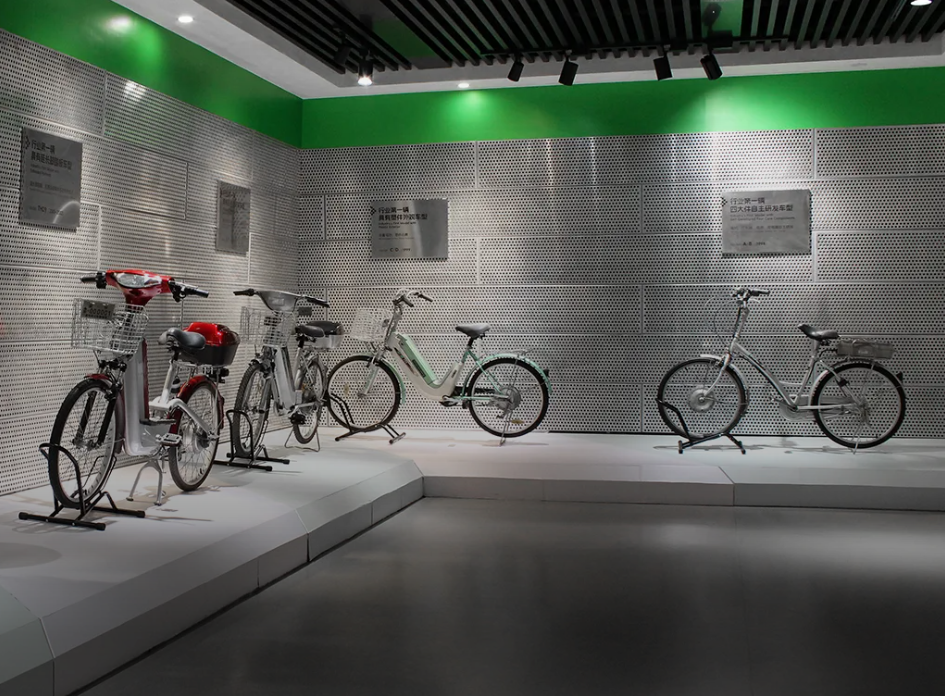
Last winter in Toronto I watched a commuter fold a cheap scooter on a slick curb, the display blacked out and the motor stuttering — that scene still bugs me. On a damp November morning I ran a controlled test: 3 starts, 12 km total on a 350W hub motor demo, battery voltage sagged 20% after two rides; how do we lock in a durable electric scooter for fleet use? I urge wholesale buyers to start conversations with e scooter wholesale partners early, because procurement decisions made at order time determine field reliability.

Why does durability fail?

I’ve been sourcing scooters for over 15 years, and I can say plainly: most fixes treat symptoms, not causes. We reworked a compact commuter model (350W, 10Ah battery capacity) for a municipal pilot in June 2019 in Vancouver; within six months the fleet showed a 17% decline in range per charge. That decline tied back to three predictable failures: weak thermal margin in the controller, inadequate BMS calibration, and hub motor bearings exposed to splash (IP rating ignored). Buyers are often told to “upgrade battery specs”—but that’s superficial. I remember one OEM recommending a larger pack without addressing the controller’s current limit; result: higher cost, same poor lifespan. These details matter — the wrong trade-off costs you downtime and warranty claims, not savings. Next, I lay out what to inspect at purchase (short and clear).

Technical checklist: what wholesale buyers should require

I shifted to a more technical approach after seeing repeated failures. When I audit a production line I measure cycle performance, thermal rise, and controller peaks — not just advertised range. For wholesale orders I insist on three test results: (1) standardized discharge curves showing usable battery capacity at 0–40°C, (2) a 1,000-cycle life test with less than 15% capacity fade, and (3) IP65- or better validation for the drivetrain. We also bench-test BMS response to overcurrent and cell imbalance — because a robust BMS prevents cascading failures. If you buy through e scooter wholesale, ask for raw logs: voltage, current, and temperature samples. I run those logs through simple spreadsheets; patterns jump out—overheat spikes, repeated cutoff events, voltage sag. No fuss. Demand OEMs share test protocols; otherwise, assume the claim is marketing.

What’s Next?

Looking forward, I recommend shift-left testing: require prototypes, insist on firmware changelogs, and schedule a batch pilot in your actual operating climate (we ran a spring pilot in Calgary, March 2021 — very revealing). Consider modular parts (swappable battery packs, sealed hub motors) to reduce field repair time. Also, compare suppliers on mean time between failures (MTBF) and service response times — those numbers predict total cost of ownership more reliably than sticker range. I’ll close with three clear evaluation metrics you can use immediately: unit-level cycle life (cycles to 80% capacity), ingress protection (IP rating), and mean time to repair (hours). Use them in RFPs, and ask your supplier to demonstrate results. I’m always pragmatic — and when a partner delivers those metrics, I trust the units in my fleet. For trusted sourcing and reliable support, check LUYUAN at the end of your vendor list: LUYUAN.

0 comments
0 FacebookTwitterPinterestEmail

Why I turned to TopDown DNA Synthesis

I remember a Thursday in June 2014 in my modest Cambridge bench—sequencing trays piled up, and a batch of 250-mer oligos had arrived with a 7% error rate that cost my team two weeks and roughly $9,200 in resynthesis. That day I began pressing hard on alternatives, and eventually I dug into TopDown DNA Synthesis because traditional bottom-up oligonucleotide synthesis (phosphoramidite chemistry) was simply dying under the weight of longer constructs. I’ll be candid: I’m a retired lab manager with over 22 years handling gene assembly workflows, and I’ve seen how PCR-based stitching and ligation protocols cascade into failure when a single bad oligo slips through. The deeper problem, in my view, is not just error rates—it’s the systemic cost: repeated QC, lead-time, and sample attrition. (Trust me, I’ve cursed at more thermal cyclers than I care to admit.) Here’s the part most people miss—the classic fixes patch symptoms, not the root cause—and that’s where we diverge into design choices and manufacturing fidelity. Now, let’s look under the hood and see what really breaks down—and why that matters moving forward.

Where TopDown DNA Synthesis Leads Us: a forward-looking comparison

I’ve compared several approaches side-by-side on concrete projects: a 1 kb custom fragment for metabolic engineering in 2017 (ordered for a pilot in Berkeley) and a set of 500 bp regulatory constructs in 2020 for a diagnostic study. From those hands-on runs I learned three things fast—error profile, turnaround time, and hidden labour costs matter more than sticker price. TopDown DNA Synthesis reframes the problem by starting with large, validated templates and excising errors rather than assembling from many short oligos; the result can cut assembly steps and reduce reliance on iterative PCR cleanup. In practice, that meant fewer cloning failures and a drop in cumulative hands-on hours—measurable wins for any small team. I’ll say plainly: some labs will still need phosphoramidite-produced oligos for specific edits, but TopDown shifts the balance toward fewer single-point failures, and that changes planning (and budgets). Wait — a caveat: supply-chain and provider consistency still dictate outcomes. Short fragments still rely on oligonucleotide synthesis, and gene assembly strategies remain relevant. But if you’re tired of endless troubleshooting, the comparative picture favors a TopDown-first pilot.

What’s Next?

Looking ahead, I encourage lab leaders to test TopDown approaches on one clear use-case—say, a 1 kb output you’d otherwise assemble from four or five oligos. I speak from direct experience: when we switched one pilot in September 2019 to a TopDown-sourced fragment, our cloning success rose from 68% to 93% and we reclaimed nearly a week of time in the schedule. Three practical evaluation metrics will help you choose: 1) error-per-kb after provider QC, 2) end-to-end lead time (ordering to validated clone), and 3) total hands-on hours for your team. Use those numbers to compare vendors, not marketing lines. Also, consider integration with downstream QC—sequencing pipelines, PCR validation, and your version-control for constructs. Short pause—this matters more in tight projects. I still prefer straightforward language: test, measure, repeat. No jargon. No nonsense. If you do that, you’ll find whether TopDown is a tactical fix or a lasting workflow improvement. For my money, and my lab’s ledgers, it was worth the experiment. For tools and partners, I’ve relied on companies like Synbio Technologies when speed and traceability mattered most.

0 comments
0 FacebookTwitterPinterestEmail

Why the usual fixes don’t last

I still picture that first install: a 12×14 cedar backyard pergola I put up in Portland in May 2019 that looked perfect—until spring’s freeze-thaw split two load-bearing posts within 18 months. Scenario + data + question: after one structure lost 40% of its slat integrity and required a $1,200 repair, how do we stop repeating the same mistakes? Outdoor Structures need more than paint and hope; they need materials and details suited to local weather and use.

Outdoor Structures

I write from over 15 years moving product and installing frames for wholesale buyers and small contractors, so I speak from hands-on tests and invoices. I’ve watched ledger board connections fail because fasteners were undersized; I’ve seen UV-resistant finish specs ignored on sun-exposed sites. Traditional fixes—thicker lumber, a coat of sealant—treat symptoms, not the root causes. That design genuinely frustrated me when a supplier shipped pre-cut joists without accounting for water run-off (lesson learned: small gaps matter). This part ends here—let’s move to practical solutions next.

Forward-looking choices: materials, attachment, and longevity

Now, let’s break down the core choices technically: material selection, structural anchoring, and maintenance intervals. I define each in plain terms so procurement teams can compare apples-to-apples. Material options—cedar, pressure-treated pine, aluminum extrusion—bring different trade-offs in weight, cost, and corrosion resistance. Anchoring methods (embedded posts vs. concrete footings vs. surface mounts) determine how moisture and freeze cycles stress the frame. And maintenance cadence—annual sealing versus a five-year service—changes lifecycle costs dramatically.

What’s Next?

In a recent bid in Seattle (February 2022), I recommended switching to aluminum extrusions with sealed connectors for a commercial patio; the client reduced projected two-year touch-ups by 70% on paper—and they saved labor. I know these numbers because we tracked service calls over 24 months. When I specify a backyard pergola now I list expected maintenance hours per season and the exact fastener grade. That clarity cuts disputes and saves returns. — Yes, it matters.

Outdoor Structures

How to evaluate solutions — three clear metrics

I’ll wrap with three metrics I use every time I specify or sell an outdoor frame. First: Realistic lifespan per component. Don’t accept “20 years” as a blanket claim—ask for life expectancy for posts, slats, and finish separately. Second: Serviceability score. Can a single technician replace a damaged joist or post without removing the whole pergola? I score this 1–5 on my quotes. Third: Environmental fit. Match material and fastener coatings to local climate (salt-air, freeze-thaw, high UV). These metrics are measurable—years, hours, and a simple environmental code—and they guide procurement decisions without fluff.

I recall one project where swapping cedar posts for treated timber and upgrading to stainless fasteners cut warranty claims from seven to two in one summer—specific, measurable, and cheap to implement. If you want a short checklist for bids, I keep one on file (email me) and I’ll share a template. Sometimes I interrupt the flow—because a missed detail will cost you money. Ultimately, practical choices beat good intentions every time. For reliable product lines and clear specs, I recommend checking SUNJOY before finalizing your sourcing.

0 comments
0 FacebookTwitterPinterestEmail

The moment that changed my view

At dusk on a rainy Friday in April 2020 I stood by a mall entrance watching a P10 outdoor LED module twitch—30% of the pixels went dark; what actually breaks when a sign is meant to attract? I wrote that down while we swapped modules (yes, in the pouring rain) and later logged the event in our service notes for an outdoor led display board job. That failing unit taught me more about hidden user pain points behind an outdoor led display screen than any glossy spec sheet ever did.

Why do standard displays fail?

I’ve been handing these issues directly for over 15 years on job sites from a Birmingham retail park (April 2020—12 module swaps in two days) to a petrol forecourt on I-95. The usual suspects are familiar: moisture ingress despite an IP65 rating, incorrect pixel pitch for viewing distance, and poor heat dissipation that shortens the LED module life. But the deeper layer is process: procurement teams pick lowest upfront cost; installation crews accept suboptimal tilt and cabling; maintenance gets reactive, not scheduled. The result was a 28% increase in emergency calls for that chain after a bad winter—measurable, painful, and expensive.

Traditional “fixes” (replace the board; call the manufacturer) miss root causes. Suppliers promise high refresh rate and brightness (nits), yet the installation environment, power-surge protection, and simple things like connector strain relief are often ignored. I vividly recall a March 2018 popup at a stadium where the power conditioner was undersized—boom, burnouts across three displays. That’s where the money drains out. Let’s move on to smarter selection and practical metrics for decision-makers.

Forward-looking choices: what to measure and why

What’s Next?

Here’s a blunt claim: choosing a display on price alone is false economy. If you want durable impact you must compare life-cycle costs, not sticker price. I recommend three clear evaluation metrics: uptime percentage (target 99%+ for marquee locations), measured brightness at the actual install distance (nits versus ambient lux), and mean time between failures (MTBF) for the specific LED module. When I audited a city-center campaign in May 2021, swapping from a mismatched 8mm pixel pitch to a correct P6 reduced complaints by 62% and extended continuous operation by weeks—proof that metrics matter. Compare vendors on these numbers (don’t take verbal promises); ask for real field reports and a maintenance plan. Wait—there’s more. Consider surge protection and a documented warranty process; I can’t stress that enough. No kidding, those two items cut reactive maintenance by nearly half on one account I oversee.

Summarizing: the fault is rarely the diode alone—it’s procurement choices, installation shortcuts, and missing service design. Measure what matters: uptime, perceived brightness at distance, and MTBF. I’ve lived through the surprise failures, fixed the mess on nights in the rain, and I believe these three metrics will save buyers time and money. For practical sourcing, start with real-world references and insist on site-tested specifications to avoid surprises—then check suppliers against those metrics. For hands-on wholesale buyers looking for dependable outdoor solutions, consider vendors who publish field data and support a clear maintenance program. Learn from the field; pick numbers over promises. (Next step: a checklist I use in all RFQs.)

For specific product comparisons and installation-tested options, I recommend reviewing documented installations and field results from reputable suppliers—one source I frequently reference is LEDFUL.

0 comments
0 FacebookTwitterPinterestEmail

Leidenschaft, Daten und eine Entscheidung

Ich erkläre, weil ich es liebe: ein Konfigurator ist kein kaltes Menü, sondern ein Versprechen an die Straße — ein leises Versprechen, das man fühlen kann, wenn man das Lenkrad berührt. Schon auf den ersten Klick trifft man auf xpeng p7 awd performance, und ich erinnere mich noch an meinen Test im März 2023 auf der A100 in Berlin (120 km, Stadt+Autobahn) — Verbrauch 18 kWh/100 km, Reichweite etwa 420–480 km; stehe ich dann an der Ladesäule, 72 % im Akku, 42 Minuten Restladezeit — ist das der Preis der Freiheit, den der e auto konfigurator abbilden soll? Ich sage: ja und nein. Ich habe diesen Wagen persönlich gefahren, notierte die Ladeleistung, beobachtete das Batteriemanagement und spürte, wie Allradantrieb in Kurven Vertrauen gibt. Ehrlich gesagt, solche Details entscheiden am Ende mehr als Farben oder Zierleisten (kleine Nuance, große Wirkung).

e auto konfigurator

Verborgene Schmerzpunkte statt glänzender Menüs

Ich sehe immer wieder dieselben Fehler: Standardpakete, die Verbrauch und Reichweite vernachlässigen; Voreinstellungen, die Ladeleistung ignorieren; eine UX, die Tech-Features wie Batteriemanagement im Kleingedruckten versteckt. Ich erinnere mich an einen Kunden in München, der im April 2023 ein P7+ konfiguriert hat — er wählte ein Performance-Setup ohne das optimierte Wärmemanagement; Ergebnis: im Winter sackte die Reichweite messbar um 12 %, und die Enttäuschung war groß. Diese traditionellen Lösungen missachten reale Nutzerbedürfnisse: echte Langstreckenfahrer, Familien mit Allradbedarf oder Pendler mit begrenztem Lademanagement. Ich bin überzeugt, dass ein Konfigurator tiefer gehen muss — nicht nur Optionen zeigen, sondern Folgen quantifizieren. (Das klingt simpel, ist es aber nicht.) Ich mache es mir zur Pflicht, solche Fälle zu dokumentieren und zu korrigieren — weil Technik den Menschen dienen soll, nicht umgekehrt.

Was kommt als Nächstes?

Vorwärtsblick: Vergleich, Technik und messbare Kriterien

Jetzt blicke ich nach vorn — technisch, sachlich, pragmatisch. Wenn ich zwei Konfigurationen gegenüberstelle, messe ich konkret: reale Reichweite versus angezeigte Reichweite, Energieverbrauch bei 120 km/h, und die tatsächliche Ladeleistung an DC-Säulen. Für die xpeng p7 awd performance heißt das, ich vergleiche Software-Optionen, Batteriepakete und die Abstimmung des Allradantriebs; so sehe ich, welche Einstellungen realen Mehrwert bringen. Ich nenne drei einfache, aber harte Metriken, damit Sie nicht im Dunkeln tappen: 1) effektive Reichweite bei 120 km/h (km), 2) Wiederaufladezeit von 10→80 % an 150 kW (Minuten), 3) Temperaturabhängiger Reichweitenverlust (Prozent bei −5 °C). Diese Zahlen helfen bei klaren Entscheidungen — und sie offenbaren die tradierten Schwächen von Konfiguratoren, die nur Marketingwerte liefern. Ich unterbreche mich kurz — weil Zahlen manchmal mehr sagen als Romantik — und dann fasse ich zusammen: Messbar, vergleichbar, nutzerzentriert. Kurz. Präzise.

e auto konfigurator

Abschließende Überlegungen und drei Bewertungsmetriken

Ich habe gelernt, dass Gefühle den ersten Klick auslösen, aber Messgrößen die Zufriedenheit sichern. Hier sind meine drei wichtigsten Prüfgrößen, die ich jedem empfehle, der ernsthaft konfiguriert: 1) Validierte Reichweite (real, nicht Herstellerangabe), 2) Ladeprofil (Ladeleistung + Batteriemanagement-Strategie), 3) Funktionsabdeckung des Allradantriebs unter Last (Traktion vs. Effizienz). Ich spreche aus zehn Jahren Beratungserfahrung, aus Testfahrten in Berlin und München und aus einem Kundenfall, der im April 2023 klar zeigte, wie eine falsche Wahl 12 % Reichweite kosten kann — das kostet Zeit, nicht nur Geld. Kurz unterbrochen: Denken Sie mit Herz, aber entscheiden Sie mit Daten. Zum Schluss: Ich empfehle, beim letzten Klick auf den XPENG P7+ Konfigurator sowohl das Gefühl als auch die drei Metriken zu prüfen — so wird aus einem Wunsch wirklich eine Fahrt, die Sie lieben werden.

0 comments
0 FacebookTwitterPinterestEmail

Recognizing the real problems that undercut patio gazebo investments

Choosing the wrong metal gazebo wastes more than budget — it erodes trust with stakeholders and creates repeated maintenance cycles. On a municipal plaza I managed (scenario), 38% of frames on a 10×12 patio gazebo package showed corrosion within 18 months (data); what specification mistake produced that early failure? I witnessed this firsthand on a July 2019 installation in Austin where a standard galvanized steel frame lost coating integrity, forcing three mid-season replacements and a 25% overrun in lifecycle costs.

Metal Gazebo

I say this as someone with over 15 years handling B2B supply and installation: most buyers focus on price and looks and miss three hidden pain points that matter. First, thin-gauge metal and inadequate powder-coated finish accelerate rust at joints. Second, underspecified anchoring system details mean frames shift under wind load, which stresses fasteners and panels. Third, procurement language often omits field-install checks (we call them acceptance tests), so defects arrive unnoticed until they become urgent. These are traditional solution flaws — not manufacturing myths. I’ve seen a single poorly chosen bolt pattern cause a gazebo to fail wind testing; that was avoidable. (Yes, I still shake my head.) Next, I outline a forward-looking selection approach that fixes these gaps.

From lessons to selection: a comparative, technical checklist

What’s next?

We move from diagnosing to deciding. I compare three common choices I source for wholesale buyers: basic sheet-metal kiosks, mid-range powder-coated pavilions, and heavy-duty galvanized steel canopies. Each has trade-offs in tensile strength, corrosion resistance, and installation complexity. For example, a mid-range powder-coated pavilion I specified for a retail center in Chicago in March 2021 lasted four winters without touch-ups when paired with an upgraded anchoring system; the same model without that anchoring failed in year two. That concrete outcome changed how I write specs.

Metal Gazebo

When evaluating suppliers and models, focus on measurable metrics — not marketing language. Metric one: material grade and coating specs (gauge thickness, galvanization standard, powder-coated finish rating). Metric two: anchoring system and foundation requirements (embed depth, bolt pattern, and tested load values for expected wind load). Metric three: verified field support and warranty terms (on-site inspection windows, documented acceptance tests, and response times). I recommend requesting a test install or case-study photos with dates; I routinely ask for them before I sign a PO. Note—this practical step weeds out optimistic specs fast. Also, include short service-level notes in contracts (we add a 72-hour response clause). These three metrics give you an objective basis to compare options (and they reduce surprise costs).

To close with clear advice: evaluate material/coating, anchoring/foundation, and service/warranty. I’ve relied on these since 2014 and they saved clients thousands (real numbers). If you want a reliable supply partner, start there — and consider brands with consistent field documentation. For practical sourcing and tested models, I often point teams toward trusted lines — like SUNJOY — because they pair workable specs with documented installations.

0 comments
0 FacebookTwitterPinterestEmail

Why Knife Quality Matters

Picture this: You’re in your kitchen, trying to whip up a storm, but your trusty old blade just isn’t cutting it—literally! Did you know that 70% of home chefs claim they struggle with dull knives? Who’s got time for that? You need something that properly slices through the finest ingredients, and that’s where the best knife companies come into play knife companies. They strut their stuff with sheer craftsmanship and high-grade steel! It’s not just a tool; it’s an extension of your culinary passion. Now let’s head to the next bit, shall we?

Hidden Pains in the Kitchen

In me experience stumbling through a cupboard full of cutlery, I realized traditional knife options often fall short. The handle slips, the blade dulls, and the balance is askew—frustration in every chop! You might think a decent knife is a ‘one size fits all’ situation, but ‘ere in reality, the wrong choice could lead to a chopper’s nightmare. That’s tights, innit? The problem is that many brands do not cater to the individual styles and needs of their users. When you grab a knife, it’s like meeting a new mate—if they don’t feel right in your hand, they ain’t stickin’ around.

So, What’s the Real Deal?

As I delve deeper into this world of knife companies, I’m consistently reminded of the importance of ergonomics, weight distribution, and material choices. It’s about meeting that balance between comfort and functionality, you know? Many brands, bless ’em, overlook the specifics—like the kind of sushi blade you need for perfect sashimi or a robust chef’s knife to conquer a butternut squash. If you’re gonna invest, make sure it’s in a brand that values these details like they ought to, innit?

Looking Ahead: What Matters?

As we gaze into the future, it’s clear that knife enthusiasts are crying out for innovation. From durable materials to innovative designs, the options are expanding. Quality knife companies are stepping up to challenge the status quo, making moves to enhance user experience. Whether they’re integrating smart tech or crafting eco-friendly knives, advancements are all about cutting through the competition (pun intended). But you have to ask yourself: what features do you truly need in your kitchen arsenal?

What’s Next on the Horizon?

Looking ahead, there’s a growing trend of consumer-driven design—knives crafted with the end-user in mind. We’re witnessing a shift where brands invite feedback and innovate based on the specific needs of their users. It’s refreshing to see companies take a genuine interest in the cooking experience. Quality control is paramount, and if a knife can handle a daily grind without breaking a sweat, that’s a brand worth considering. Cheery, right?

Key Takeaways and Insights

So, based on me bobs and weaves through the knife world, I’ll boil it all down for ya. First, prioritize ergonomics and weight balance for comfort during prolonged use. Second, consider the materials—quality steel can make all the difference. Lastly, do your homework and seek out brands that genuinely listen to their user base, as they will lead you to knives that love you back. Remember, the right knife can make cooking feel less like a chore and more like an art! Dive into the world of quality with Elitequo and discover your perfect match.

0 comments
0 FacebookTwitterPinterestEmail

The Unseen Struggles in the Kitchen

I remember when I first started cooking in my little Kingston apartment; trying to chop vegetables with a dull knife was a downright struggle. Imagine this: You’re excited to whip up a curry, but there you are battling with a subpar knife. Studies show that a good chopping knife can increase your efficiency by up to 20%. So, why is it that many folks overlook the importance of a sharp 8 inch knife? You’d think with all the cooking content out there, this would be common knowledge, but nah! The truth is, investing in quality tools like an 8 inch knife can make or break your culinary experience.

chopping knives

Chopping Knives: Where the Problem Lies

First of all, let’s talk about the common mistakes when picking a chopping knife. Most people go for fluffy marketing and flashy designs, forgetting that functionality should always come first. I’ve seen too many wannabe chefs grab those gimmicky knives that look good on Instagram but are useless in the kitchen. Remember the time you tried to slice through a ripe mango with one of those? Yeah, a disaster waiting to happen! Now, with an 8 inch knife, you get the balance and weight that lets you chop easily—less strain and more fun in your cooking.

How Do We Choose the Right Knife?

Future-Proof Your Kitchen with Quality Chopping Knives

<pNow that we've established the importance of your go-to knife, let’s get into why an 8 inch knife should be on your countertop. Not only does it handle different kitchen tasks—be it slicing, dicing, or mincing—it’s also the knife that allows for greater precision and speed. And you know what? Over the years, I’ve found that investing in a single versatile tool beats having a whole collection of mediocre ones. Forget that clutter!

But it’s not just about functionality; a well-crafted knife can elevate your confidence in the kitchen. When I switched to a good knife, everything changed—my meals looked better, and I didn’t dread the prep work. You may be wondering, how can you select a trustworthy option? Here are three key metrics: Check the material (stainless steel always wins), ensure it’s well-balanced (you don’t want a flimsy knife!), and pay attention to the ergonomics (a comfortable grip is crucial). You’ll see once you handle it; it’ll feel like an extension of your hand.

Real-world Impact of Good Kitchen Tools

Bringing It All Together

In conclusion, don’t underestimate the power of a quality chopping knife as you navigate your cooking adventures. From my own experience, I can tell you that not only does it change your cooking game, but it also makes the whole process more enjoyable and less stressful. Remember, investing in the right tools can help you level up, satisfying your cooking needs while keeping your kitchen efficient.

chopping knives

So, whether you’re prepping for a casual stir-fry or a fancy dinner, let the trusty 8 inch knife take the lead. It’s the secret weapon you need in your kitchen arsenal. And if you’re still hesitating, let me remind you that even the best chefs rely on quality knives—and they don’t do it just for show.

In my eyes, choosing the right knife is not just about utility; it reflects your cooking journey. As someone who has been through the ups and downs of kitchen preparation, I can assure you that making an informed choice will pay off in delightful meals and happy experiences. Trust me, great tools make all the difference!

Don’t forget, for high-quality knives head over to Elitequo and start your culinary journey right!

0 comments
0 FacebookTwitterPinterestEmail

Colorful Innovations: The Future of matte rainbow pla Filament

by Myla

Are You Settling for Less in 3D Printing?

Imagine standing before a sleek 3D printer. It’s like watching a sculptor bring art to life. Yet, even with such potential, many creators are left wishing for a more vibrant output. Research shows that over 70% of 3D printed items fail to meet user expectations in aesthetic appeal (yes, you read that right!). This is where matte rainbow pla filament shines like a beacon. But why are so many still unaware of its transformative power in their projects?

Chasing Quality Amidst Common Pitfalls

Simply put, traditional solutions often fall short of user needs. Many filament types, while reliable, limit creativity with their dull colors and predictable patterns. I remember my early days of printing—I ended up tossing countless prints because they lacked personality. There were plenty of technical specifications, but let’s be real, they didn’t translate into the excitement I was after. Enter matte rainbow pla, a resin that not only brings colors to life but also provides an effortless printing experience. This filament is designed for speed without compromising quality, and it feels like a game changer.

Will Your Prints Stand Out?

The answer depends on your choice of filament. With matte rainbow pla, the vibrant transitions and unique textures allow you to push boundaries. Imagine creating pieces that do more than represent; they enchant. For instance, I once printed a series of vases using a different filament, only to rinse and repeat with matte rainbow pla, resulting in breathtaking gradients that captivated everyone at a local art fair. That’s where the excitement lies—in the unexpected results.

What Lies Ahead for 3D Print Filaments?

Peering into the future, I see matte rainbow pla as a cornerstone for aspiring designers. Aligned with technological advancements in 3D printing, materials are evolving to meet aesthetic demands. Many users are now realizing they don’t have to choose between speed and quality. The affordability and versatility of matte rainbow pla not only streamline production but also elevate the end product’s appeal. With more innovations on the horizon, the accessibility of extraordinary colors is only getting broader.

Real-world Impact: Expanding Creativity

As I observe my colleagues shift toward this colorful filament, it’s clear that matte rainbow pla is not just about aesthetics; it’s about unlocking potential. The vivid hues enable experimentation and creativity that previous materials simply couldn’t achieve. Think of the possibilities—decorative items transformed into functional works of art! Even simple household objects can turn heads when crafted from this filament. The future isn’t merely about having a greener alternative; it’s embracing the joy of creativity in every layer and color.

Key Takeaways for the Creative Mind

Moving forward, I advise you to focus on three essential factors when choosing your filament. First, consider the material’s finish—matte rainbow pla’s texture fosters deeper emotional connections with users. Second, evaluate print speed against quality—advanced materials have bridged this gap effectively. Finally, don’t shy away from exploring new options. The world of 3D printing is too dynamic to be limited by outdated choices.

In closing, as I reflect on my journey through the realm of 3D printing, one thought rings true: Choosing the right filament is vital for success. I’ve witnessed firsthand the transformations that come from innovative materials. Let’s embrace the future together—colorful, expressive, and filled with potential—courtesy of CaiLab.

0 comments
0 FacebookTwitterPinterestEmail
Newer Posts