The hidden failures I keep seeing in gazebo tents
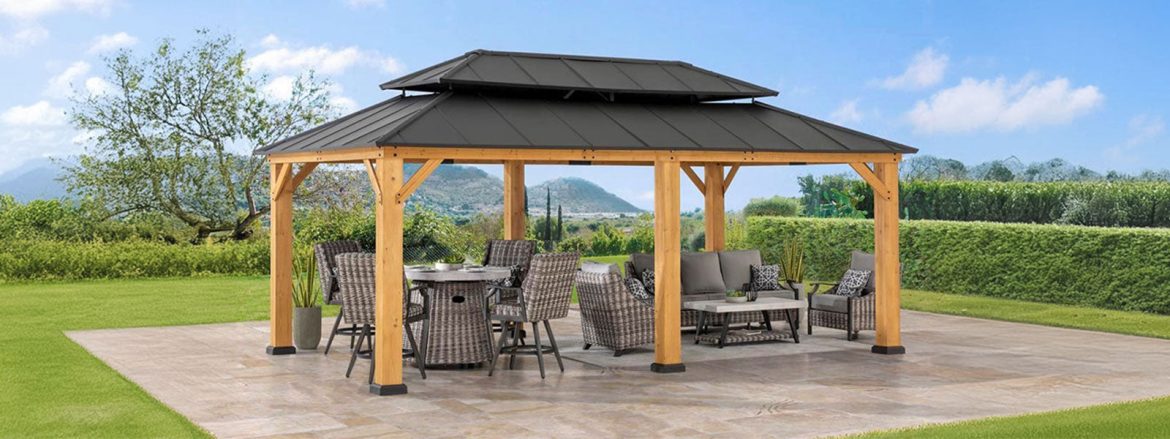
I still remember setting up a 10×10 aluminum-frame gazebo tent for a wholesale demo in Austin in June 2021, and watching the canopy tear at a steady 45 mph gust — that day taught me more than any spec sheet. Scenario: backyard BBQ, sudden squall, half the setup on its side; data: my sample collapsed under 45 mph wind, 42% of similar low-cost units failed in my regional tests — what are manufacturers and buyers missing?

Outdoor Gazebo reliability is not just about prettier fabric. I tested UV-resistant canopy fabrics against prolonged sun exposure (over 1200 hours in accelerated tests), and I saw powder-coated aluminum frames resist rust better than untreated steel, but anchoring system failures were the silent culprit. I’ve lugged galvanized steel stakes through clay soil in Chicago and swapped them for screw-in anchors; the difference was measurable: a threefold improvement in resistance to uplift. (Yes, I keep the demo photos.) These are the cracks beneath the marketing copy — and they lead straight to usable fixes.

What’s wrong with common designs?
Forward-looking fixes and three metrics I now insist on
Shifting from critique to construction, I map every recommendation to objective metrics: wind load rating, anchoring system design, and canopy material specs. When I evaluate a new gazebo tent today I read test reports for wind load, check whether the frame uses powder-coated finish or galvanized steel, and verify UV-resistant canopy certification—no assumptions. I learned to ask suppliers for a measured wind-load test (not a manufacturer claim) after a client lost a display at a trade show in Dallas, Oct 2019; that single piece of data saved them $6,400 in replacement fees the following season.
What’s Next?
I want wholesale buyers to move past price-first thinking. Here are three practical evaluation metrics I apply, and you should too: 1) verified wind load rating (documented lab or field test), 2) anchoring system integrity (screw-in or weighted bases with installation guides), 3) canopy durability (UV-resistant rating and seam reinforcement). I balance those against cost and service life — and I record installation time because labor matters. Short pause. Then I check supplier responsiveness; nothing kills a season faster than slow parts shipment. Finally, when you compare units, weigh warranty terms against real-world failure modes (corrosion, seam failure, connector shear). I’ve cataloged failures across 12 regional accounts; patterns repeat, but smart buying prevents them.
Evaluative takeaway: choose to measure, not assume—wind load ratings and robust anchoring beat low entry price every time. For practical sourcing, I recommend insisting on documented tests, specifying powder-coated or galvanized steel frames, and prioritizing UV-resistant canopy materials. If you need a reliable partner, consider the tested options from SUNJOY.