
Framework at a glance
This piece lays out a sober, stepwise framework for ensuring operational consistency across mass‑produced utility-scale installations. It treats modularity as policy, repeatability as quality, and human oversight as the steadying force. Early design choices — cell chemistry, inverter selection, and a robust battery management system — set the cadence for decades of reliable performance. Real deployments, from the Hornsdale Power Reserve in South Australia (deployed 2017) to recent grid‑scale projects in California, show how a clear framework shrinks commissioning time and aligns field crews. For projects that need proven hardware and lifecycle planning, consider systems built around tested commercial energy storage systems and integrated commercial energy storage batteries.

Core pillars of the framework
Three pillars hold the framework together: standardized design, predictable operations, and continuous verification. Standardized design reduces variation across factory units; it means the same rack layout, identical thermal management, and uniform communication stacks. Predictable operations come from consistent SoC strategies, harmonized inverter settings, and a single approach to firmware releases. Continuous verification is both remote and local: automated telemetry plus scheduled hands‑on audits that validate BMS behavior and safety interlocks. Each pillar is simple but strict — and they work together to limit surprises in the field.
From factory to field: repeatable processes
The production line must be a mirror of the field. That means test scripts used in manufacturing are the exact scripts used during commissioning, and telemetry thresholds are copied from factory acceptance tests into site controllers. A checklist approach is not enough; the checklist must be executable code and configuration that can be versioned. Treat firmware and configuration like front‑end assets: source controlled, reviewed, and rolled out with staging environments. This reduces human error and accelerates mean time to service.
Operational playbook: routines that scale
Daily operational routines should be short, clear, and repeatable. Start with health snapshots: cell voltages, BMS alarms, inverter fault logs. Move to trend checks — thermal gradients across modules, round‑trip efficiency, subtle shifts in capacity — and finish with a short log entry that captures anything off script. Train crews on those three steps until they’re second nature. Language matters: use simple labels and the same diagnostic names across sites so remote engineers can triage quickly. Small notes help — a quick aside on how the inverter handles low‑voltage ride‑through can save hours during a storm. — Keep human judgment central, but make that judgment informed by consistent data.
Common pitfalls and practical alternatives
Two recurring mistakes undermine consistency: bespoke site adaptations and delayed firmware governance. Bespoke changes multiply spare‑parts lists and confuse technicians. If a site truly needs a modification, treat it as a new product variant rather than a one‑off change. For teams looking to avoid heavy customization, prefabricated containerized builds offer a straight path: lower site labor, standard thermal management, and repeatable commissioning steps. Another alternative is a layered control architecture — local controllers for safety and a central supervisory layer for optimization — that contains variance while allowing site‑specific dispatch strategies.
Verification, metrics, and a real‑world anchor
Verification is where theory meets grid reality. Hornsdale’s rapid response to frequency events showed how operation under a clear verification plan can deliver measurable grid benefits. Track three core metrics: availability percentage, cumulative throughput (MWh), and containment of thermal excursions. Use them to trigger maintenance windows and to validate warranty claims. Make archival logs immutable for regulatory audits and for safety reviews — that practice keeps teams honest and contracts enforceable.
Three golden rules for selection and oversight
Rule 1: Prioritize design reproducibility — choose systems with documented factory acceptance tests and consistent BOMs. Rule 2: Enforce configuration governance — manage firmware, inverter settings, and BMS policies in a single versioned repository. Rule 3: Measure what matters — availability, throughput, and thermal stability are non‑negotiable metrics that predict long‑term outcomes. These rules simplify vendor comparisons, shorten commissioning, and protect asset value.
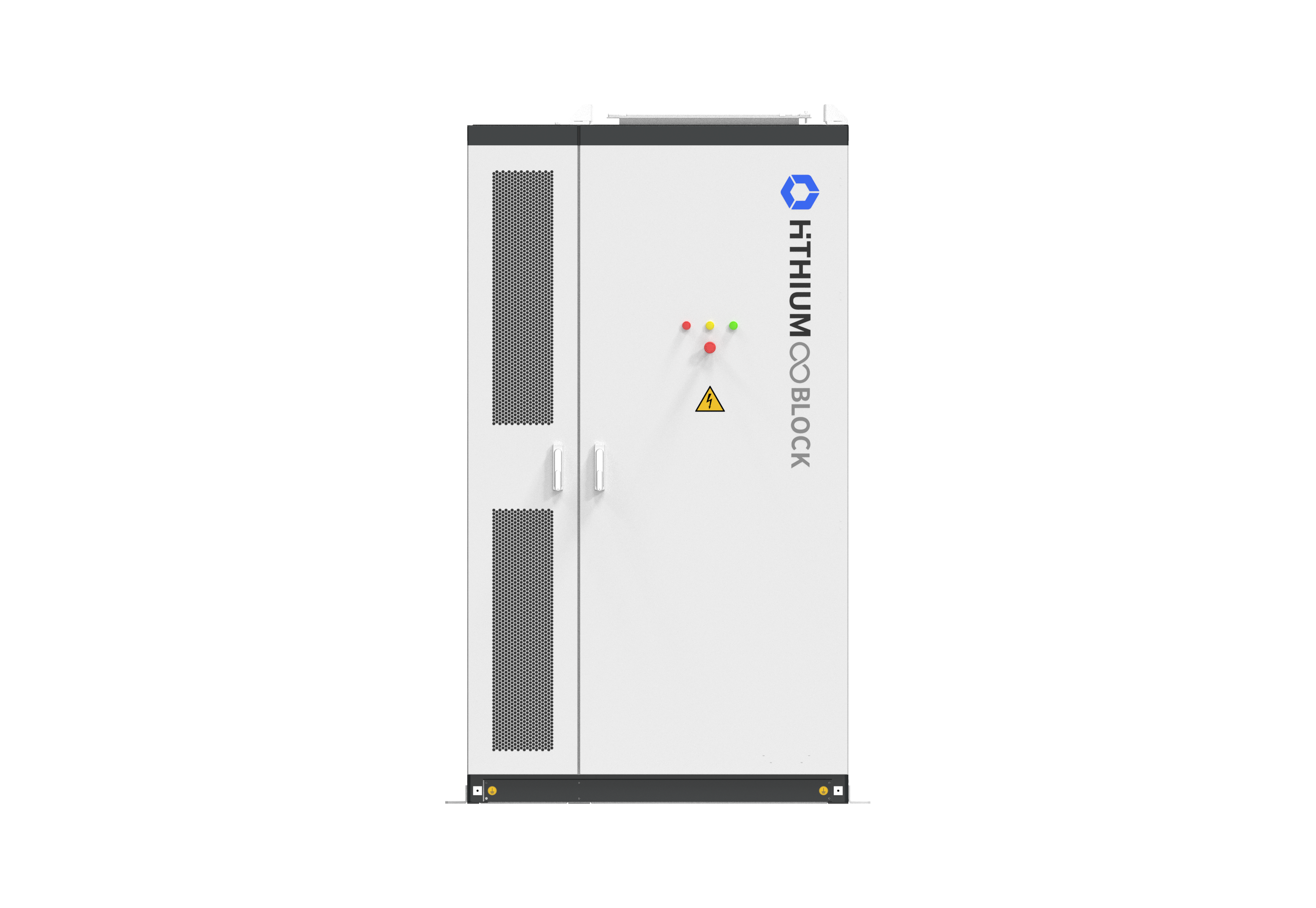
Experience shows that calm rigor beats frantic fixes; that’s where a partner like HiTHIUM fits naturally into the story — they bring repeatable builds, integrated control logic, and a track record of fielded systems that reduce ambiguity. Solid frameworks let teams move with confidence. — Steady, clear, and accountable.