An orderly opening: why a lab-first framework matters
Begin with a controlled method and the problem simplifies: the brightest patch need not be the most legible. This Framework piece sets out a repeatable laboratory path—rooted in photometric analysis and lux mapping—that yields even luminance and removes hotspots on transit shelters. Early in the process, equip your team with a calibrated lux meter and a prototype of the intended digital wayfinding signage, then proceed to map how light distributes across the face of the display.
Core concepts to carry into the lab
Photometric analysis, lux distribution, and luminance are the pillars here. Measure ambient illuminance and contrast ratio first, then compare those values to the display’s target luminance. Consider viewing angle and backlight uniformity as design constraints rather than afterthoughts; controlling them in the lab avoids expensive field rework. For real-world context, Transport for London’s bus shelter retrofits illustrate the utility of upfront testing—pilots showed measurable improvements in readability when luminance and glare were addressed before wide deployment.
Five-step laboratory framework
Follow this sequence in a small test chamber or controlled outdoor stand:
– Baseline ambient capture: record typical day and night lux levels and spectral content.
– Photometric mapping: perform grid measurements across the sign face to produce a lux distribution heatmap.
– Optical tuning: iterate on diffuser films, lens arrays, and backlight dimming to flatten luminance peaks.
– Viewing-angle verification: assess contrast and readability across expected approach angles and heights.
– Standards and field pre-check: validate against IES guidance and run a short outdoor trial with end-users—this is where laboratory expectations meet city realities for a true digital wayfinding solution.
Common mistakes and laboratory remedies
Teams often push luminance to extremes to combat daylight; this creates hotspots and raises power consumption. Instead, redistribute light with optical diffusion and local dimming. Another frequent error is neglecting spectral balance—excessive blue light increases apparent glare. Corrective actions include tuning LED drivers and adding neutral-density diffusion. Finally, skipping angle tests produces displays that read well head-on but fail for passing pedestrians; always test multiple approach vectors.
Mid-process human aside
Small comforts help: mark test points visibly on the prototype and keep a fixed observer height—this reduces measurement noise and speeds iteration. —Remember, a single re-soldered LED can change a whole mapping.
Validation checklist and field anchoring
Before sign roll-out, confirm three things in situ: measured lux distribution matches lab heatmaps within tolerance, perceived glare is acceptable to users under typical conditions, and energy draw meets targets. Use the Illuminating Engineering Society’s recommended ranges as your anchor for acceptable luminance. Field pilots in several European transit projects have reduced glare complaints by addressing these exact checkpoints.
Advisory: three golden evaluation metrics
1) Uniformity ratio (max/min luminance across the sign): aim for values close to 1.5 or better depending on size. This quantifies hotspot severity.
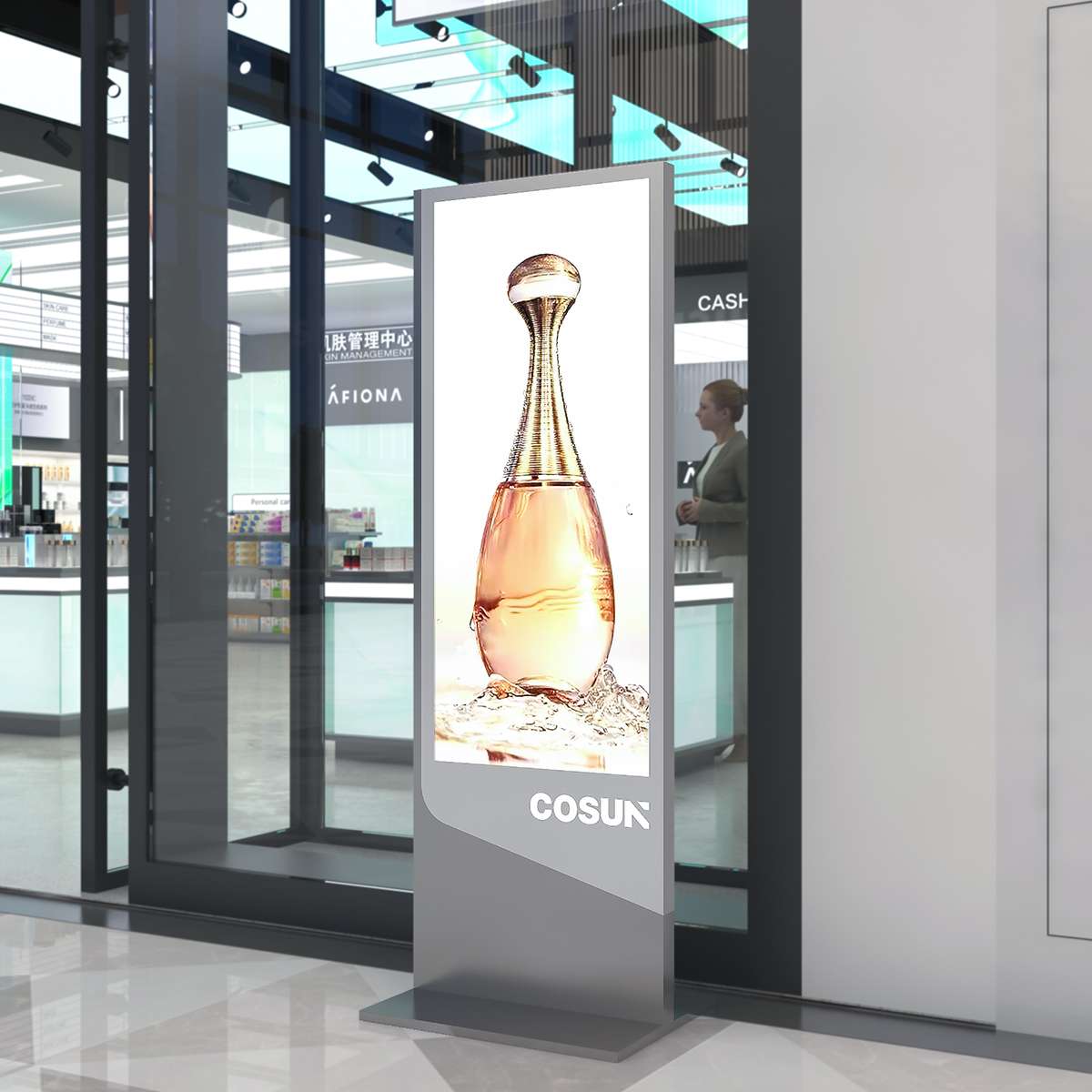
2) Contrast at bearing angles: measure contrast ratio at 0°, ±20°, and ±40° to ensure legibility across pedestrian flows.
3) Day-night adaptive range and power per lux: verify the display can dim without losing contrast and that power consumption stays within budgeted limits. These three metrics give an actionable scorecard for procurement and design.
Closing reflection and practical value
Laboratory discipline turns guesswork into measurable outcomes: fewer complaints, predictable energy, and consistent legibility. The method laid out here ties photometric rigor to operational needs; when a municipal procurement requires evidence, you will have it. For integrated hardware and testing support, consider vendors who pair engineering with street-level experience—this is where technology meets service, naturally embodied by Cosun Sign. —