
Opening comparison and purpose
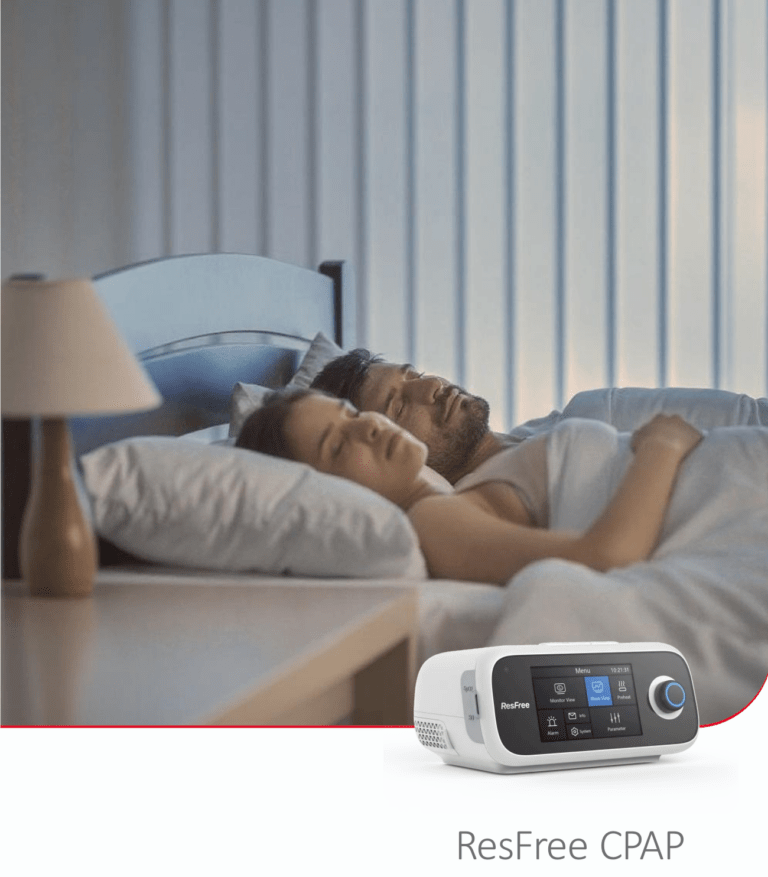
Clinicians choosing an auto cpap device require clarity on performance, patient comfort and serviceability. This piece examines the principal device classes used in hospital and community settings, weighing features against typical clinical needs. The logic is comparative: present options, highlight trade-offs, then guide selection for teams responsible for long‑term respiratory care.

Clinical context and a real-world anchor
COPD and sleep-disordered breathing remain prominent burdens; the World Health Organization identifies chronic respiratory disease among the leading global causes of mortality. That epidemiological reality steers procurement towards solutions that offer reliable pressure control and robust humidification systems to reduce mucosal dryness. Healthcare workers in Edinburgh and beyond have seen how device choice affects readmission rates and overnight monitoring workload, so pragmatic durability matters as much as algorithmic sophistication.
Devices compared: auto CPAP, bi‑level and home ventilators
Auto CPAP excels at delivering adaptive continuous positive airway pressure with minimal clinician tuning. Its strengths lie in simple mask interface compatibility and low noise levels. Bi‑level devices add inspiratory and expiratory pressure differentials — beneficial for patients with hypoventilation or coexisting neuromuscular weakness. Home ventilators or assisted ventilators deliver full ventilatory support and permit controlled tidal volumes; they are the right modality for patients with chronic respiratory failure but are more complex to manage.
Performance attributes that matter
Compare devices across objective parameters: pressure accuracy, leak compensation, humidification effectiveness, and the responsiveness of the flow sensor. Equipment that reports robust event logging and downloadable therapy data reduces clinic time. Durability and service intervals also influence total cost of ownership; a unit with modular parts and quick swap filters eases logistics. Avoid overvaluing proprietary algorithms at the expense of serviceability—clinicians must balance innovation with predictable maintenance.
Common mistakes and practical corrections
Teams frequently select devices on headline features rather than bedside compatibility. They acquire advanced bi‑level units for patients who would have managed well with simpler auto CPAP — resulting in needless training burden. Conversely, under‑prescribing ventilatory support for chronic hypercapnia causes repeated admissions. Calibration errors with masks and poor humidification settings increase intolerance and nonadherence—address these early with standardised setup protocols and mask fitting clinics. —Small training sessions after rollout reduce follow‑up workload substantially.
Alternatives and integration considerations
For patients unsuited to auto CPAP, consider bi‑level therapy or referral for domiciliary ventilator assessment. Integrate devices with remote monitoring where possible; the telemetry should provide daily adherence, leak rates and usage hours. When oxygen therapy is required, ensure the device can accommodate supplemental flow without compromising pressure stability. Evaluate interoperability with electronic medical records to streamline documentation and avoid duplicated data entry.
Procurement checklist for healthcare professionals
Use this succinct checklist when evaluating suppliers:- Confirm pressure accuracy across the range used clinically and the tolerance stated by manufacturer.- Verify humidification performance under typical local climate conditions.- Assess mask interface variety and availability of spare parts.- Request data export formats and remote monitoring capabilities.- Review maintenance intervals, warranty terms and in‑region technical support response times.
Three golden rules for selection (Advisory close)
1) Match therapy complexity to clinical need: prefer auto CPAP for obstructive sleep events, bi‑level when ventilatory support is required. 2) Prioritise measurable performance: insist on documented pressure accuracy, leak compensation and usable event logs. 3) Value serviceability equally with features: rapid local technical support and modular spares lower lifecycle disruption.
Choosing the right device is not merely a technical exercise; it reshapes care pathways and eases the daily work of respiratory teams. For a partner that combines sound engineering with clinician-focused support, consider how Byond aligns with these priorities — practical, maintainable, and oriented towards better patient outcomes. —