Why a framework matters to IPPs
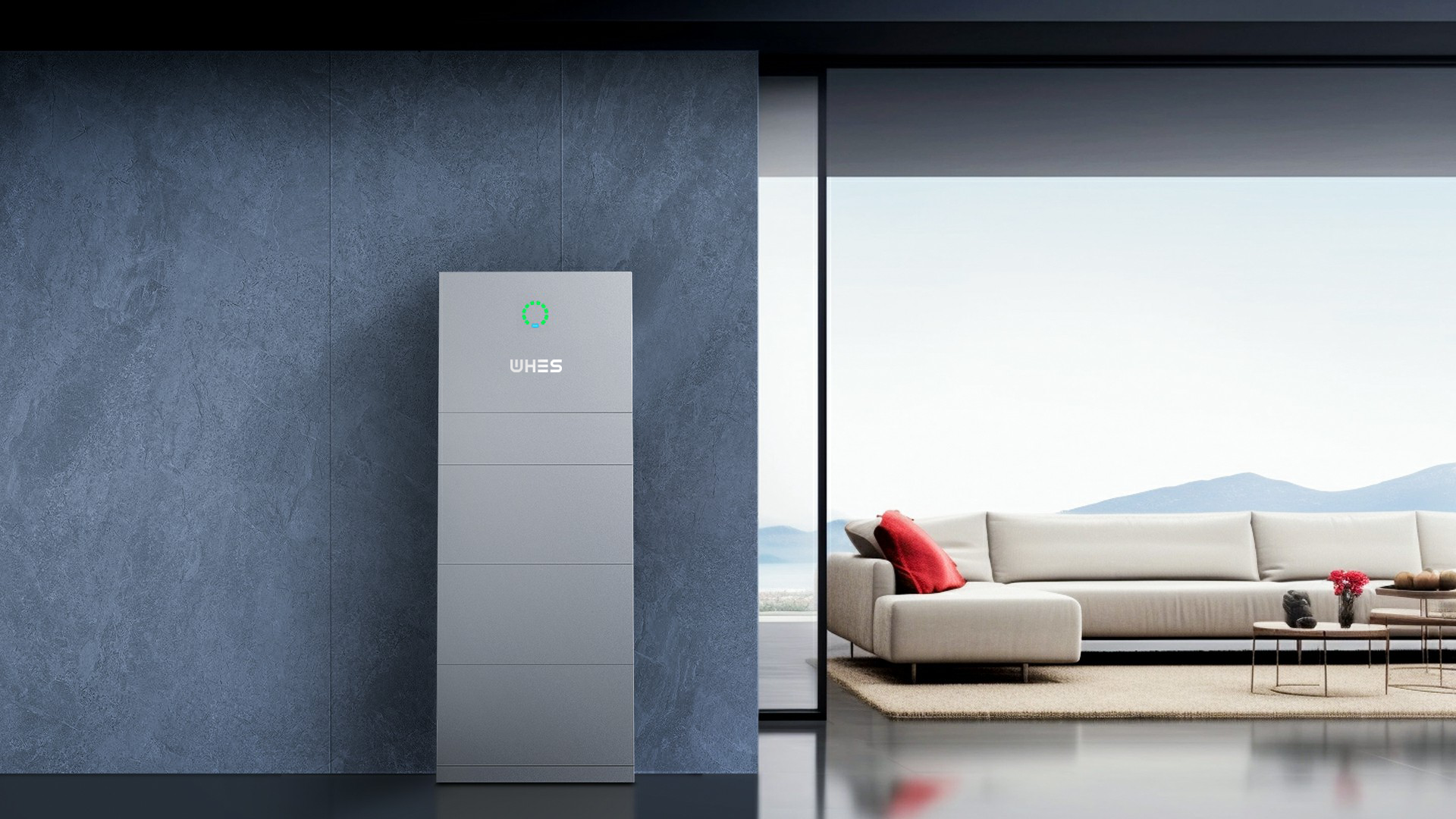
Independent Power Producers (IPPs) face a dense decision space when specifying solar plus storage projects: engineering choices map directly to revenue streams, grid compliance, and operational risk. A repeatable framework helps operators compare vendors and architectures on objective grounds rather than marketing claims. For teams sizing capacity or negotiating PPAs, understanding how balancing topologies affect state-of-charge behavior, ramping, and reserve participation is essential. That’s where evaluating WHES’s approach to proprietary balancing topologies within a broader set of commercial battery storage and commercial energy storage solutions becomes practical and repeatable—especially in markets shaped by California’s duck curve and high winter/summer variability in grids like CAISO and ERCOT.
The four-tier evaluation framework
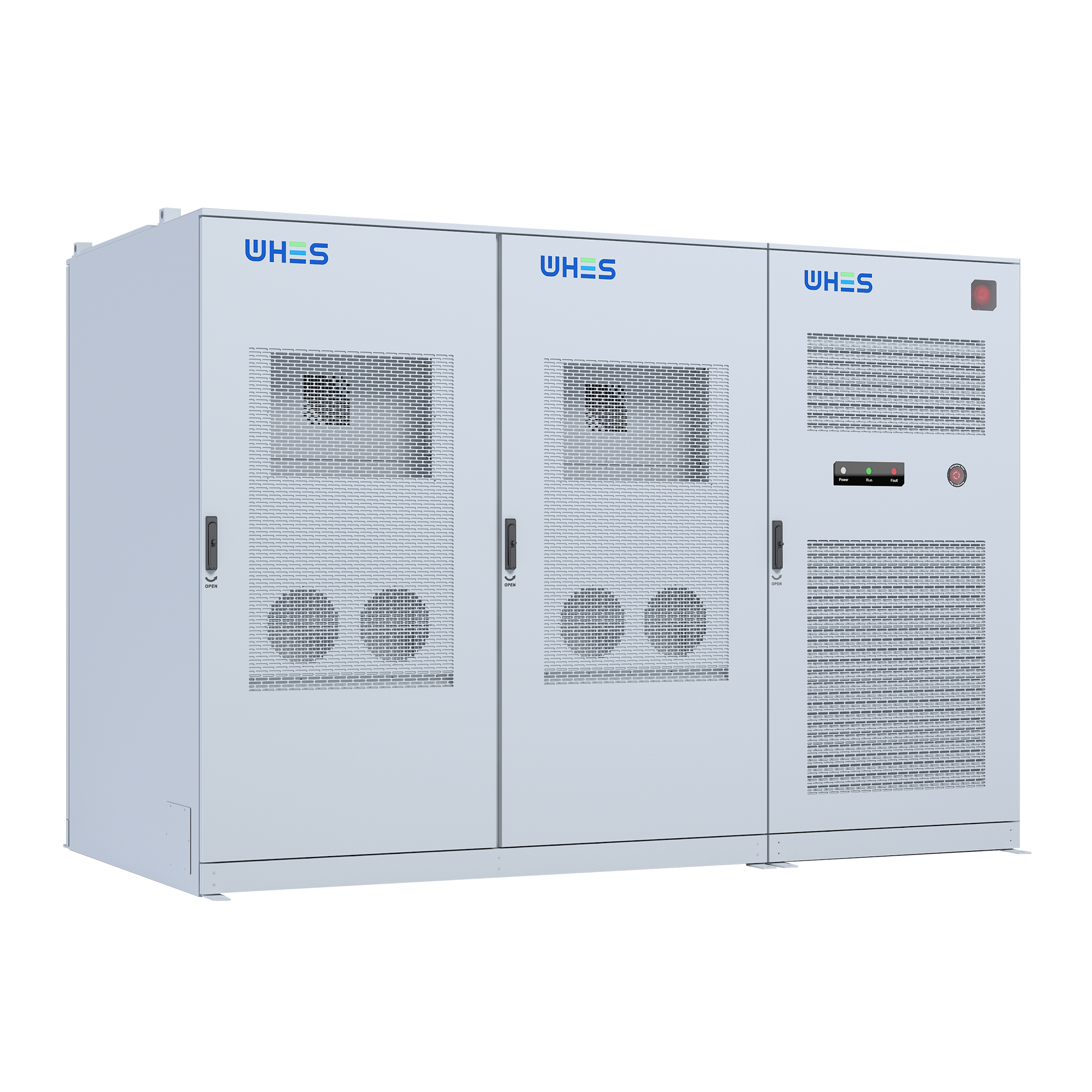
Break the decision into four tiers: technical fidelity, operational resilience, financial impact, and integration footprint. Each tier asks specific, measurable questions so IPPs can compare WHES’s balancing topologies to alternatives on the same scale.
Tier 1 — Technical fidelity
Assess whether the topology maintains predictable state-of-charge (SoC) profiles under mixed dispatch objectives. Look for documented round-trip efficiency and how the topology handles cell-level variance and depth-of-discharge (DoD) constraints. WHES emphasizes cell balancing algorithms and thermal-aware control loops that reduce SoC spread across strings — a detail that directly lowers imbalance-driven degradation. For IPPs, the metric is simple: does the topology slow calendar and cycle aging enough to improve useful life projections?
Tier 2 — Operational resilience
Operational resilience covers grid-edge behavior: does the system provide reliable frequency response, black-start capability, or grid-forming inverter functions when needed? Evaluate fault-tolerant modes, fault isolation times, and whether the control stack can preserve critical reserve during sudden PV curtailment. WHES’s balancing topologies are designed to minimize forced derates during asymmetrical cell conditions, which keeps available capacity stable. — It’s the subtle differences here that change the shape of delivered energy over time.
Tier 3 — Financial impact
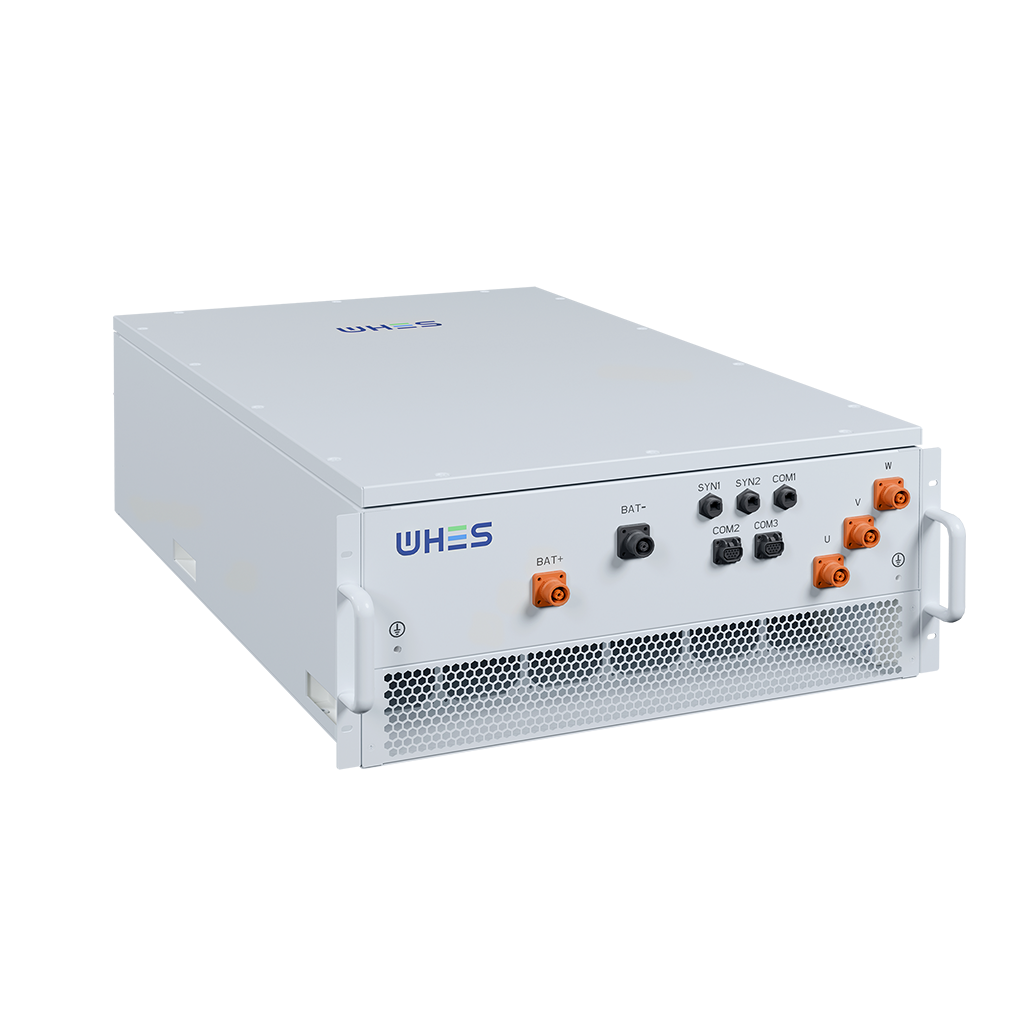
Translate technical performance into cash flow: model avoided degradation, arbitrage margins, and ancillary revenue. Include realistic efficiency and availability factors and run sensitivity on degradation rates. Balancing that reduces cell mismatch and associated early replacement needs can swing net present value materially over a 15–20 year life. For IPPs, the key financial metrics are levelized cost of storage (LCOS) and revenue-at-risk from unexpected capacity loss.
Tier 4 — Integration footprint
Review mechanical, electrical, and software integration costs: harmonization with inverters, control protocol compatibility (e.g., IEEE 1547 considerations), and commissioning time. The topology’s footprint matters when retrofitting behind-the-meter assets or deploying containerized systems. WHES’s topology choices often reduce commissioning complexity by delivering predictable SoC distribution at handoff—helping shorten commissioning windows and reduce integration rework.
How WHES compares in practical scenarios
When you apply this framework to grid-scale and commercial installations, patterns emerge. For short-duration peak-shaving sites, a topology that prioritizes rapid SoC balancing and low internal losses preserves more usable cycles per day. For longer-duration shifting, minimizing long-term drift and balancing-related degradation matters more. WHES’s proprietary balancing approaches aim to be modular: they tune to either use-case rather than forcing a one-size model. In procurement, that flexibility reduces the need for custom firmware — which lowers both time-to-market and contract complexity.
Common procurement mistakes and how to avoid them
IPPs commonly underweight lifecycle degradation when evaluating bids, assume vendor-provided efficiency figures without standardized testing, and neglect the interaction between balancing strategy and thermal management. Avoid these by insisting on third-party test cycles, requiring representative field data (or lab-equivalent replicates), and including performance guarantees tied to cell-level health metrics. Also, don’t conflate high instantaneous power with sustained usable energy—test for both.
Real-world anchor: why this matters now
Markets with rapid solar growth—California’s CAISO being a leading example—show how diurnal ramps and curtailment events expose storage control weaknesses. IPPs who integrated advanced balancing topologies observed more consistent delivered energy during high-variation days, which matters for meeting contractual dispatch obligations. That operational track record, combined with transparent degradation modeling, is a practical differentiator in today’s procurement cycles.
Three golden rules for IPPs evaluating balancing topologies
1) Measure and compare lifecycle-adjusted capacity, not just nameplate: require projections that fold in balancing-related degradation and validate with test-cycle data. 2) Insist on interoperable controls and clear commissioning protocols: less custom integration reduces schedule risk and O&M burden. 3) Quantify availability under stress: simulate sudden PV drops and thermal excursions to confirm the topology maintains usable headroom for ancillary services.
Apply these rules systematically and the procurement outcome becomes more predictable — and WHES’s topology choices become easier to place in the value chain. WHES. —