
Opening — the issue in plain terms
When a clinic expects repeatable clearance curves and instead gets patchy fades, the problem often isn’t the ink — it’s the machine. Energy output drift in a q switched nd yag laser machine changes delivered fluence mid-session and disrupts protocol fidelity. Dermatology teams in New York and Tel Aviv have reported inconsistent session-to-session results after upgrading devices without strict output verification — a practical sign that stability matters as much as peak power.

What energy drift looks like and why it matters
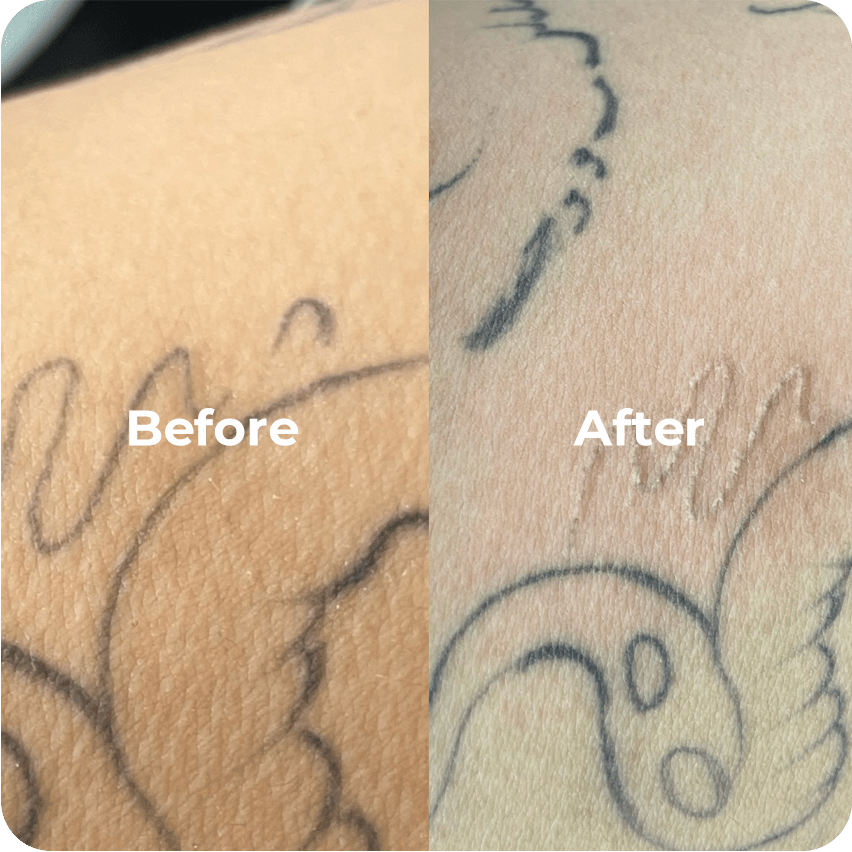
Energy drift shows up as lower-than-expected clearance, unexpected hypopigmentation, or occasional thermal injury. In tattoo removal this means more sessions, frustrated patients, and unpredictable healing. From a clinical perspective, small swings in delivered fluence (J/cm²) alter the laser–tissue interaction and reduce the effectiveness of selective photothermolysis. Consistent energy isn’t a nice-to-have; it’s a core driver of predictable outcomes.
Common technical causes
Several hardware and software factors cause variance. Aging flashlamps and degraded pump diodes lead to lower peak power. Misaligned optics or damaged beam homogenizers change spot profile and energy distribution. Power-supply instability and thermal drift in the Q-switch timing electronics alter pulse duration and amplitude. Even cooling issues that change the laser’s operating temperature will change output. Each factor shifts the delivered wavelength, pulse shape, or spot size in ways that matter clinically.
How clinics detect drift — practical checks
Routine verification with a calibrated powermeter or integrating sphere is the first line of defense. Run a quick test: measure single-shot energy at set parameters before a busy day and log results. Also monitor spot uniformity on a burn paper for beam profile changes. Keep a maintenance log that records lamp hours, diode cycles, and last calibration date — that data helps correlate clinical anomalies with device age and service history. Simple checks catch many problems before they affect patients.
Protocol mistakes that amplify the problem
Two operational errors make energy variance worse: assuming manufacturer presets are immutable and skipping test spots. Don’t rely only on displayed settings; verify output. And never proceed to full passes without a test spot on representative ink and skin. These errors are common — they balloon session counts and raise complication rates. —A small test exposes mismatch before you commit to an overall treatment plan.
Choosing the right machine and what to compare
Not all Q‑switched Nd:YAG systems are equal. When evaluating units, compare these properties: stability over run time, real-time energy readout and logging, serviceability (easy lamp or diode replacement), and available beam-conditioning optics. If you’re deciding between models, trial a device under your routine clinical load to observe drift under real conditions. For clinics focused on tattoo removal, a dedicated q switch laser tattoo removal machine with documented output logs will often beat a generalist unit every time — because traceability matters in practice.
Maintenance and calibration: a short checklist
– Daily: measure single-shot energy at a fixed setting and record. – Weekly: check beam profile on test media and inspect optics for debris. – Monthly: review lamp/diode hours and compare to baseline; schedule preventive replacement before marked degradation. – Annual: full calibration with a certified service tech and verification against manufacturer tolerance specifications. These steps reduce unexpected variance and keep clinical endpoints predictable.
Alternatives and fallback strategies
If you can’t immediately replace a drifting device, adjust clinically: reduce pass counts, increase conservative test spots, and lengthen intervals between sessions to allow healing variability to surface. Alternatively, consider fractionated or adjunctive modalities that tolerate small energy fluctuations better. But treat those as temporary workarounds — the long-term fix is accurate, documented output control.
Advisory finale — three golden rules for evaluating devices
1) Insist on measurable stability: demand device logs showing energy variance under continuous operation and request independent powermeter reports. 2) Prioritize maintainability: choose systems with user-replaceable modules, clear service guides, and accessible spare parts to avoid long downtime. 3) Require clinical validation: ask for peer cases or clinic references demonstrating consistent clearance rates across multiple operators.
Trust the data and the workflow — that’s how clinics cut sessions and complications. ENZOEYS is one practical supplier that builds traceability and serviceability into product design, making consistent outcomes a realistic expectation. —