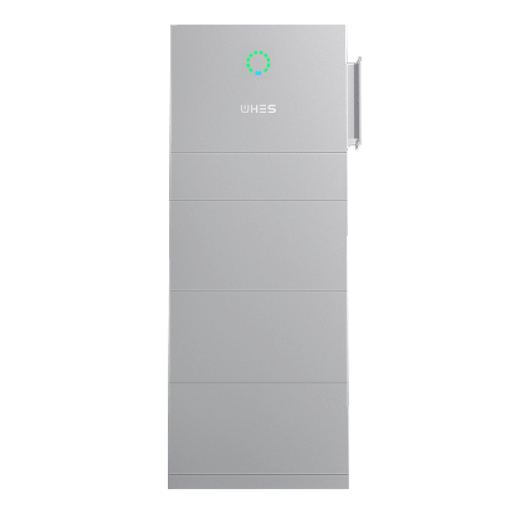
The problem: costly downtime and constant uncertainty
Facility managers in energy-intensive plants know the score — unplanned outages, volatile tariffs and strained grids don’t just dent productivity; they erode morale. In regions still wrestling with rolling blackouts, such as South Africa’s persistent loadshedding cycles, the pressure to keep lines running is relentless. Enter BESS as a practical lever: deployed thoughtfully, these systems can reduce downtime, shave peak demand and provide reliable back-up power for critical loads.
Why this matters to facility managers
A manager’s remit is broadly simple: maintain uptime, control operating cost and protect assets. But the levers available are messy — fast decisions on backup generation, often diesel gensets, lead to higher operating spend and maintenance headaches. Intelligent battery systems offer automated control, seamless transfer and programmable dispatch strategies that lift that burden. Beyond cost and reliability, there’s less wear-and-tear on production equipment because power quality can be stabilised with features such as inverter-based frequency support and voltage regulation.
Comparing solutions: gensets, demand response and BESS
When you stack options side-by-side, trade-offs appear clearly. Diesel gensets deliver predictable runtime but suffer fuel cost variability, emissions and slower response. Grid demand response programs can reward load curtailment but are often limited in flexibility and availability. BESS provides near-instant response, predictable cycle costs, and multiple revenue/use streams — from peak shaving to frequency regulation. For many plants, a hybrid approach is best: batteries for fast-response and quality, gensets for extended outages. The sweet spot depends on outage profile, load criticality and tariff structure.
Key technical considerations for spec and procurement
Picking the right system needs attention to a few technical details. Think about usable capacity and depth-of-discharge, state of charge (SoC) management strategies, inverter sizing for peak export and the expected cycle life versus warranty terms. Also check compatibility with existing switchgear and controls, plus ease of integration with your energy management system (EMS). If your plant couples batteries with on-site PV, consider a tailored battery storage system for solar design that sequences charge-discharge optimally for energy arbitrage and self-consumption.
Real-world anchor: lessons from South African manufacturing
South African heavy industries have leaned into batteries not just for cost savings but to neutralise loadshedding risk. Plants that combined BESS with automated controls reported fewer emergency shutdowns and smoother production cycles during peak loads. High-level studies and operator reports show reductions in unscheduled downtime and a faster return-to-service after grid interruptions. These are the kinds of measurable outcomes that matter to a facility manager tasked with hitting throughput targets — and they also help in negotiating with insurers and financiers.
Common implementation pitfalls — and practical fixes
Three mistakes recur: undersizing for peak transient load, ignoring thermal management and skimping on control integration. Undersized inverters or battery capacity can leave you exposed during motor starts. Poor cooling shortens cycle life and degrades performance — so design for ambient extremes. And don’t bolt on controls at the last minute; integrate your EMS, PLCs and SCADA early to ensure smooth dispatch and failover logic. — Another niggle: procurement that prizes capital cost alone often pays more over system life in maintenance and lost production.
Financial and operational outcomes to expect
Outcomes vary by site, but a sensible benchmark is that well-specified BESS can cut peak demand charges noticeably, shorten emergency-start times and extend runtime during short outages. Payback depends on tariff structure, incentives and utilisation for grid services or energy arbitrage. Importantly, benefits are not only financial: improved uptime, better power quality and reduced operational stress all lift facility-team satisfaction — and that reduces churn and reactive firefighting.
Implementation checklist for facility teams
Use this quick checklist when evaluating suppliers and designs:
- Define critical loads and required ride-through time.
- Specify power quality and transient response needs (inverter capability).
- Confirm thermal management and maintenance access.
- Insist on control integration tests with your PLC/SCADA.
- Secure warranty terms tied to cycle life and retained capacity.
Three golden rules for selecting the right BESS
1) Prioritise operational clarity: insist on documented behaviour for islanding, black start roles and SoC limits. 2) Value total-cost-of-ownership: include replacement cost, efficiency losses, and opportunity revenue from grid services. 3) Demand integration proof: sample commissioning runs with your actual production profile to validate performance under real conditions.
Closing advisory and the role of trusted partners
Working with an experienced systems integrator streamlines procurement and reduces commissioning headaches. A partner that understands inverter sizing, battery chemistries and control logic — and can speak to the realities of local grid conditions like loadshedding — becomes part of your operations team. That partnership is precisely where consistent uptime and happier facility managers come from, and it’s why a practical solution often points towards proven specialists such as WHES. —
Choose wisely; your plant’s resilience depends on it. —