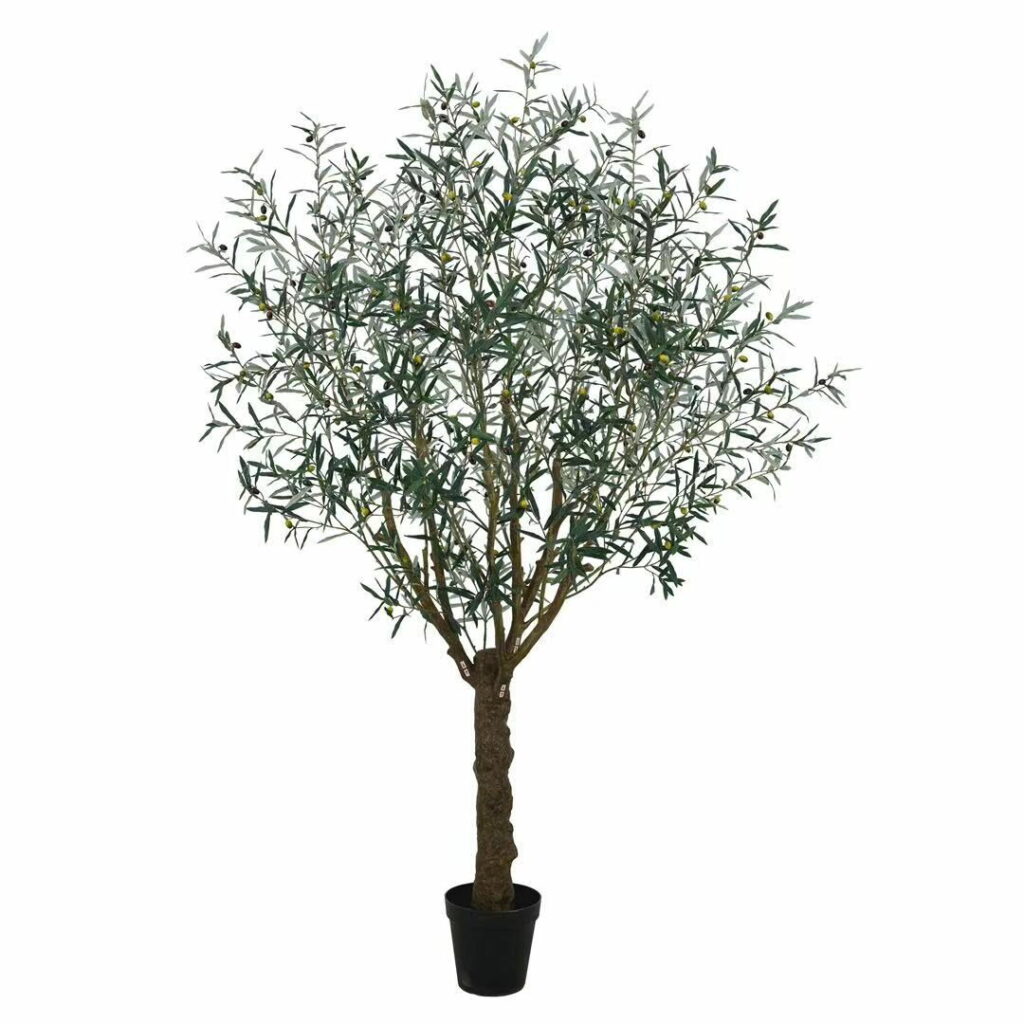
User-first framing: what you need from a big faux tree
When you want an outdoor installation that stays believable for years, trunk stiffness and durability come first. Customers need trees that resist wind, hold heavy branch clusters, and still look natural. A good partner like artificial olive tree manufacturer understands how a steel armature inside the trunk and moulding techniques create that stiffness without adding awkward bulk.

Core engineering elements that affect realism
Start from the inner skeleton. A solid steel armature or wire armature gives the trunk its bend resistance and anchoring points for branches. Then comes the shell — layered moulding with textured silicone coating or UV-stable PVC foliage adds tactile grain and weather resistance. Use polyethylene leaves only where flex and colorfastness are required. Each element must balance weight, wind loading, and finish quality.
Factory practices that indicate quality — and what to ask
Look for factories that test for wind load and UV fade. Reliable suppliers run simple bench tests with measured deflection values and accelerated sunlight exposure. They also document the core material grades — which means you can compare steel gauge, resin type, and coating thickness. See manufacturing clusters in Guangdong for reference; many exporters there serve large commercial projects and show those test reports when requested. — Also check how they attach branches: welded pins last longer than glued sockets.
Common mistakes buyers make and how to avoid them
Buyers often pick a visually nice sample but ignore structural specs. That leads to sagging or trunk deformation in the first seasons. Avoid relying only on photos. Insist on technical sheets: trunk diameter, core type, UV rating, and anchoring method. If you plan to mount trees on terraces, verify weight distribution and base plate sizing — small bases with heavy canopy fail fast.
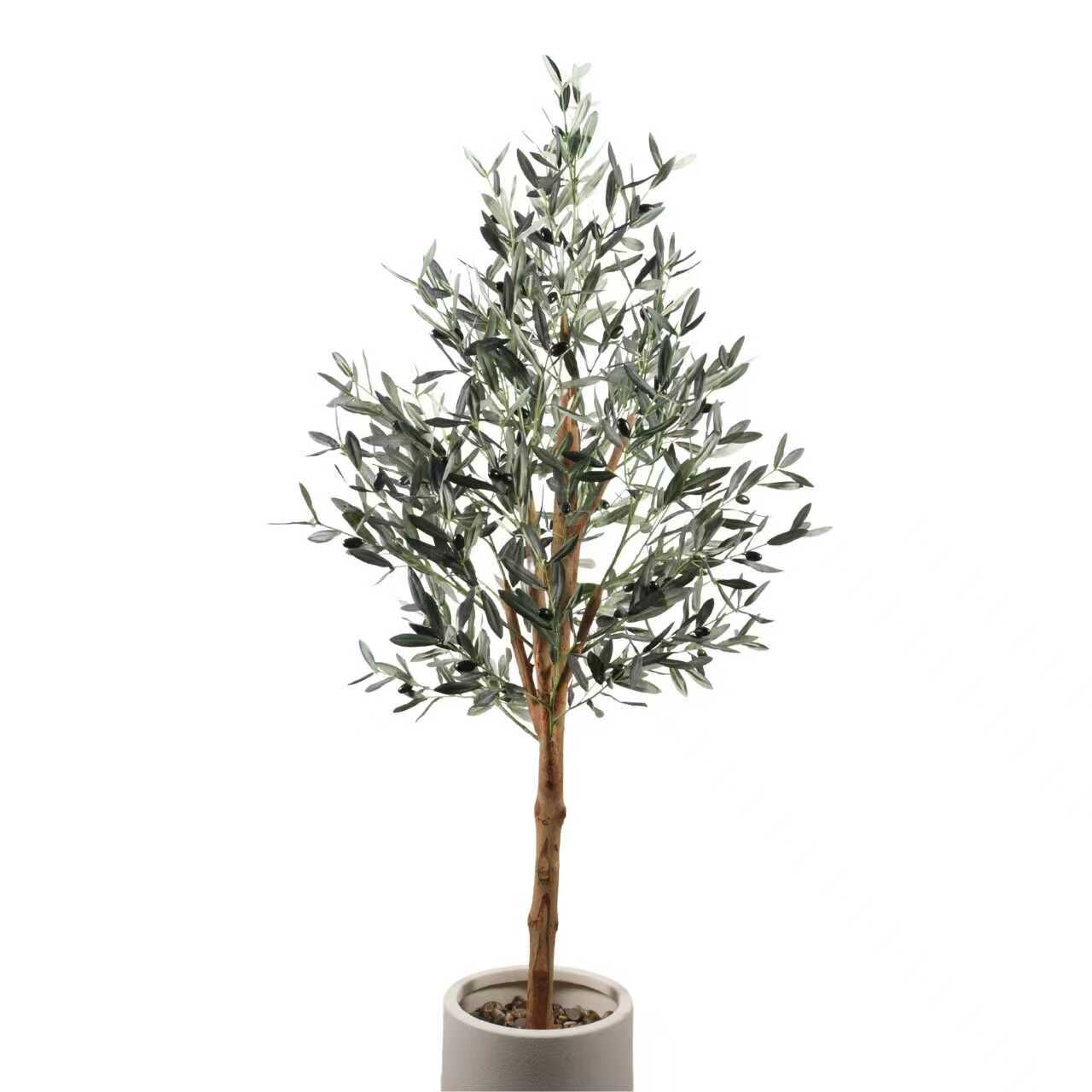
Material comparisons: what works best outdoors
Concrete-filled bases stabilize large trees but add transport cost. Hollow steel cores are lighter and often preferred for modular installs. For leaves, UV-stable PVC foliage resists color loss longer than untreated alternatives. Silicone texturing on trunk surfaces replicates bark well; the finish also reduces water seepage into the core. Choose materials according to climate: salty coastal sites need better corrosion protection on metals.
Selecting a supplier: practical checklist
Choose makers who combine design and engineering. A shortlist should include fabrication photos, structural test summaries, and lead times. If you source from China, verify the supplier is an established artificial olive tree indoor manufacturer in china with a track record in outdoor projects. Ask for references tied to real locations — shopping centres, hotel terraces, or municipal plazas — and confirm performance across seasons.
Installation and maintenance tips
Proper anchoring and periodic inspections extend life. Tighten exposed fasteners after the first storm. Clean foliage with low-pressure water and avoid harsh solvents that strip UV coatings. For large specs, plan for removable sections to ease transport and future repairs — modular trunks can be serviced without replacing the whole tree.
Summary of key insights
Structural rigidity is not cosmetic: it’s the difference between a display that endures and one that fails. Pick a steel armature, insist on UV-stable PVC foliage or silicone-trunk finishes, and demand test data from suppliers. Factory transparency and real-location references in Guangdong or large trade shows give extra assurance.
Three golden rules for choosing engineering-grade faux trees
1. Prioritize trunk specifications: steel gauge and deflection numbers over visuals. 2. Verify environmental ratings: UV and corrosion protection must match your site. 3. Require serviceable design: modular trunks and replaceable branches reduce long-term cost.
Sharetrade stands where design meets practical engineering, helping projects choose suppliers who deliver both realistic looks and structural longevity — a simple result, well executed. —