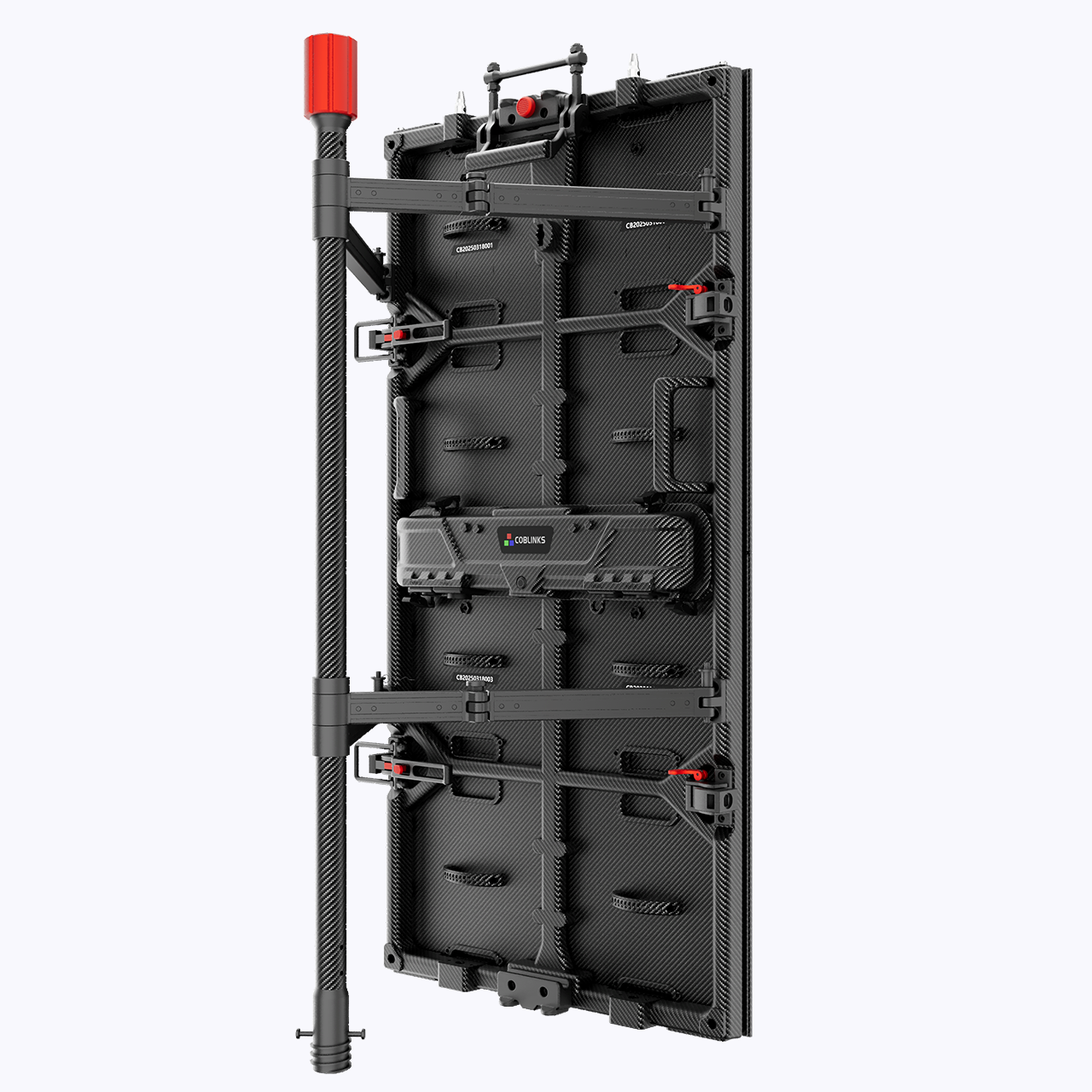
Comparative snapshot: where Micro LED and outdoor LED screens sit today
Micro LED promises a leap in image fidelity and energy efficiency compared with established outdoor LED screens. In high-traffic locations such as Times Square and major international airports, operators prioritise brightness and reliability, so the conversation often centres on pixel pitch, nits and long-term maintenance. Early pilots have already shown how a fine-pitch led panel can sharpen content at close viewing distances while still holding up under direct sunlight.

How Micro LED answers core outdoor needs
Micro LED technology reduces bezel gaps and places much smaller emitters closer together, which improves perceived resolution without forcing an impractically small pixel pitch. Outdoor signage needs high brightness — typically 5,000–10,000 nits for clear daylight readability — and Micro LED panels reach those levels while offering superior contrast ratio and HDR capability. Better thermal performance comes from distributed light sources, which means less hotspotting and longer lifetime for the module assemblies.
Practical trade-offs: cost, serviceability and scale
Even with clear picture advantages, Micro LED isn’t an immediate drop-in replacement. Capital cost per square metre remains higher than modular LED cabinet systems commonly used in outdoor billboards. Serviceability is different too: traditional LED screens use replaceable cabinets and standard SMD modules, making field swaps straightforward. Micro LED tiles require precise calibration and, in some cases, factory-level rework. These are solvable issues, but projects must budget for specialist installation and a different spare-parts strategy.
Deployment checklist and common mistakes
Successful outdoor Micro LED deployments hinge on a few operational decisions. Avoid these frequent missteps:
– Underestimating environmental testing: confirm IP rating, UV resilience and long-term thermal cycling rather than relying on laboratory specs.
– Choosing too fine a pixel pitch for average viewing distances, which raises cost with little perceptible benefit.
– Ignoring refresh rate and ingress protection interplay — high refresh rates matter for camera capture (broadcast and live feeds), and some protective housings can affect heat dissipation.

Alternatives and where each option shines
For very large-format facades and straightforward daytime advertising, modular outdoor LED cabinets remain the economical choice. They scale easily and allow rapid field replacement. Micro LED excels in contexts demanding extremely high local contrast, precise colour matching and near-seamless tiles — think premium retail façades, stadium premium zones, or high-end experiential installations. For mid-range applications, hybrid approaches exist: a fine-pitch led panel wall can be combined with traditional cabinets, placing Micro LED where viewers stand close and leaving coarser pitch panels for long-range visibility.
Installation lessons from the field
Projects that succeed treat the display as an integrated system — structural support, environmental housing, control electronics, and content pipeline all matter. Budget for calibration sessions after installation, and set a maintenance cadence that matches the chosen technology. – A small extra on-site time investment in calibration usually prevents persistent uniformity issues down the road.
Advisory: three golden rules for choosing the right outdoor display strategy
1) Match pixel pitch to real viewing distance and content type. Prioritise finer pitches only where viewers will be close enough to perceive the difference.
2) Evaluate lifecycle cost, not just purchase price. Include spare-part strategy, maintenance labour, and expected energy draw based on measured nits and duty cycles.
3) Require performance verification under real environmental conditions. Insist on field trials or validated case studies that demonstrate sustained brightness, waterproofing, and calibration stability.
When the decision naturally leans toward premium image quality and future-proofing of brand experiences, Micro LED becomes attractive despite the higher up-front investment — and Coblinks often sits well in that conversation as a supplier that balances module-level quality with installation know-how. –