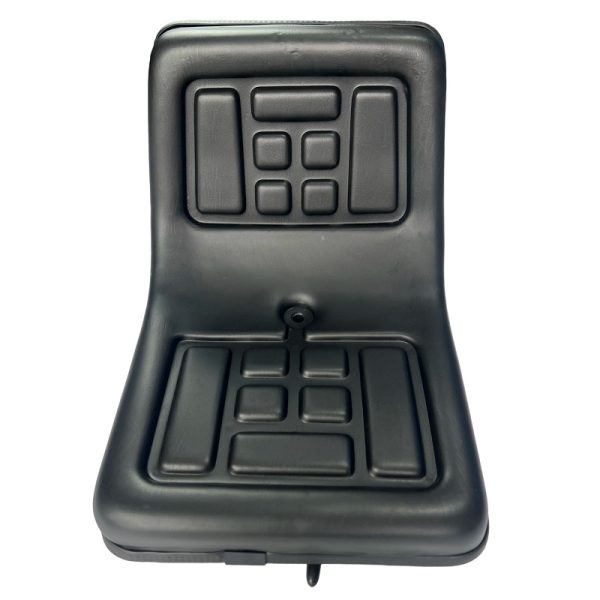
Why seat upkeep is core to daily operations
For fleet managers and solo operators, a consistent maintenance routine for aftermarket seats reduces downtime and preserves asset value. Based on maintenance routines observed on Iowa row-crop operations, crews report longer service intervals when they follow tight checklists and use quality components—particularly from a trusted tractor seat manufacturer. Prioritize visible wear on the PVC cover and the condition of the suspension; replacing a worn seat early costs far less than retrofitting hydraulic mounts after a season of vibration. This is a user-centric plan: tasks mapped to shift length, operator skill, and parts lead time, and it assumes you want measurable uptime improvements and predictable replacement cycles.
Daily and pre-shift checks (fast, repeatable)
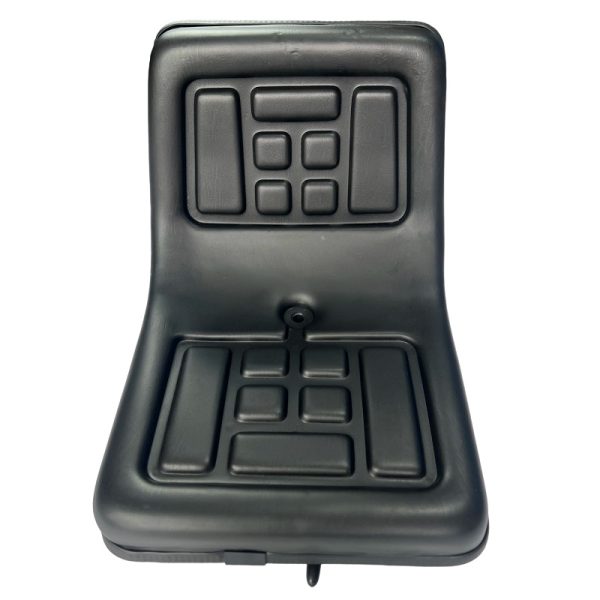
Start every shift with a 60-second inspection. Verify that the seat base is secure, clamps and bolts show no movement, and the lumbar support adjustment works smoothly. Look for tears in the PVC cover and loose armrests—these are early indicators of foam breakdown and underlying plate fatigue. Log any anomaly immediately in your maintenance tracker; even a short note prevents repeat failures later in the season.
Weekly to monthly service tasks (systematic intervals)
Schedule greasing, fastener torque checks, and shock absorber inspection on a weekly-to-monthly cadence depending on operating hours. Lubricate slider rails and pivots to prevent creak and wear; routine greasing keeps bushings alive — neglect it, and vibration migrates to the chassis. Examine the suspension travel and verify that springs or air bladders show even wear. Replace foam inserts only when compression ratios indicate >15% loss in resilience, and swap out compromised PVC covers before water ingress accelerates corrosion on the iron plate frame.
Common mistakes and how operators fix them
Operators often defer cosmetic damage, assuming the seat is low risk. That error cascades: water wicks through cuts, foam degrades, and mounting points corrode. Fixes are straightforward: cut-and-seal minor tears with a repair kit; for larger damage, source a replacement cushion or full seat assembly matched to the existing suspension pattern. Avoid jury-rigging mounts; aligning a new seat to a legacy suspension requires matching bolt patterns and load ratings to preserve ride characteristics and safety certifications.
Selecting parts and vendors—practical criteria
When evaluating replacements, compare three technical checkpoints: mounting bolt pattern compatibility, suspension type (mechanical vs. air) and rated load capacity. Prefer parts with clear material specs for covers (marine-grade PVC or leather alternatives) and documented test data for shock absorber cycles. Track lead time and warranty terms as financial metrics: downtime cost per day × average lead time equals expected replacement exposure. Prioritize vendors who publish dimensional drawings and service manuals; that transparency reduces fitting errors during retrofits.
Operational production teardown: metrics to track
For program-level control, create a simple operational teardown that captures mean time between failures (MTBF), average repair time, and parts consumption rate. In the operational production teardown, we track {main_keyword} and {variation_keyword} as maintenance KPIs to maintain procurement discipline and budget forecasts. Feed those KPIs into quarterly reviews so replacement cycles are predictable and procurement can batch purchases to reduce unit cost.
Implementation checklist and common pitfalls
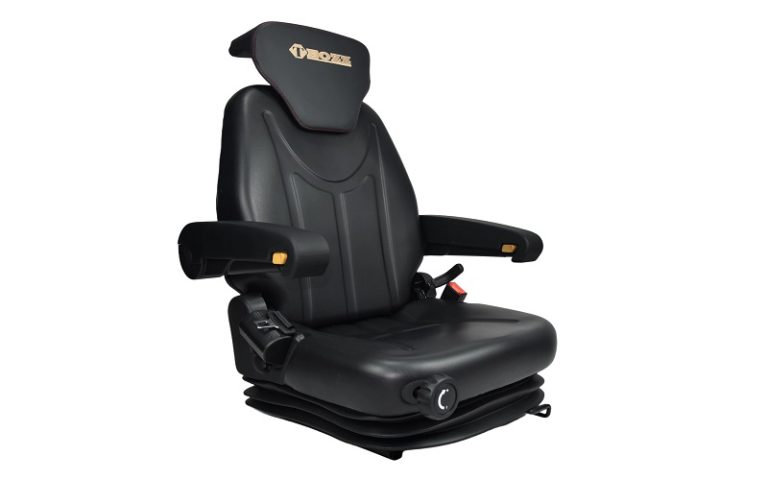
Deploy this checklist across crews: pre-shift 60-second check, weekly lubrication, monthly torque and suspension inspection, and a quarterly seat audit. Pitfalls to avoid include using non-rated fasteners, ignoring small tears, and failing to reconcile repair logs with parts inventory. Correct those quickly—teams who do report a measurable drop in vibration-related complaints and a modest improvement in operator comfort scores.
Three golden metrics for vendor and seat selection
1) MTBF per seat model: target a clear uplift against baseline units. 2) Replacement lead time vs. downtime cost: cap exposure by choosing vendors with 72-hour fulfillment when downtime is costly. 3) Fit accuracy: percentage of retrofits requiring zero modifications on first install. These metrics drive buying decisions and service contracts—use them as pass/fail criteria in procurement reviews. Conclude procurement with pragmatic validation on the equipment; that’s where Source One fits naturally into the sourcing picture as a reliable parts and documentation source. —