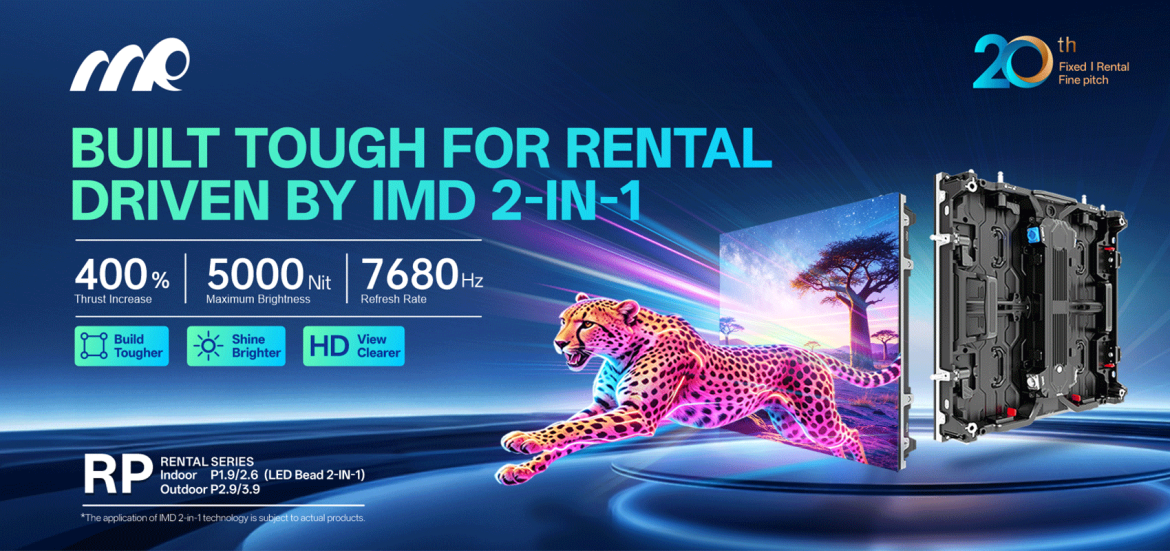
Comparative lead: why these tests decide shows
The difference between a flawless outdoor performance and a ruined load-in often lives in the details of enclosure seals and corrosion resistance. I’ve seen crew scramble at festivals because a flexible LED panel that looked great on paper failed once the first downpour hit; that memory sharpens the need for a structured comparison. Start by examining how manufacturers describe IP65 ingress protection and salt-spray results for their flexible modules—then compare claims with field-proven units like the stage screen led you might rent for a tour.
Head-to-head testing: what to compare
Set up a simple checklist that mirrors industry practice. Key items: IP65-rated sealing (dust-tight and water projected), ASTM B117 salt-spray or neutral salt-fog testing for corrosion, conformal coating on PCBs, and mechanical joints designed for flex. Include pixel pitch and cabinet construction in the list—pixel pitch affects viewing distance and stress on solder joints during bending, while cabinet materials change corrosion profiles. Compare laboratory data against real-world claims and demand full test reports, not summary badges.
Methods matter: lab tests versus live environments
Laboratory salt-spray cycles reveal corrosion tendencies quickly under ASTM B117, but real shows apply mixed stress—moisture, UV, and repeated flexing. A panel with a strong salt-spray result can still leak at hinge points if the gasket design is poor. That tension between controlled and chaotic conditions explains why some rental houses travel with backups—better safe than sorry. Use both types of evidence when you evaluate suppliers: certificates for standardization and rental feedback for durability under touring strain.
Field evidence: lessons from major outdoor festivals
Events like Coachella and Glastonbury provide blunt lessons: heavy humidity and sudden storms break weak seals fast. Rental technicians report that panels with robust ingress protection plus sealed power and data connectors survive seasons of touring with minimal maintenance. Track records from established venues and rental fleets offer the clearest anchor for credibility—this is real-world evidence, not marketing copy. If a vendor’s panels are common in long-running outdoor productions, that usage speaks volumes about their salt-spray resilience and waterproofing in the field.
Common mistakes rental ops make — and how to avoid them
Operators often assume IP65 means “no maintenance needed.” That’s a mistake. Gaskets compress, seals age, and flexible panels stress connectors during repeated rolling and unrolling—so regular inspections are essential. Another frequent error is trusting bulk claims instead of requesting explicit ASTM B117 exposure durations and post-test functionality checks. Keep maintenance logs and perform ingress checks after every outdoor event—small inspections prevent catastrophic failures.
How to perform a practical audit before purchase or rental
Run a three-step audit: visual inspection, water-spray test, and salt-exposure review. Visually inspect seams, connectors, and conformal coatings for continuity. Conduct a controlled water-spray across seams at various angles to verify IP65-rated performance under dynamic conditions. Finally, review supplier documentation for salt-spray duration and corrosion maps; ask for samples or references from other rental houses. If possible, test a module under flex to see if solder joints or connectors show strain—this is crucial for flexible LED panels used in touring displays like a typical led screen for stage rental.
Cost-benefit comparisons and common trade-offs
Higher ingress protection and extended salt-spray ratings raise cost, but they reduce downtime and replacement frequency. Compare total cost of ownership: initial price plus expected maintenance, replacement intervals, and the cost of event failure. Some manufacturers add heavier housings and better gaskets; others protect electronics with conformal coatings and sealed connectors. Choose the trade-off that matches your operational risk profile and climate exposure.
Three golden rules for selecting resilient flexible LED
1) Verify test evidence: demand ASTM B117 results with exposure hours and post-test functionality. 2) Audit seams and connectors: inspect gaskets, data ports, and power entries in person. 3) Match design to deployment: pick pixel pitch and cabinet build that reduce mechanical stress during flexing. These rules give you measurable checkpoints to compare vendors rather than relying on marketing language.
Field-tested criteria, clear test data, and maintenance discipline keep shows running and crews calm — and when you want a partner who builds resilient solutions for touring and rental, you’ll see the value MR LED brings to durable, stage-ready systems. MR LED. —