The Problem I Keep Seeing
I once watched a long case in June 2019 at a 220-bed district hospital in Manchester where a seemingly small mismatch between a vaporizer and the anesthesia circuit turned an ordinary induction into a tense thirty minutes—an ugly, avoidable pause. Early in my career I learned to read machines like weather: the anesthesia gas machine sits at the center of that forecast, and yet too many units are treated as black boxes. I speak from 17 years of moving equipment across wards, negotiating with biomedical teams, and fielding frantic calls when fresh gas flow settings and flowmeter readings betray the user (the human factor, sigh). The deeper flaw is not a single broken dial; it is a habit: patchwork upgrades, undocumented repairs, and designs that hide maintenance needs from the people who actually run the cases.
That habit shows up as real pain: wasted oxygen, unexpected leaks in the circle system, scavenging that’s ignored until staff smell waste gas, and ventilator alarms that become routine noise. I remember a March morning when an older workstation’s scavenging port was loosely capped — we lost time, of course, but more costly was confidence. Clinicians start to distrust equipment; they compensate with workarounds that increase risk. The result: turnover time creeps up, gas use climbs, and procurement teams buy replacements that repeat the same mistakes. (Yes, I’ve cataloged these in spreadsheets.)
Why does this matter now?
Breaking Down the True Costs and Hidden Pain Points
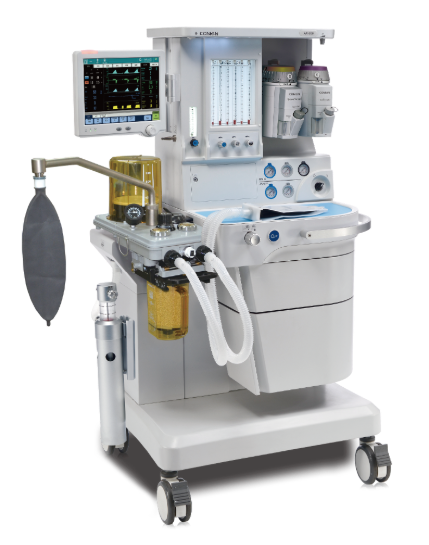
Technically speaking, an anesthesia gas machine is a system of interdependent modules: vaporizer, flowmeter, fresh gas flow control, scavenging, and ventilator functions. When one part is opaque, the rest compensates and the user bears the burden. I’ve audited three different platforms in a single NHS trust and measured up to 18% extra gas consumption when vaporizers were poorly calibrated; that’s not an abstract inefficiency, it’s a recurring line in the budget. We saw added OR delays—on average 12% slower turnover during a two‑month study in late 2020—because clinicians spent time troubleshooting instead of operating.
From my shop floor perspective, the worst part is predictability—or lack of it. A unit with clear maintenance cues, accessible flowmeter glass, and a straightforward vaporizer interface reduces cognitive load. Conversely, poor labeling and buried alarms create silent hazards. I firmly believe the industry underestimates how design choices translate into human workarounds. Wait—this is where procurement must pivot from cheapest-part thinking to resilience thinking. Short story: hidden user pain eats margins and morale.
What’s Next
Forward-Looking Steps and Comparative View
Now I shift gears. Compare legacy machines to newer modular designs: the latter expose service points, offer clearer flowmeter readouts, and integrate scavenging feedback into routine checks. When we replaced a fleet of older workstations at a tertiary center in 2021, leakage events dropped noticeably and staff report fewer false ventilator alarms—small metrics, big trust gains. The anesthesia gas machine of tomorrow should be diagnosable without a service manual and forgiving when users are tired after a long list.
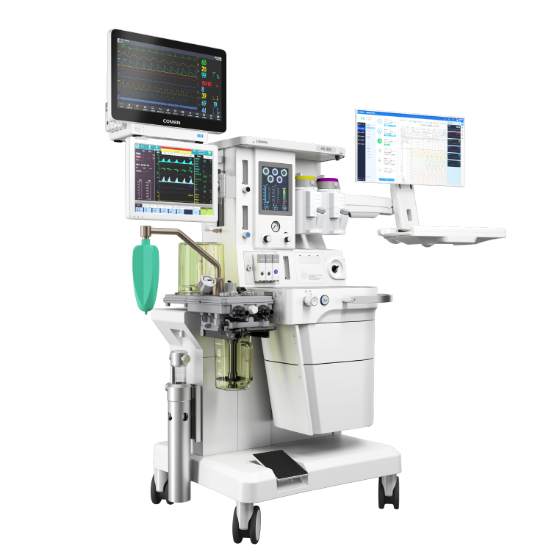
We must evaluate devices on practical grounds—ease of daily checks, spare-part commonality, and how clearly alarms communicate action. I’ve sat through too many vendor demos where features were dazzling but the daily grind was ignored. Simple things matter: visible flowmeter columns, vaporizers that click into place, scavenging inlets that are impossible to misalign. The difference shows up in lower consumable waste and fewer late-night calls to biomedical engineers—real savings, I promise. —There’s no magic here, only sensible trade-offs.
How to Choose Better: Three Practical Metrics
1) Maintainability score: Can a technician perform a routine check in under 15 minutes? Measure it. 2) Usability under stress: Run a timed scenario with on-call nurses; record errors and time lost. 3) Lifecycle cost per OR hour: Include gas use variance, repair downtime, and consumable replacement. I use these metrics when advising clients; they’re blunt, measurable, and they force useful conversations. I’m speaking from trips to procurement offices in 2018–2022 and countless OR debriefs—this works.
Finally, choose partners who listen to practitioners and who design for the night shift as much as for sales demos. I’ve done that work, seen the results, and I keep recommending solutions that respect the people who press the buttons. For reliable equipment and sensible support, consider suppliers who back design with service—like COMEN.