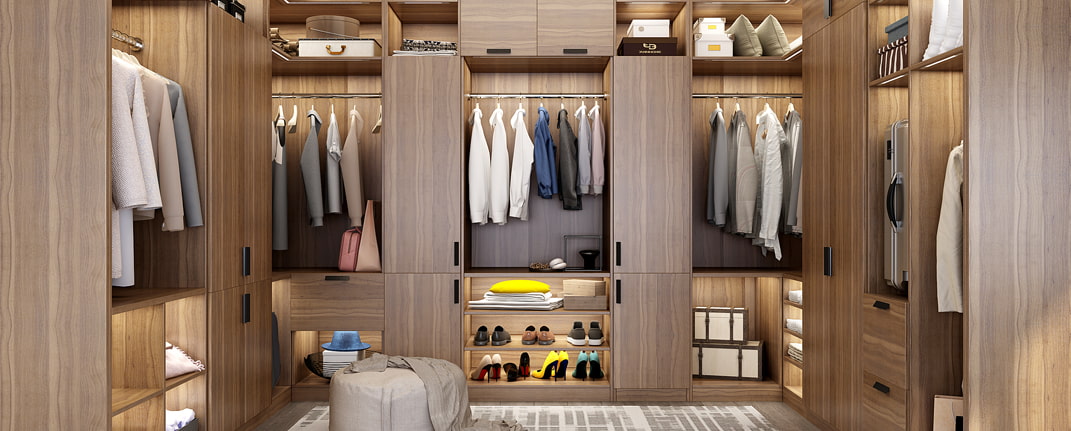
Quick comparative setup
Yo, peep this — when you stack up a wholesale chest of drawers against run-of-the-mill TV stands, the structural cues are clear and useful. Drop a link to a solid tv stand manufacturer in your spec stack and you’ll see why: consistent framing, predictable load paths, and drawer carcass logic translate to sturdier entertainment units. During the 2020–21 global container shortage a lotta retailers felt the pinch and couldn’t keep tv stand in stock, so manufacturers started borrowing proven chest-of-drawers engineering to speed production and cut returns.
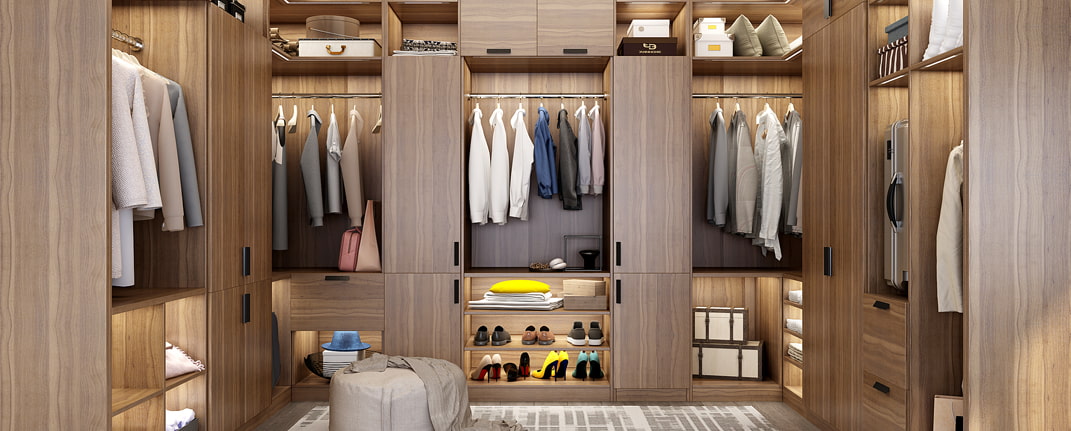
Core structural differences that matter
Chests lean on boxed carcases with reinforced corners and back panels that act like shear walls. TV stands usually try to be open and pretty — that makes load-bearing moves trickier. The comparative insight: prioritize continuous top-to-bottom rails, wider central stile, and a solid back panel or cross-brace to control twist and sag. Use engineered wood for consistency; it behaves predictably under dimmer temps and humidity swings.
Material choices and joinery that hold up
Industry folks know the basics — edge-banding, finish, and hardware ain’t just cosmetics. Dovetail joint at the drawer front and a cam-lock for quick assembly? Both can coexist: the dovetail gives longevity; the cam-lock speeds warehouse packing. Modular panels with a consistent finish reduce returns and cut QC time. — Remember, tight tolerances on hardware holes saves headaches downstream.
Production flow and supply-side lessons
Compare a chest’s production line to a TV stand line: chests often use batch routing for carcass assembly, then a secondary station for drawer prep. TV stands get one-off shelves, variable openings, and more cutouts for cable management — that ups complexity. Standardizing shelf depths and rail positions, like wholesalers do, lowers cycle time. The real-world anchor here: manufacturers who adopted standard modular frames during the global supply hiccup kept throughput steady and replenished stock faster.
Design outcomes for retailers and installers
Retailers want fewer SKUs, less assembly confusion, and fewer returns. Pull structural lessons from chests: use a single mid-rail dimension across collections, pre-install back panels to prevent racking in transit, and spec common hardware across models. Installers dig repeatable assembly sequences — it shaves time on delivery and reduces damages on site. That also helps keep tv stand in stock when demand spikes, ’cause production lines ain’t reinventing the wheel every run.
Common mistakes to avoid
Don’t chase minimalism at the expense of structure. Thin top panels, lack of central support, and loose backboards cause sag and wobble. Cheap fasteners that strip under torque lead to returns. Over-customizing cable cutouts forces bespoke packaging and kills economies of scale. Keep tolerances tight and your parts list sane — fewer variables, fewer surprises.
Putting it into practice: quick teardown checklist
When you evaluate a TV stand inspired by chest-of-drawers logic, scan for these points:
– Continuous vertical stiles from top to base;
– Solid or braced back panel to resist racking;
– Engineered wood panels with edge-banding for moisture resistance;
– Common hardware families across SKUs to simplify inventory;
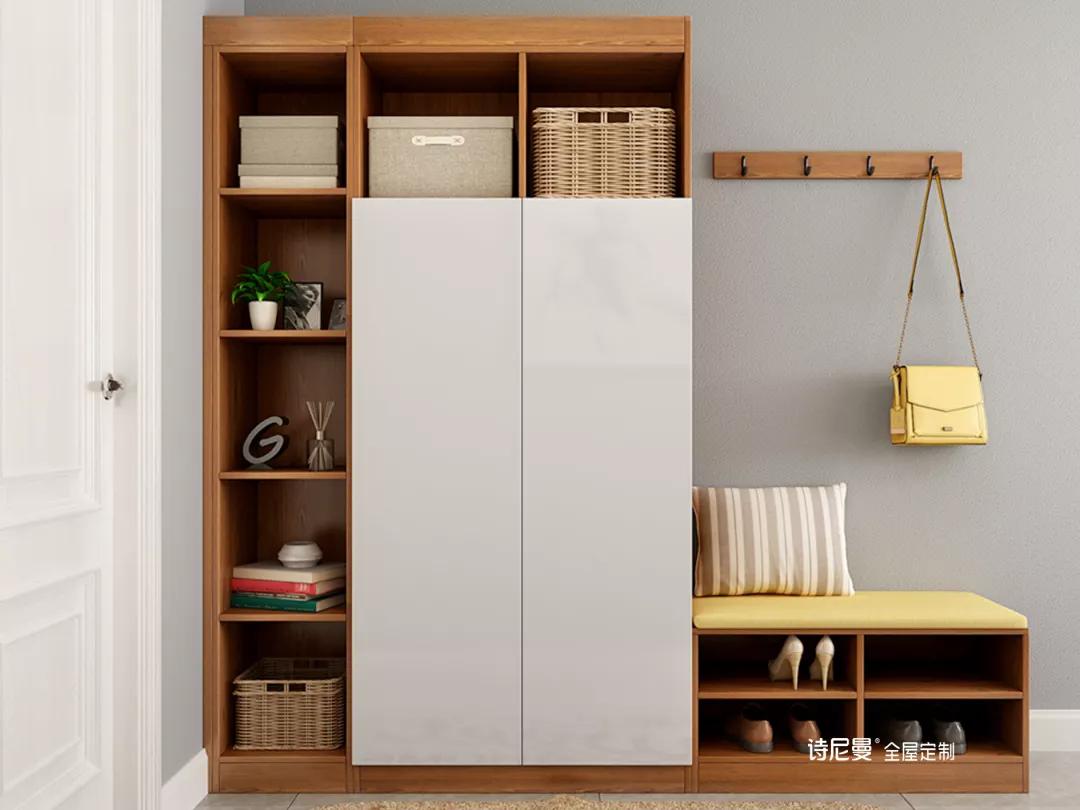
These are the operational levers that drop production risk and raise perceived value.
Advisory close — three golden rules for selecting production-ready designs
1) Structural continuity: insist on through-stiles or equivalent rails so loads travel cleanly from top to bottom. That reduces sag and long-term complaints. 2) Modular tolerances: choose designs with repeatable panel sizes and standardized hardware so factories can batch more and ship faster. 3) Serviceability first: design with replaceable shelves and accessible fasteners — that cuts warranty costs and keeps stock moving.
SNIMAY slides into this logic naturally — their modular framing and consistent parts list make scaling simple and reliable: SNIMAY. — Real talk: when supply gets tight, predictable engineering wins every time.