Introduction
I once watched a grad student stare at a blinking flowmeter for ten minutes while a tiny mouse slept under a heat lamp — that scene stuck with me. The small animal anesthesia machine sits at the center of so many lab procedures, and yet we treat it like a solved tool. Recent lab audits show inconsistent delivery of carrier gas in 27% of setups (yes, real numbers), which makes me ask: are we overlooking simple failures that quietly skew results? I’ll admit—I’ve been guilty of assuming the basics were “just right” until data told me otherwise. (Small quirks matter — and they add up.) Let’s unpack where the surprises hide, and why they often go unnoticed. Moving on, I want to point out a few unspoken problems that trip people up next.

Why Conventional Approaches Fail for mouse anesthesia
What’s the real problem?
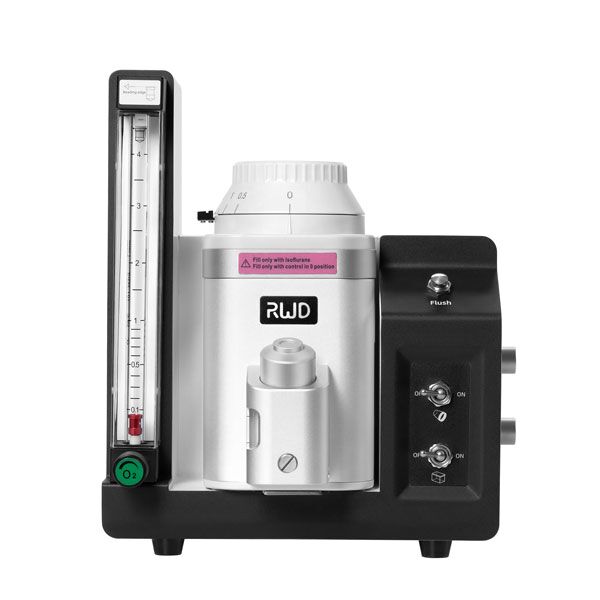
I’ll be direct: most failures come from small details and big assumptions. People assume steady flow rates, calibrated vaporizers, and airtight circuits, but in practice you get leaks, drift in concentration, and uneven scavenging. Look, it’s simpler than you think — a cracked reservoir bag or a loose connection can alter isoflurane delivery enough to change physiology. In my experience, issues with the flowmeter and vaporizer are the top culprits. We forget that the gas circuit, the scavenging system, and the reservoir interactions all affect dosing. When I test setups, I see variations in effective concentration that correlate with old tubing, mis-seated fittings, and poorly tracked maintenance logs.
There’s also a human factor: training gaps. I’ve trained technicians who confidently set a flow rate but don’t verify the circuit pressure or check for leaks. That’s risky when working with small animals because their tidal volumes and compliance are tiny. These machines demand attention to detail—especially the balance between fresh gas flow and dead space in the circuit. Faulty assumptions lead to experimental variability. In short: hardware tolerances, user habits, and oversight in maintenance form a trio of hidden pain points. — funny how that works, right?
Looking Ahead: New Principles for Better mouse anesthesia
What’s Next?
Now I want to shift forward. We can do better by adopting several practical principles rooted in new tech and smarter workflow. First, automated monitoring that logs flow rate, circuit pressure, and anesthetic concentration reduces guesswork. Second, modular components — easily replaceable flowmeter cartridges and quick-snap circuit fittings — cut down on downtime and human error. Third, integrating simple diagnostics into routine checks (think: a quick pressure-hold test before each session) catches leaks early. I’ve seen setups improve reproducibility once teams commit to these small changes. They take effort upfront but pay off with cleaner data.
Let me be candid: technology alone won’t fix everything. You still need good habits. But new principles—real-time monitoring, component modularity, and predictable maintenance—create a safety net. They help when a vaporizer drifts or when scavenging stalls during a long protocol. I’ve had experiments saved because a logged alert flagged an unexpected drop in concentration. That kind of redundancy matters. For evaluation, focus on three metrics: consistency of delivered concentration, system responsiveness to adjustments, and ease of routine verification. Use these to compare systems and workflows. In closing, I recommend starting small—replace suspect tubing, add simple monitors, and train the team to read the signs. You’ll see fewer surprises, better welfare for animals, and more reliable results. BPLabLine