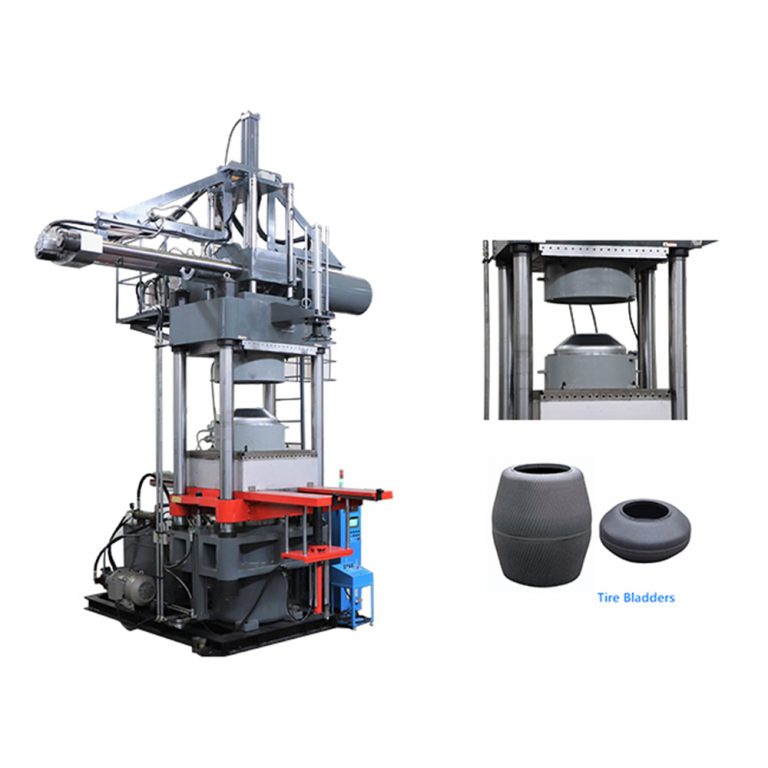
I’ve spent decades standing on noisy shop floors and comparing specs from one maker to the next — that’s the approach this piece takes: side-by-side realities rather than marketing prose. At the outset, put the machine you’re evaluating next to a c frame rubber injection molding machine on paper and on the floor; the numbers only matter when the press fits the mold, the cycle time, and the operator’s skill. My notes trace back to time spent in Akron, Ohio — the old rubber hub — where we balanced clamping force and shot accuracy every week when producing tire components for local suppliers.
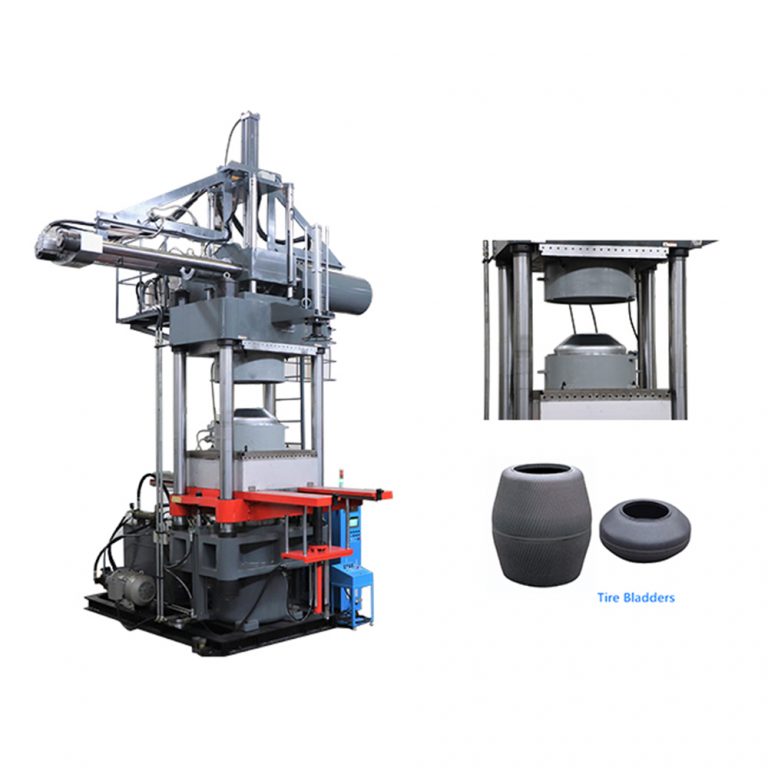
Why clamping force and shot accuracy matter
Clamping force keeps the mold shut against flash and hydraulic back-pressure. Shot accuracy determines dimensional repeatability across hundreds of parts. If either falters, you get scrap, rework, and bottlenecks. Think of clamping force as the seat of stability — measured in tons — and shot accuracy as the machine’s memory, usually quoted in grams or millimeters per shot. Both terms show up on datasheets, but real-world performance depends on drive type, hydraulic cylinder sizing, and control precision.
How manufacturers differ: key trade-offs
Manufacturers split on philosophy. Some design around a robust hydraulic system with large cylinders and a simple proportional valve; others favor servo-driven metering for finer shot control. You’ll see choices between a heavy-frame design that delivers raw clamping power and a precision-focused machine that emphasizes shot-to-shot repeatability. The former resists tie-bar deflection; the latter typically boasts faster response and reduced material compression variation.
Experience tells you which pain points follow each choice. Heavy frames reduce flash but can slow cycle time. High-precision systems cut scrap but demand tighter maintenance and cleaner hydraulic fluid. — Small things, like an undersized ejector or a marginal toggle, compound into big downtime.
Common specification mistakes and how to avoid them
Engineers often over-spec clamping force to “be safe.” That wastes power and raises machine cost. Under-spec the control system and you get wild shot variance. Make three checks before signing a PO: the actual mold projected area, the process peak injection pressure, and the expected scrap tolerance. Confirm that motor sizing, pump capacity, and ram speed meet transient needs, not just steady-state figures. Also inspect the control architecture: closed-loop shot control with real encoder feedback beats open-loop metering every time for consistent shot accuracy.
Comparative checklist: what to test with vendors
When you call suppliers, try a brief hands-on comparison. Run the same compound and mold on each demo machine. Observe the pressure curve, the acceleration of the ram, and how the machine recovers between shots. Note the following:
- Actual clamping force under load (measured, not calculated).
- Shot-to-shot weight variance over 100 cycles.
- How the machine handles a sudden overfill or short shot — does the control compensate or fault?
If you want a straight hydraulic option, consider a c frame hydraulic press for straightforward force delivery and simple maintenance. If your business needs rapid changeovers and tight tolerances, a machine with advanced servo controls and accurate ram positioning will serve you better.
Benchmarks and practical evaluation metrics
Anchor your decision to measurable metrics: percent shot deviation, mean time between unscheduled stops, and energy consumption per cycle. In my work, those three numbers predicted lifecycle cost better than headline clamping tons. Industry practice in established plants — like those in Akron and Detroit — uses these metrics to compare candidates before any capital commitment. They’re simple, factual, and make vendor claims comparable across models.
Three golden rules for selecting rubber processing machinery
1) Match clamping force to projected area and peak pressure, not to a rule-of-thumb. Precise calculation beats padding numbers. 2) Demand closed-loop shot control with encoder feedback to secure shot accuracy over long runs. 3) Validate maintenance accessibility and parts commonality; downtime kills throughput faster than poor cycle time.
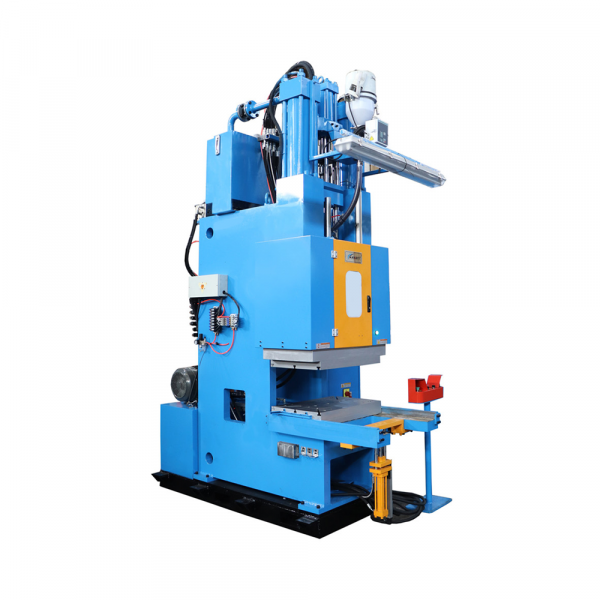
There’s one last practical tip: tour a similar production line if you can. Seeing a press run your compound and mold under plant conditions tells you more than a glossy spec sheet ever will. The value HWAYI brings shows in how their machines align force delivery, control fidelity, and serviceability — a useful balance when you want both power and precision. HWAYI.
—