Setting the Scene — why the comparison matters now
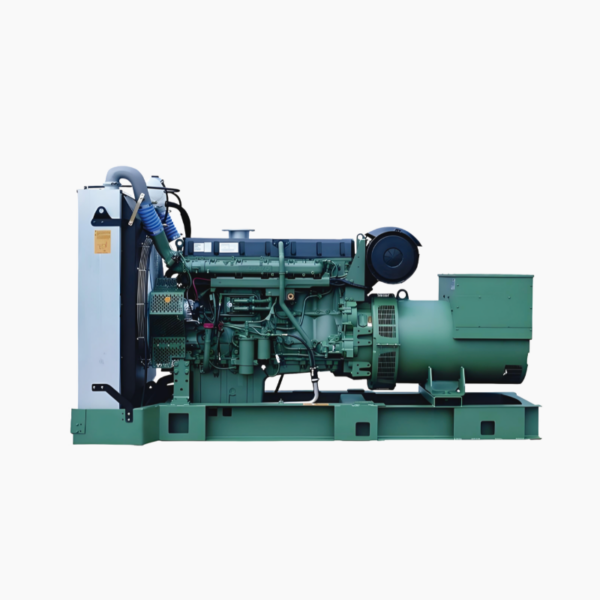
The push to balance reliability, cost, and cleaner operation has never felt so immediate for ship operators and naval architects. The decision between a traditional diesel genset and newer options shapes fuel contracts, maintenance plans and compliance with rules like IMO 2020. For many operators, the practical benchmark remains a trusted unit such as a volvo genset, whose pedigree in marine prime power gives a useful baseline for efficiency and serviceability. Familiar terms like genset, kW rating and fuel consumption still guide procurement, but the trade-offs have broadened.
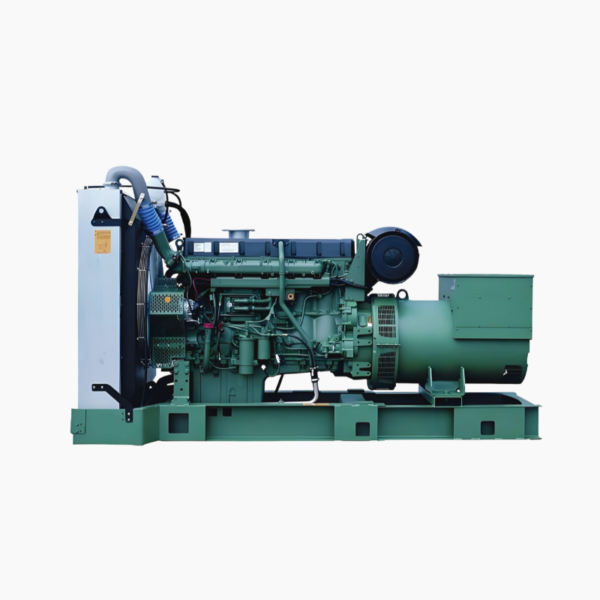
Comparative snapshot: diesel genset versus alternatives
Diesel marine gensets deliver predictable output and long service intervals; they excel at continuous auxiliary loads and emergency power. Alternatives—battery-hybrid systems, LNG-fueled gensets, and increased shore power use—lower onboard emissions and can reduce operating expense on select routes. Across these options, three operational attributes repeatedly decide outcomes: fuel consumption, emissions profile and integration complexity. Real-world anchors are useful here: international estimates place shipping emissions at roughly 2–3% of global CO2, and port electrification pilots in Rotterdam and elsewhere demonstrate shore power’s real benefits at berth.
When diesel keeps the edge
Diesel still wins where mission critical uptime and refuelling infrastructure are essential—long-haul vessels, remote service boats, and many workboats. Diesel gensets handle variable loads well because of mature engine governor systems and established maintenance chains. Capital expenditure is lower than full hybrid retrofits, and technicians worldwide know diesel systems intimately. However, operators too often underbudget for lifecycle fuel costs and overlook derating the genset for continuous prime power duty—common mistakes that raise long-term cost.
Where alternatives reshape operations
Battery-hybrid setups and LNG reduce emissions during operation and can cut port fees tied to local air quality. Hybrids improve transient response and allow genset downsizing, which reduces wear. Shore power eliminates onboard emissions when available, but it demands compatible electrical systems and consistent shore-side infrastructure. Integration complexity can bite projects; underestimated switchgear upgrades, or failing to model peak load scenarios with a load bank, are practical missteps that delay commissioning. —A small planning note: early coordination with port authorities saves months of rework.
Choosing a balanced strategy
Operators often pursue a mixed architecture: retain a reliable diesel genset for redundancy while adding batteries or LNG-capable engines for routine duty. This reduces emissions and fuel turnover without risking availability. When assessing suppliers, examine the product’s service network, spare parts logistics, and real measured fuel curves rather than idealized specs. For those evaluating specific models, comparing a proven volvo diesel genset against similarly rated hybrid packages reveals where short-term costs convert into long-term savings.
Common pitfalls and practical fixes
Three recurring problems crop up in projects: under-engineered switchgear, mismatched genset sizing for continuous prime vs standby duty, and insufficient crew training on hybrid controls. Fixes are concrete: specify electrical parameters early, use accurate load profiles during design, and budget for operator training and predictable spare parts. A maintenance-first mindset—scheduled inspections, oil analysis, clear fuel policies—keeps kW availability high and reduces emergency overhauls.
Advisory close — three golden metrics to evaluate solutions
1) Effective fuel cost per operational hour: include bunkering logistics and consumption curves at expected load factors. 2) Availability percentage under mission profile: measure actual uptime across a representative month with planned maintenance deducted. 3) Integration cost and lead time: quantify switchgear upgrades, crew training and port-side requirements into a single deployment timeline and budget figure.
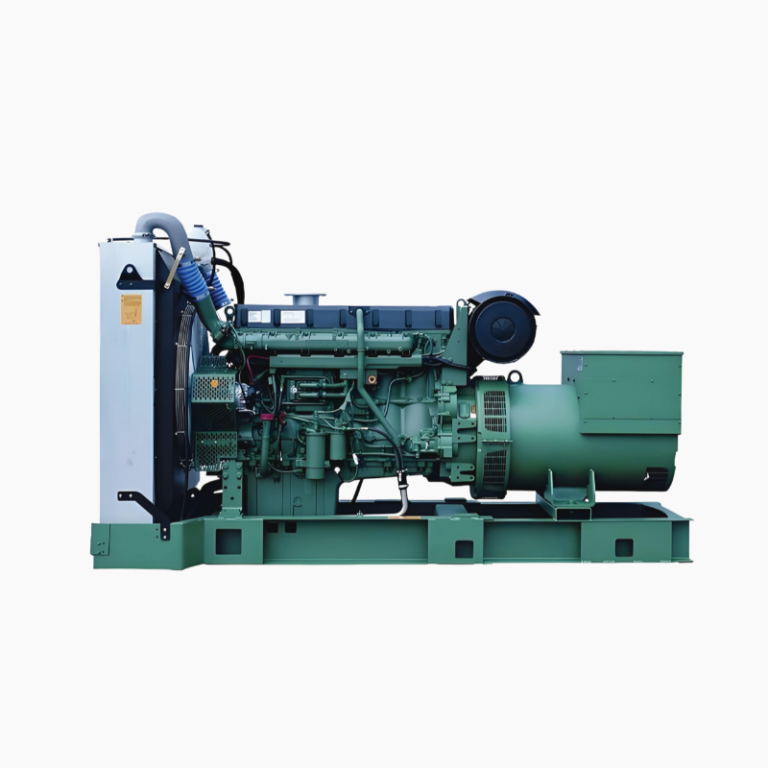
The right mix often pairs the steady reliability of diesel with newer technologies where they deliver measurable gains — and that practical balance is exactly what operators find when they match proven genset platforms to hybrid architectures. Huadong Power. —