A Night Ride, A Number, A Puzzle
A street goes quiet, and your visor fogs at the edge. You lean a muscle cruiser off the stand, feel the weight settle, and hear the engine breathe once. People assume they know muscle cruiser motorcycles because the numbers shout from the page. Big torque. Bold pipes. Long wheelbase. Yet most city trips last under half an hour, and many riders cruise between 25 and 55 mph—more glide than charge. So why do some bikes with giant stats feel clumsy at 40, while others flow like silk? (The answer isn’t where you think.) I’ve watched riders who love the look but fight the low-speed turns, and then swear the problem is power, not balance—funny how that works, right?

Here is the puzzle: data points tell a story, but the street edits the script. The spec sheet speaks in peaks; the ride speaks in moments. Which voice should you trust when the light turns green and the road narrows? Let’s lift the cover and see what’s hiding in plain sight—then push forward.
The Quiet Trade-Offs Riders Overlook
Where do the compromises hide?
Those big numbers from Part 1 can mask small frictions that add up. The torque curve may look flat on paper, but the first 15 feet off the line depend on gear ratios and clutch feel. If the ECU mapping chases smoothness at idle, you can get a soft handoff right where you need bite. Look, it’s simpler than you think: at town speeds, micro-control beats raw thrust. Rake and trail set how the front end talks back, and a long wheelbase can steady the bike while also slowing turn-in. You feel it as a half-second delay, not a spec. The chassis doesn’t lie; it whispers.
Heat is another quiet negotiator. A big powerplant throws thermal load into your legs during stop-and-go, and heat soak can shift the way fueling behaves after ten minutes in traffic. Vibration, if the counterbalancer tune is off, becomes noise in your hands and steals confidence. Swingarm geometry and weight distribution decide whether a mid-corner bump nudges you wide or keeps you calm. Even brake pad compound and ABS logic color your low-speed rhythm. None of these are headline specs, yet they shape every block you ride. When riders say, “It feels heavy,” they often mean “The feedback loop is noisy.” That’s the trade nobody advertises—and the one you live with.
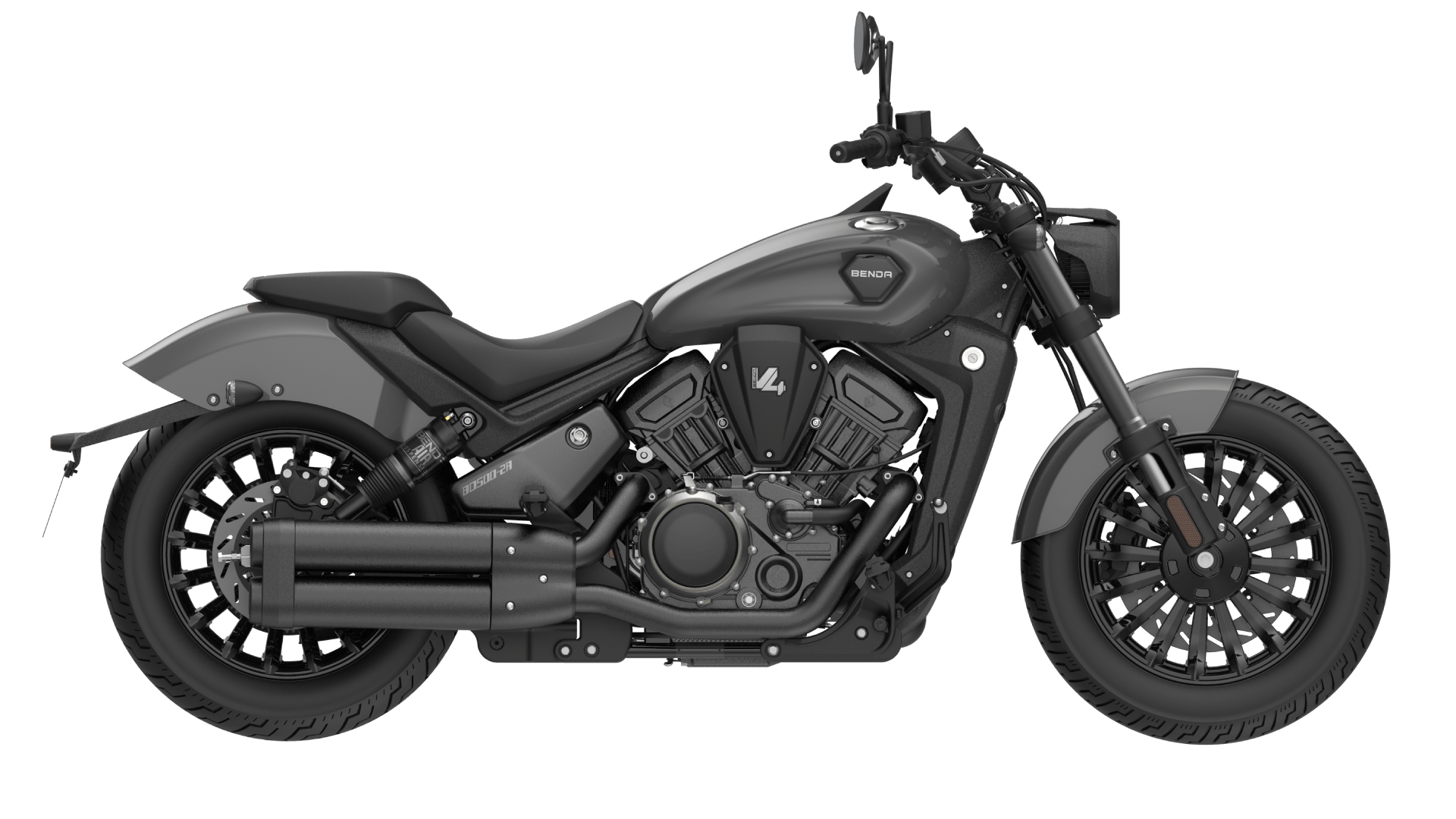
Next-Gen Muscle: From Brute Force to Smart Force
What’s Next
So what changes when the goal is feel first, thrust second? New technology principles are bending old rules. Ride-by-wire systems can map throttle for precise low-opening control while keeping full hit on demand. A refined CAN bus network lets traction control, ABS, and the ECU share signals in milliseconds, smoothing the bike’s response without muting its character. Better cooling paths, revised radiator ducts, and smarter powertrain mapping cut heat spill at city speeds. And in the class of power cruiser motorcycles, lighter rotating mass and improved final drive ratios make the bike snap to attention between 30 and 60 mph—where real rides live. Compare two machines with the same peak torque: the one with a cleaner midrange, calmer chassis feedback, and tighter calibration will feel faster in your hands. Not louder, just truer.
If you’re choosing your next ride, set your lens to practical precision. First, measure usable torque where you ride most: the 30–70 mph sweep, not just peak output; think thrust-to-weight you can deploy. Second, test heat management after a 20-minute crawl; your knees will know the truth—funny how that works, right? Third, read the handling signal: how many bars of steering input does it take to hold a clean line at parking-lot speeds and through a rough corner? These three checks expose the hidden costs we traced earlier and point to the real value behind the badge. The future favors muscle that listens as well as it shouts. Keep that in mind the next time a spec sheet tries to win you over at a glance, and keep an eye on brands that iterate with that sensibility, like BENDA.