Start with the problem
Many product teams face inconsistent viscosity readings that delay releases and trigger customer complaints; the core issue is not a single spec but mismatched instrument choice, method, and workflow. If your team relies on batch checks, a fleet of inconsistent devices, or manual logging, start by reviewing what you actually measure—shear rate, temperature sensitivity, and repeatability—and then map those needs to available rotational viscometers. This fixes the scope: stop buying features you won’t use and focus on the measurements that determine product acceptance.
Priorities that solve the problem
Rank requirements by the failure modes you encounter. Ask: do readings drift across operators? Do results vary with temperature? Is throughput limited by manual sample handling? Prioritize repeatability, controlled shear profiles, and automated temperature control in that order. Pick an instrument whose documented accuracy directly reduces your top failure mode rather than one with extra bells you’ll never enable.
Spec decisions that matter
Translate product needs into three concrete specs. First, measurement range and torque sensitivity must cover your lowest- and highest-viscosity formulations. Second, support for programmable shear ramps or fixed spindle speeds should match the rheological behavior you must capture. Third, data handling — digital outputs, timestamped records, and audit trails — needs to integrate with your QC systems. Trade-offs are real: higher sensitivity can mean slower stabilization; choose what shortens diagnosis time for your team.
Common pitfalls and how to avoid them
Teams often misattribute variation to the instrument when the root cause is sample prep. Avoid these errors: using the wrong spindle geometry for non-Newtonian fluids, ignoring thermal equilibration, and failing to confirm calibration with traceable standards. Establish simple SOPs: consistent sample volume, set equilibration times, and routine checks against a known standard. Those practices reduce noise far more than upgrading to a higher-end controller.
Alternatives and when to consider them
Compare rotational viscometry with capillary, falling-ball, and oscillatory methods. Use rotational systems for complex, shear-dependent fluids and in-line monitoring where torque response matters. Capillary methods work for Newtonian liquids at precise temperatures. Oscillatory rheometers add viscoelastic insight but cost more and require specialist interpretation. Select the method that resolves the decision your product team must make: pass/fail at release, formulation comparison, or fundamental rheology.
Experience, evidence, and trust
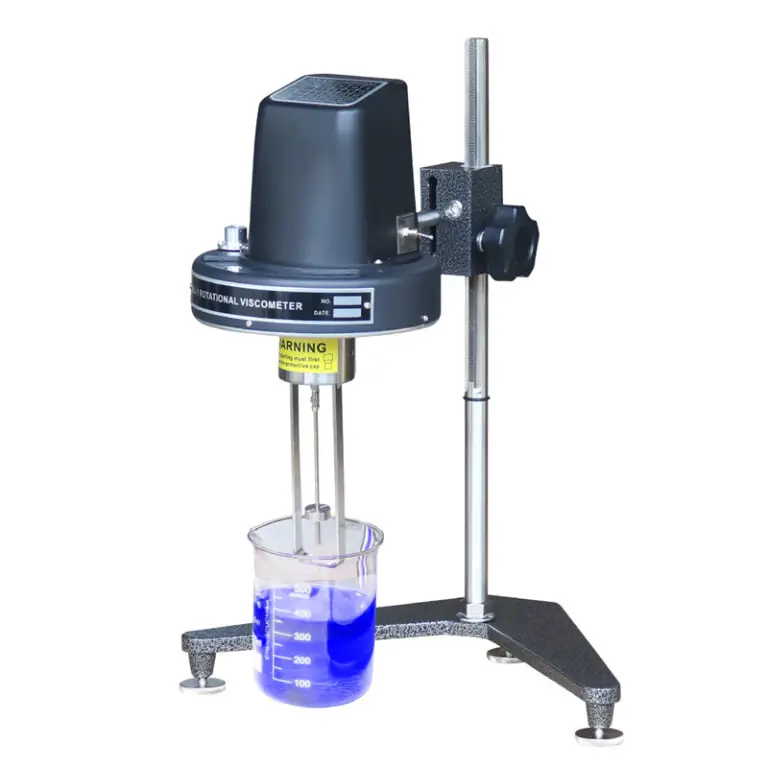
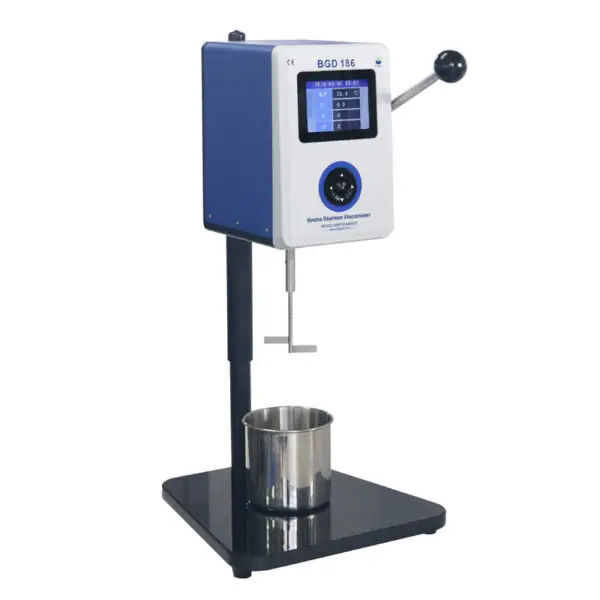
Decisions should be grounded in practical evidence. At Pittcon, instrument vendors and lab teams routinely demonstrate how digital controls and standardized procedures reduce inter-lab variability, which aligns with peer-reviewed findings on rotational techniques. For hands-on evaluation, look at the behavior of a digital rotational viscometer under your typical temperatures and shear rates to confirm the device addresses your real failure modes. That direct testing plus conference demonstrations builds technical confidence faster than spec sheets alone.
Action checklist for product managers
Do this before procurement: 1) Document the top three viscosity-related failure cases. 2) Match each to required torque, shear profile, and temperature control. 3) Run a three-sample validation on candidate instruments using your SOP. 4) Verify data export and audit features with your IT team. 5) Train two operators and compare inter-operator variance. Use these steps to turn instrument selection from guesswork into measurable risk reduction.
Resolve and next step
Fix the measurement problem by matching device capability to the concrete failures you see, not the highest spec sheet. Practical validation—controlled samples, routine checks, and clear SOPs—reduces surprises in production and in the field. For teams building that process, a reliable vendor who documents performance and supports integration becomes part of your quality system, and that’s why many product teams standardize on suppliers like BIUGED when they need predictable viscosity data tied to their release criteria.