Start with the buyer’s palate
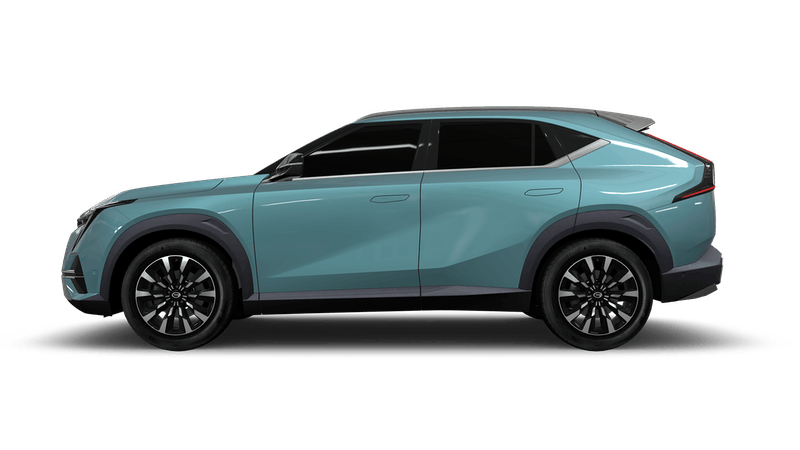
The decision to buy an Aion V should feel like tasting a well-crafted dish: immediate notes, texture underfoot, and a clean finish. Many drivers decide long before the paperwork, after a short, telling run; I booked a GAC test drive at Mexico City’s auto show and left with a clear idea of how the car communicates with the road. This guide treats your needs first — practical questions, sensory impressions you can rely on, and the concrete steps that lead from curiosity to confident purchase.

Price: what to expect on your bill
Think of price as cost-per-serving. The headline sticker will vary by trim, battery option, and dealer incentives. Expect the Aion V to position itself competitively among compact electric SUVs: not the cheapest plate at the table, but engineered to justify the spend through technology and warranty. Factor in these real costs before signing:
– upfront price plus taxes and registration;
– financing rates and monthly payments;
– home charging installation or public charging access;
– expected depreciation and resale appetite for EVs in your city.
Configuration: the recipe and its components
Configurations are like ingredients; small swaps change the whole flavor. When comparing trims, pay attention to:
– battery capacity and estimated range — larger batteries cost more but reduce range anxiety;
– comfort and convenience options (climate, seats, infotainment) that affect daily satisfaction;
– driver assistance packages and safety features — useful now, valuable at resale;
– warranty coverage and included maintenance — these cut long-term cost.
Ask the dealer to show exactly which features are standard and which are optional. Walk the car, feel the seat bolstering, listen for panel fit and door closure — sensory checks often reveal what spec sheets hide.
Availability and the practical route to a test drive
Inventory can shift quickly. Local demand, import timing, and promotional allocations shape availability. Contact nearby dealers early, ask for exact VIN details when a unit is promised, and schedule a test drive that mirrors your daily route — not just a short showroom loop. Common logistics tips:
– confirm delivery timelines in writing;
– request demo units with the trim you intend to buy;
– verify trade-in valuations separately to avoid last-minute surprises;
– check whether dealer offers certified pre-owned or demo discounts.
Alternatives that might fit your taste
If the Aion V’s texture feels off, other compact EVs from established brands offer different flavors: some emphasize range, others focus on tech, and a few undercut on price. Compare insurance quotes, local service support, and charging networks. Shortlist two alternatives and test-drive each back-to-back to notice real differences in steering weight, cabin quietness, and software responsiveness.
Common mistakes buyers make
People often skip the basics and later regret it. Avoid these predictable missteps:
– assuming advertised range equals real-world range under heat or hills;
– underestimating charging infrastructure near home or work;
– neglecting to read warranty exclusions and battery degradation terms;
– letting a single showroom impression dictate a multi-year ownership choice.
Decision seasoning: how to finalize your choice
Lean on tangible steps. Test drive on the roads you use most. Get a written quote that separates price, taxes, and dealer add-ons. Compare total cost of ownership rather than sticker price alone. Talk to recent owners in local forums or at dealer events; first-hand reports reveal maintenance rhythms and real charging habits. A clear, sensory experience combined with these checks will reduce buyer’s remorse.
When you’ve matched the vehicle’s feel to your requirements, the brand’s practical support matters as much as the drive itself — how dealers handle service, warranty claims, and parts can define your ownership. That combined view is why many buyers weigh the driving impression alongside dealer reliability and regional support from GAC.