First impression — a layered broth of perspective
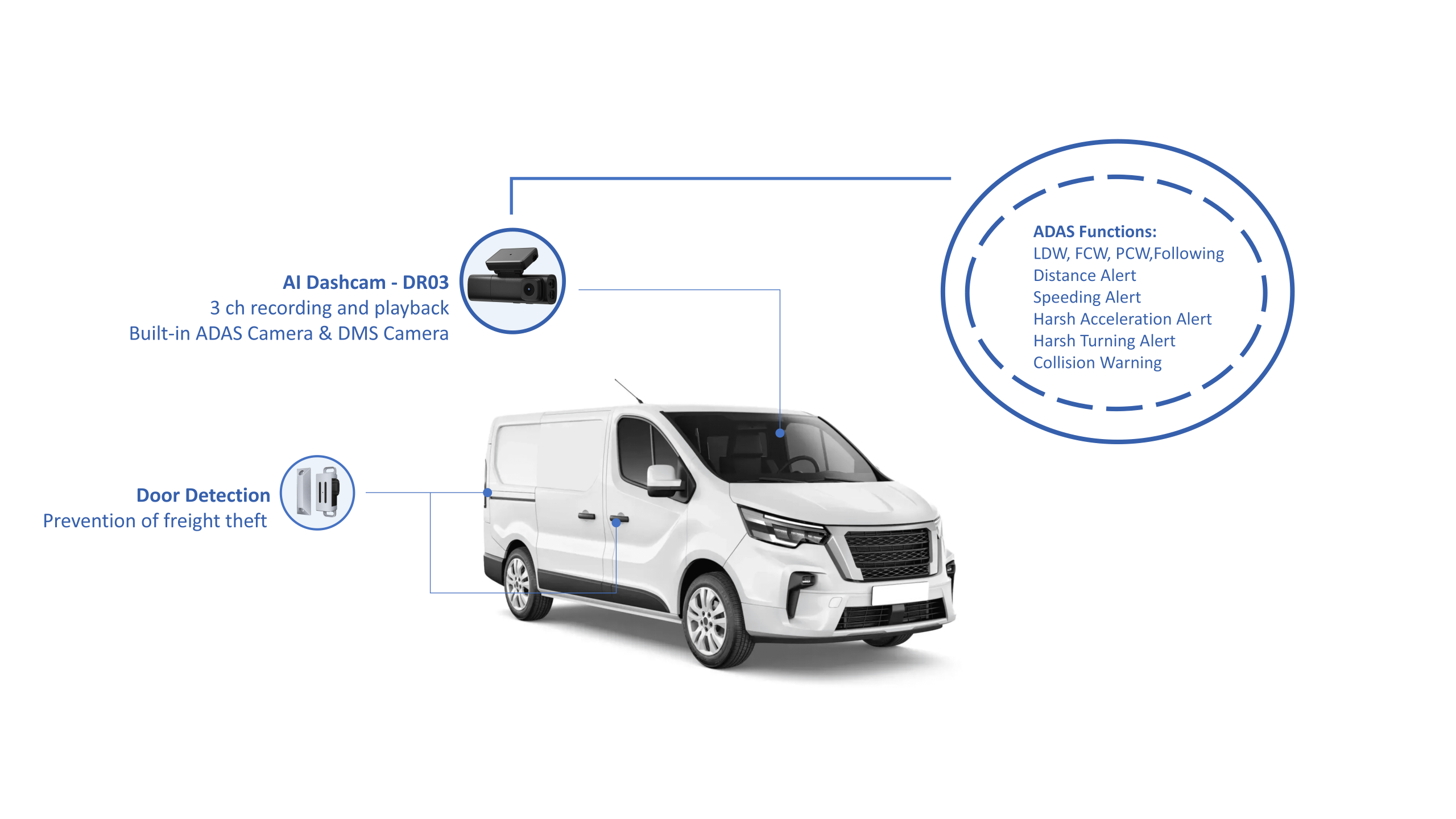
Imagine a simmering pot where front, driver, and cabin views are three clear broths poured together; each adds body to the whole. For school bus operators, that layered clarity changes how you evaluate risk, training, and claims. Large districts such as Los Angeles Unified School District often weigh multi-channel systems differently than smaller fleets because the visibility profile affects both daily operations and liability exposure. When you line up options for school bus fleet management, start by smelling the balance: what each camera sees, how those feeds integrate, and what problems they were meant to solve.
What to compare — the tasting menu of metrics
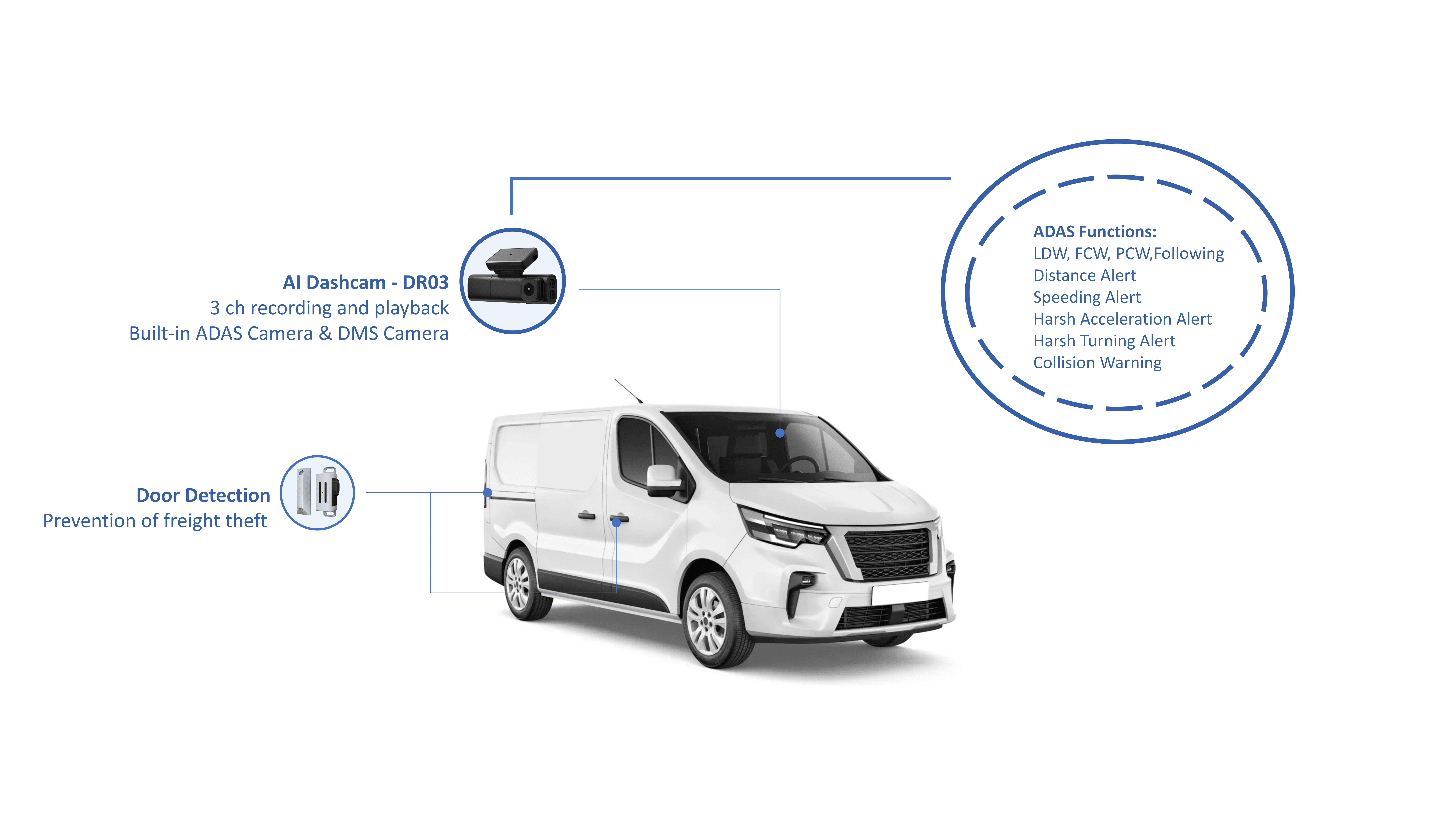
Compare these metrics head-to-head: upfront hardware cost; installation time; ongoing data storage and bandwidth; incident capture rates; ease of retrieving footage; and integration with dispatch and telematics. Consider latency and resolution like texture and clarity — 1080p at 30 fps might be fine for general incidents; 4K for license-plate reads is the haute cuisine of evidence. Measure expected claim reduction and driver coaching outcomes against total cost of ownership across a 3–5 year window.
Operational value versus simple cost
Three channels add distinct operational plates: a forward-facing feed reduces collision ambiguity; an inward-facing feed captures driver behavior for coaching and exoneration; a curb-side feed documents student ingress/egress for safety cases. A single camera is economical but leaves blind spots. A dual setup often sacrifices cabin context. Look beyond sticker price — compute average annual savings from reduced claim payouts, lower insurance premiums, fewer lost-work hours, and faster training cycles to see how a three-camera stack shifts the ledger.
Common pitfalls — sour notes to avoid
Watch for mismatches: high camera resolution paired with low bandwidth causes backups and unusable latency; cheap mounts rattle and blur footage in winter; vendor platforms that lock footage in proprietary formats create extraction headaches during claims. Don’t assume more channels automatically mean more value — poor placement, weak data policies, and absent workflow for reviewing footage will spoil the meal.
Where three-channel systems beat the alternatives
They excel when: routes carry many students at boarding points; driver coaching is an active program; insurers demand clearer evidence; and when integration with routing and maintenance systems matters. If you’re evaluating integrations, look for vendors that tie footage to GPS, speed, and route logs without manual effort; that combined view is what turns images into operational decisions. For fleets needing end-to-end coordination, inspect offerings in the school bus fleet management solutions space for platforms that already bundle camera feeds with telematics and platform workflows.
Quick comparative snapshot
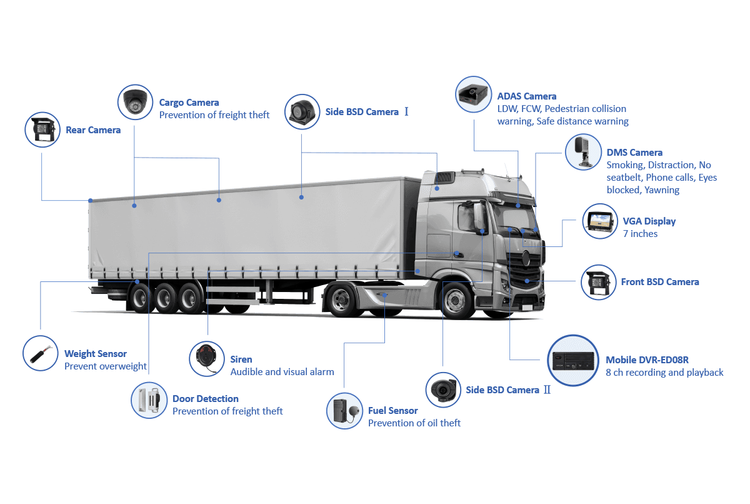
Three-channel: higher capex, strongest evidence capture, best for safety programs and dispute resolution. Dual-channel: middle ground, useful where interior monitoring is less critical. Single-channel: lowest cost, limited context, suitable for basic deterrence and forward-facing recording only. Weight each against your incident profile, fleet size, and the resources you’ll commit to reviewing and acting on footage.
Practical steps to evaluate ROI — a simple recipe
1) Audit incidents for a year: classify type and cost; 2) Pilot a small fleet with three channels for 90 days; measure incident clarity, coachings, and claims outcomes; 3) Tally total costs (hardware, install, storage, people); 4) Project savings from fewer disputes, faster investigations, and improved driver behavior; 5) Compare net present value across 3 vs 5 years. Use short feedback loops: quick wins in coaching and evidence retrieval validate broader rollout.
Final serving — how the right solution ties the flavors together
Decide with appetite and math: taste the clarity of footage, count the real reductions in claim time and driver risk, and choose the configuration that delivers clear operational notes rather than noise. A thoughtfully paired platform brings visuals and telemetry into a single plate; that cohesion is what moves a camera system from gadget to operational tool, a value most fleets recognize when you let evidence guide judgment rather than assumptions — much like a steady hand in the kitchen from BSJ.