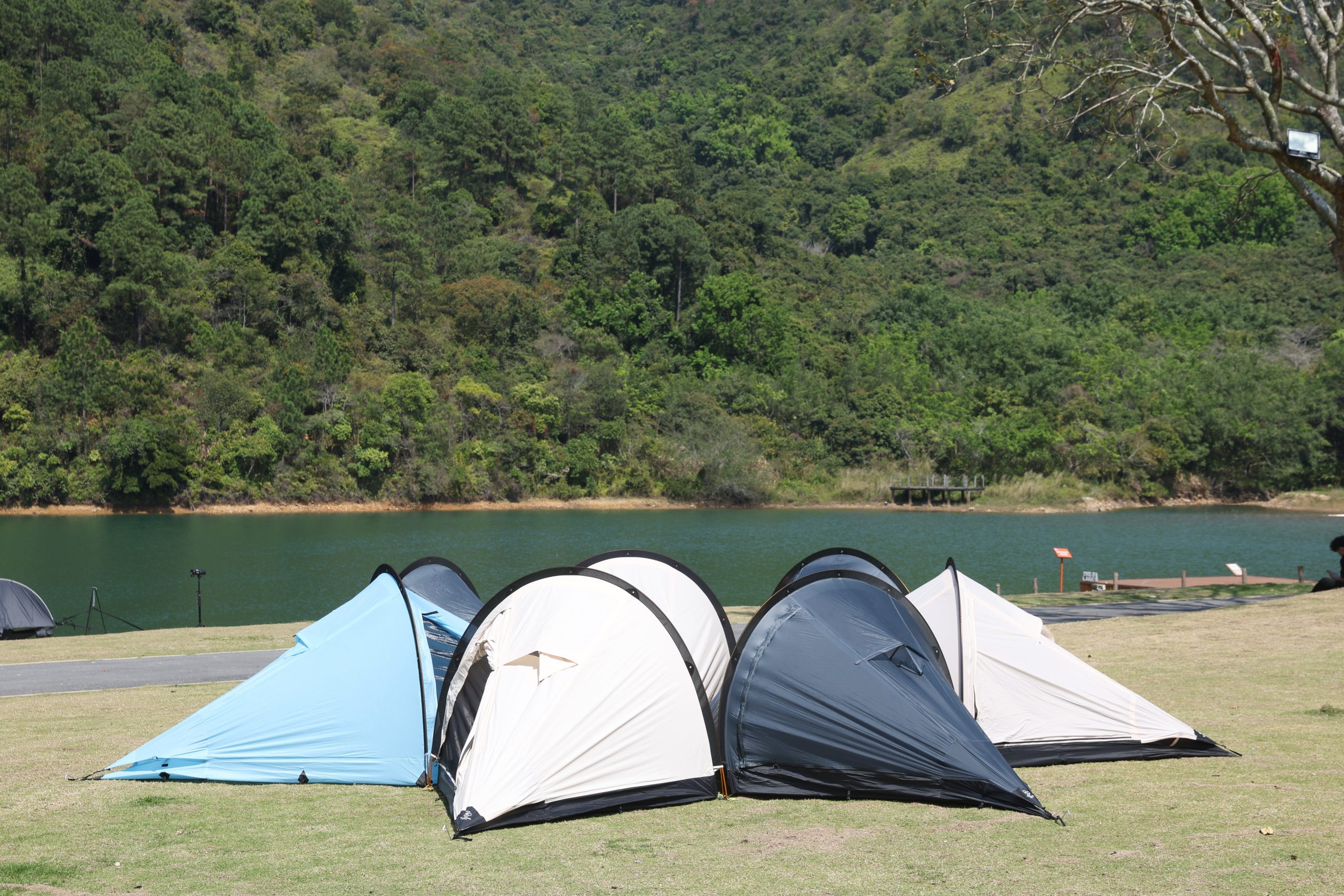
Facing the Problem First
Small tears, busted poles, and flysheet leaks ruin a night faster than rain, right? Start by accepting the problem: lightweight tents are built for low weight, not for punishment. I learned this after guiding in rainy seasons and testing shelters on exposed coastal gusts; a simple, well-placed wind anchor often kept the shelter upright when stakes alone failed. Before anything else, check your tent’s seams, zippers, poles, and stake points — that quick scan decides what tools and fixes you need and whether you can sleep in it tonight. Also, I follow tips from thecatal outdoor for practical gear choices that match real trail use.

Immediate Field Fixes That Work
Tear in the canopy: clean the area, apply waterproof repair tape inside and out if possible. Use small patches — big patches flap and collect water. Pole break: use a pole splint made from a tent pole section, a straight stick, or a lightweight aluminum tube held with duct tape and shock cord. Zipper jam: rub bar soap or graphite pencil along teeth, gently work the slider back and forth. Flysheet leak: seam sealant on wet seams stops slow leaks; for fast emergency repair, apply a waterproof patch under the fly then tape the outside. Stakes pulled out: shorten stake length by driving at a low angle and use guyline tension to share load.
Tools and Materials to Pack
Carry a tiny repair kit: 1–2m of strong nylon cord, a small sewing kit with heavy polyester thread and a safety needle, assorted repair tapes (silicone or poly), a tube of seam sealer, a spare pole section or splint tube, and a lightweight multi-tool. Keep these in a zip bag; worst-case repairs happen at midnight and you need everything reachable. Minimal weight, maximum effect.
Common Mistakes That Make Things Worse
Don’t over-tape fabric edges — adhesive can chew fabric if left long-term. Never use superglue on bulky fabric edges; it creates a stiff spot that tears around the glued area. Sewing with thin thread or weak knots fails quickly; match thread strength to tent fabric. Avoid replacing stakes with random metal rods — they can damage webbing. Finally, don’t ignore a small seam leak; water wicks and makes it worse by morning.
Preventive Care so Problems Start Small
Pitch on low points, clear sharp stones first, and use a groundsheet that’s smaller than the tent floor so water runs away. Tension guylines properly — too loose and the tent flaps, too tight and fabric stress causes tears. After each trip, shake out debris, air dry the tent fully, and store loosely in breathable fabric rather than a tight compression sack. Little care adds seasons to a lightweight tent.
When to Repair vs. Replace
Repair if damage is localized: small rips, one broken pole section, zipper slider issues. Replace when multiple seam failures appear, waterproof coating flakes off widely, or frame geometry is permanently bent. Also replace if repairs start adding disproportionate weight or you lose confidence in shelter safety in bad weather. Budget for parts: a replacement pole or a new fly is often cheaper and lighter than repeated field fixes.

Alternatives and Quick Comparisons
Repair kits vs. professional fixes: kits solve most trail problems and keep weight down. Professional repairs handle fabric recoating, retaping entire seams, and complex structural fixes — choose them for long-term use. For extreme winds, low-profile tarps or double-skin tents trade weight for stability. Don’t assume heavy equals stronger; design and pitch matter more than raw grams.
Final Synthesis
Fix small faults fast, prevent avoidable stress, and carry a compact kit that matches the real problems you see on trail. Practical experience, simple tools, and clear decisions let you keep the shelter light without sleeping on a worry. When you need gear that respects those realities, THECATAL shows how thoughtful design and sensible maintenance come together for dependable nights outdoors.