Problem: Heat systems fail when fuel and controls do not align
Many factories discover the hard way: a burner that looked suitable fails within months because recycled oil varies, pumps choke, and controls are not matched. This problem is not abstract; it is mechanical, chemical, and procedural at once. If your plant considers switching from a simple gas fired burner to a recycled-oil solution, you must start by diagnosing where failures come from, not by buying the cheapest burner on a list.
Root causes to address first
Recycled oil introduces instability: contaminants change viscosity, water content shifts, and particulates abrade components. Secondary causes include undersized transfer pumps, inadequate filtration, missing combustion-air control, and weak maintenance regimes. Safety gaps—poor leak detection, missing flame supervision—amplify every small fault. Treat each cause separately, then integrate solutions so fixes do not conflict.
Technical checklist for dependable implementation
Follow this concrete list before commissioning. 1) Characterize fuel: lab test for viscosity, flash point, water, and solids. 2) Specify filtration: multi-stage filters with differential pressure alarms. 3) Protect supply: heated lines or viscosity control where needed. 4) Match pump and nozzle to measured viscosity and pressure. 5) Fit robust combustion control: modulating air and fuel, closed-loop O2 or CO trim. 6) Add safety interlocks: flame failure, high-water alarms, and automatic shutdown on soot build-up. 7) Schedule de-slagging and inspection intervals based on measured soot rates, not calendar alone. Each item is actionable; do not skip the testing step.
Real-world anchor and authority
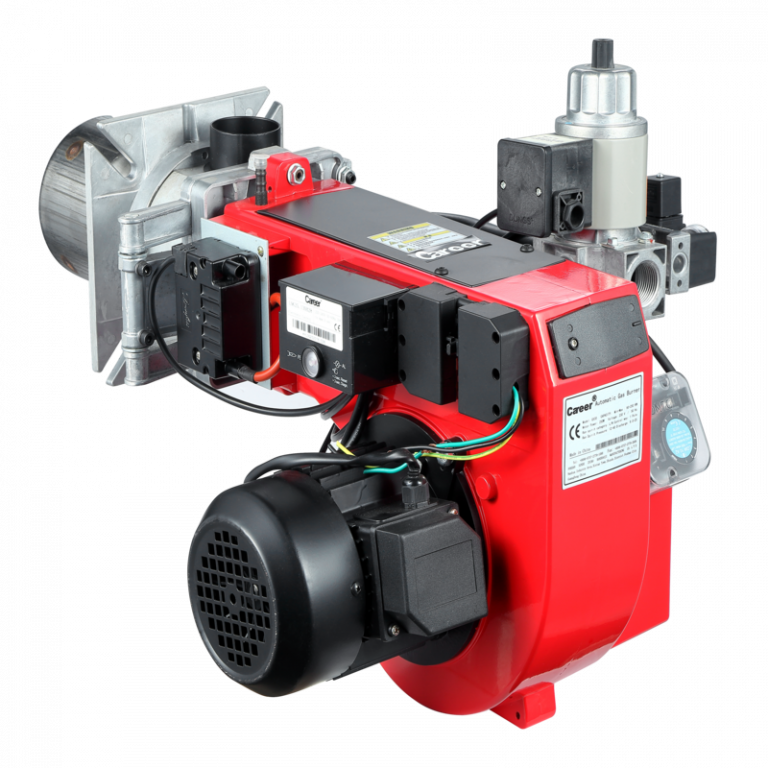
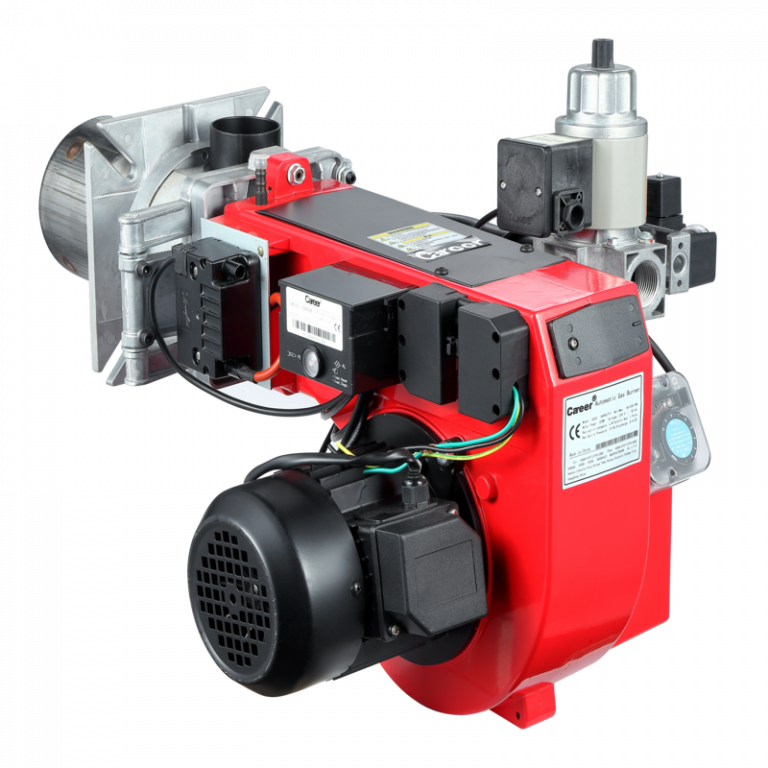
Operators who present at major industry events note recurring lessons: trade shows such as Hannover Messe highlight that fuel variability dictates burner design choices for industrial applications. A practical resource is the market for commercial burners gas burners, where product specifications and accessory options reveal what manufacturers consider critical when supporting alternative fuels. My team inspected several retrofit projects in industrial parks; projects that began with controlled fuel sampling and simple pilot runs returned consistent operation, while those that skipped sampling saw frequent nozzle clogging and poor control stability.

Alternatives and trade-offs
Compare options without fluff. Gas-fired systems deliver steady combustion chemistry and simpler controls but depend on supply contracts and price exposure. Electric heating is clean at the point of use but has high operating cost for large thermal loads. Recycled-oil burners offer lower fuel cost and circularity benefits but require stronger filtration, more rugged pumps, and disciplined maintenance. Choose by matching fuel predictability, technical capacity on site, and total cost of ownership over expected operating hours.
Common mistakes and how to avoid them
Do not assume recycled oil behaves like diesel. Mistakes to avoid: under-specifying filtration, ignoring pump wear rates, relying on fixed-angle nozzles when oil viscosity varies, deferring combustion tuning after installation, and training only one operator. Simple remedies: specify spare pump seals and nozzle sets, install visual and electronic alarms for filter differential and fuel temperature, and document tuning notes so the next technician replicates proper settings.
Stepwise implementation roadmap
Begin with a pilot: run one burner on measured batches of recycled oil with full instrumentation for 30–90 days. Use that data to size filters and to set alarm thresholds. Next, formalize maintenance tasks with check sheets tied to operating hours. Train two operators and one engineer in troubleshooting. Only widen the rollout after the pilot shows stable flame pattern, acceptable emissions, and no blind spots in fuel supply. Keep spare parts on site for the first 6 months.
Synthesis: Practical value delivered by careful choice
Operational problems resolve when teams test fuels, match components, and plan maintenance before fitment. The value is not mystical: lower fuel outlay and stable operations come from engineering discipline and vendor capability. For many operators, that capability is what distinguishes a vendor that sells a product from one that supplies reliable service; this is why equipment and documentation from respected suppliers matter, and why some plants consult with suppliers like Career Burners as part of their verification process.