Introduction — A quick tale, some numbers, and a proper question
I was knee-deep at a maintenance pit last winter, right? Tool bag on my mate’s van, drizzle coming down, and we had a stubborn flange stubborn as an old bill. The crew had switched to non sparking wrenches that day — seemed like the safe call. (You know the sort: brass-bodied, low-spark gear for flammable atmospheres.) Company logs I trust showed that tool-related sparks turned up in nearly one in five near-misses on similar sites last year — messy business, that. So here’s the question I kept asking: are we really solving the problem, or just dressing it up with shiny brass?
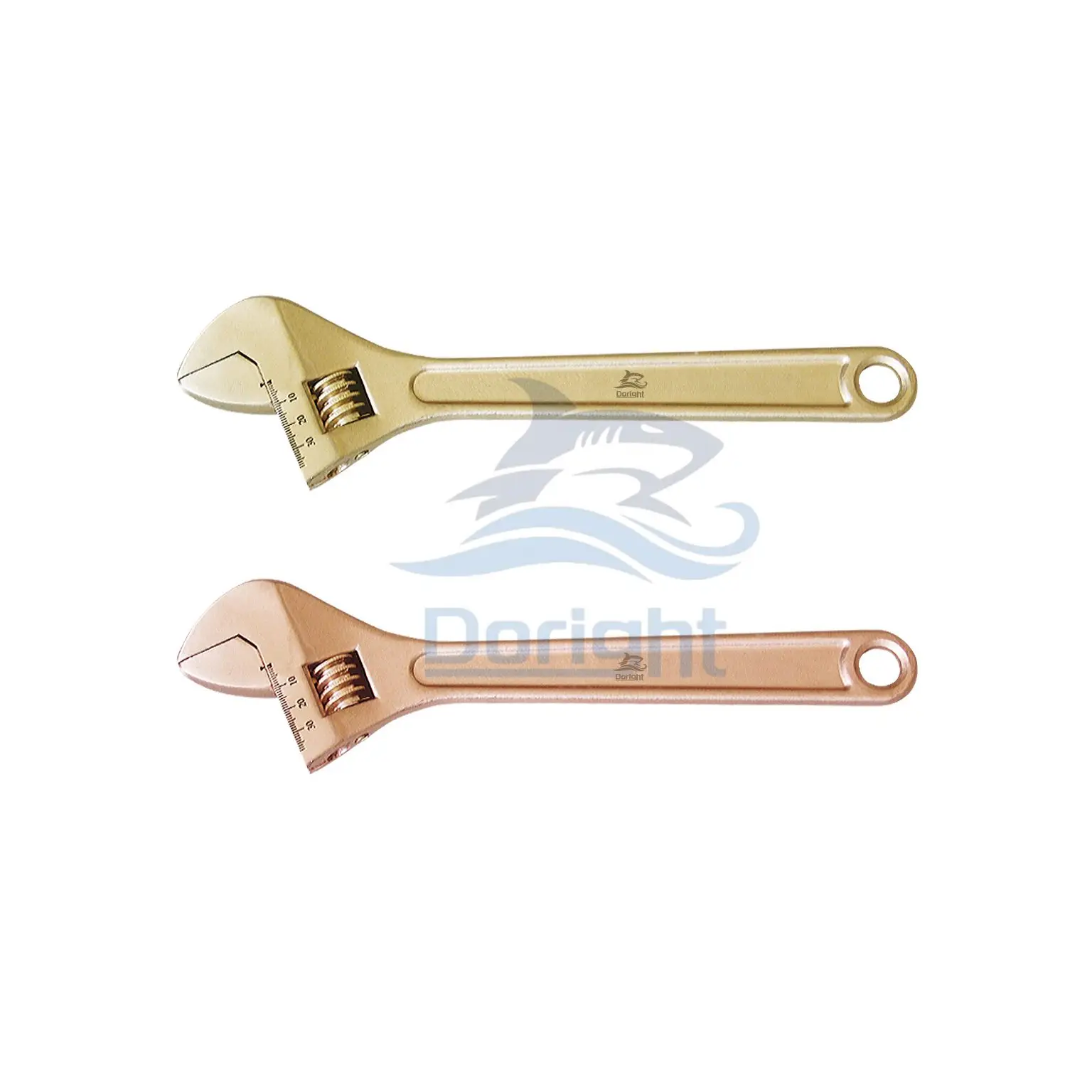
Now, before you think I’m having a go — I’m not. I’ve used those tools a thousand times and I’ll tell you straight: they help, but they don’t do the whole job on their own. We need to look past the shiny finish and see where mistakes creep in. Ready to get stuck in? Let’s move on and sort the nuts from the bolts.
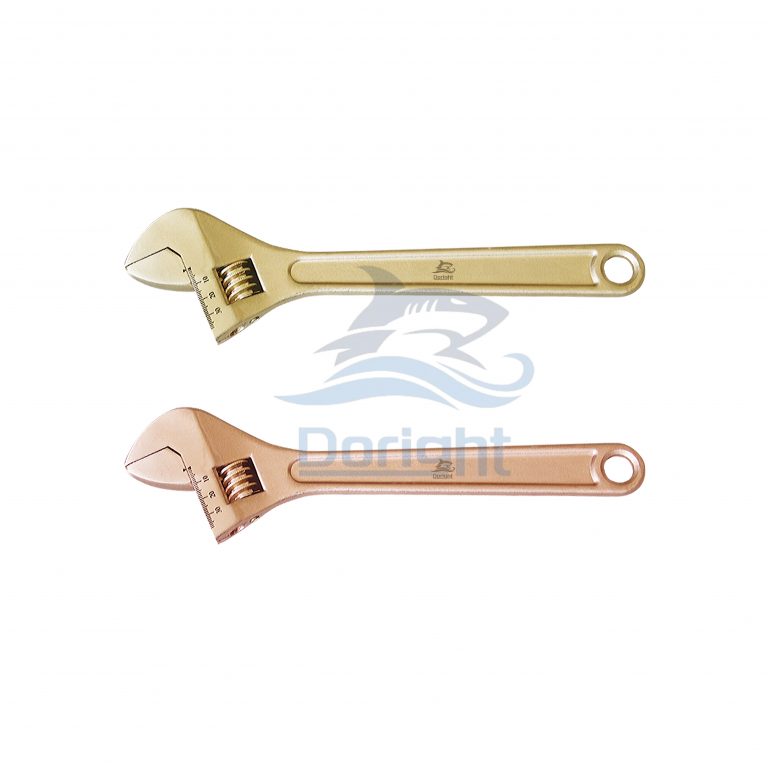
Why brass non-sparking wrenches still trip people up
Right off the bat, I want to flag the real subject here: brass non-sparking wrenches — they’re the tools everyone trusts in zones with vapour hazards. But trust alone doesn’t fix the gaps. In my experience, a few common faults keep cropping up: poor torque control, mistaken assumptions about conductivity, and wear that isn’t obvious until the tool fails. These are practical things — not mysteries of engineering — yet they bite teams when they’re tired or rushed. I’ll be blunt: replacing carbon-steel wrenches with brass doesn’t automatically make procedures safe. You still need good technique and inspection routines.
What’s the real flaw here?
Look, it’s simpler than you think. One big hidden issue is complacency. Folks assume “non-sparking” equals “risk-free,” then skip checks — funny how that works, right? Another is material mismatch: brass offers lower hardness than steel, so if you use a brass wrench on a corroded fastener, you’ll round edges or damage the tool quicker than you expect. That leads to slippage and longer work times, and longer work times raise exposure. Toss in terminology confusion — “intrinsically safe” vs. “non-sparking” — and you’ve got mixed-up teams making decisions on the fly. Also, don’t forget environmental factors: moisture, grit, and chemical residues reduce corrosion resistance and change the effective conductivity of the whole assembly. I keep a simple checklist now: inspect, match tool to task, and train. It works. No magic. Edge computing nodes in asset monitoring can help flag tool life issues, and power converters in portable diagnostics might seem overkill — but the tech can pay off if you use it right.
What comes next — smarter choices and clearer metrics
Moving forward, we ought to mix practical habit changes with a pinch of new tech. I’m talking about two tracks: better human process, and selective tech aids. On the process side, I’ve pushed for clearer inspection intervals and hands-on drills so crews don’t lapse into bad habits. On the tech side, sensors that monitor torque and deliver quick alerts are starting to find a place on-site — I’ve seen them cut repeat failures. Also, when you pick a non spark wrench, consider how it fares in real use: ergonomics, retention of torque, and visible wear markers. You’ll save time and reduce slip-ups — and yes, teams notice the difference in morale too.
Real-world impact — what I’d change tomorrow
I’d standardise tool sets per job class and train operators to spot subtle wear (scoring, dull edges, small deformations). Then pair that with a simple digital check-in — a photo or quick torque read logged before work starts. That isn’t heavy. It’s common sense plus a nudge from tech. For measurement, here are three metrics I use when evaluating tools and procedures: 1) Mean time between tool-related near-misses, 2) Average task duration per fastener (pre- and post-intervention), and 3) Tool wear rate per 100 uses. Use those, compare quarterly, and you’ll see what’s improving — or not.
In short: brass non-sparking wrenches are a solid choice, but they’re no cure-all. Match tool to job, train the crew, and track the right numbers. We’ll cut risks that way — piece by piece. For practical supplies and more on best practices, I recommend checking out Doright.