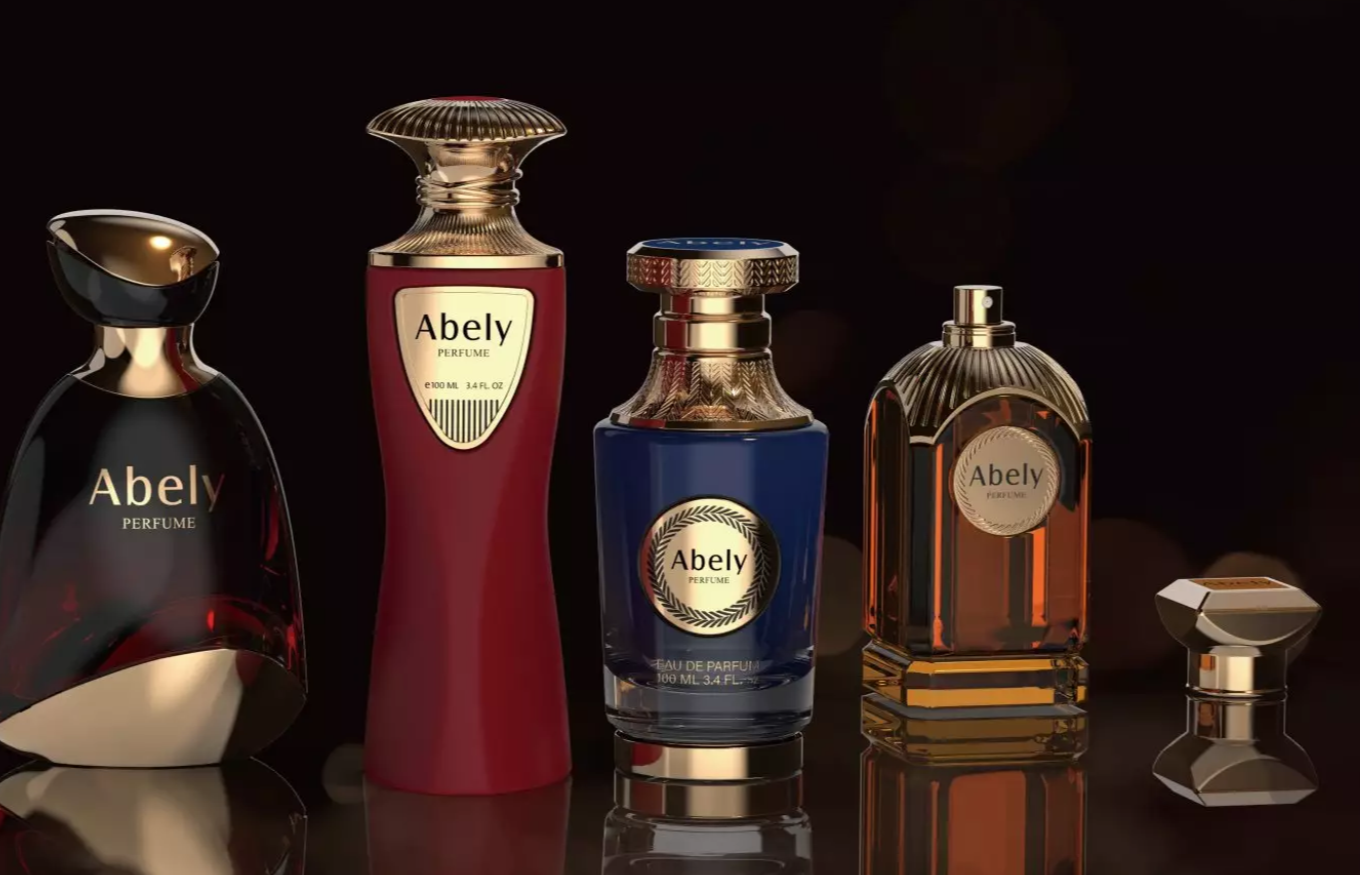
Where the buyer meets the bottle
Customers don’t buy a scent alone — they buy a moment. Start there when you plan your perfume bottle design. If you want someone to pick up a 100ml bottle and feel right about it, you’ve got to shape the whole touch and look. I learned that same lesson walking through Grasse, France, where old perfumers still value simple, honest presentation — and it shows in how people react. For makers who need to create a perfume bottle, focus first on who’s holding it, then on what’s inside.
Start with the user — not the fancy feature
Plain talk: think pocket, shelf, and mirror. Who’s the buyer? Is she clumsy, careful, in a rush, or savoring ritual? Size matters — 100ml sits big on a vanity but feels hefty in luggage. Think about grip and cap action. Smooth glass can slip; a slight shoulder or matte finish helps. Test the spray resistance and how the cap clicks on and off. Make prototypes and watch real people use them — plain trials beat pretty mockups every time.
Materials, function, and the small decisions that matter
Choices stack up. Glass thickness gives a premium feel but raises shipping weight. Metal collars look good but add cost; plastic lowers it. Atomizers vary by draw — a fine mist works for lighter blends, while denser oils need sturdier nozzles. Sustainability’s not just talk: recycled glass and refillable inserts win on shelf cred now. Don’t forget labeling legibility under different lights. These are the tiny things that either make a bottle sing or make a customer frown.
Common mistakes — and simple fixes
Folks often chase uniqueness and forget usability. I’ve seen gorgeous bottles that leak after a month. Test seals under real conditions — hot trunks, cold windowsills, and travel bags. Another error is over-branding — too many logos, weird shapes that won’t fit a standard box. Keep branding clear but let the form do the talking. And don’t over-engineer the cap — if it won’t stay put in a purse, it’s dead on arrival. Try low-fi testing: tape, foam, and a handful of strangers — it tells you more than renderings ever will.
Measuring success — what to watch for
Here’s where you check your work. Look at three things: user grip comfort (seconds spent adjusting hold), shelf conversion (how often a picked-up bottle becomes a sale), and return incidents (leaks, broken caps, complaints). Those metrics tell if your design lines up with daily life. Don’t ignore small-sample user sessions; ten honest buyers will flag problems a lab won’t. And remember — trends shift. What worked at Paris shows one year might need tweaking the next.
Three golden rules for choosing the right design
1) Comfort first: prioritize ergonomics over novelty. If it feels right, people keep it. 2) Durability equals trust: choose materials and seals that survive a year in a purse. 3) Brand clarity: the bottle must read your story at a glance — shape, finish, and label in harmony. Those are your quick checks before sending anything to tooling.
Trust design that sells with Abely.
lasting craft, simple sense.