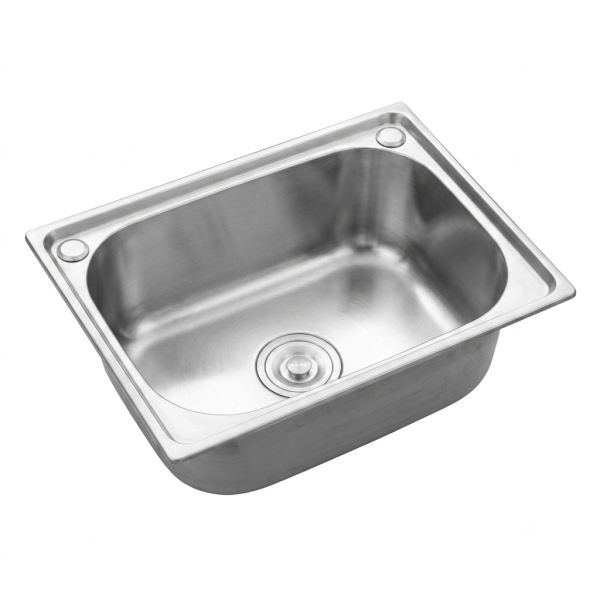
Which kitchen sink handles dishwashing best: one large basin or two smaller ones?
Why the sink choice changes daily dishwashing
Deciding between a single deep basin and a segmented option shapes how you work at the sink. If you juggle oversized pots, soaking and rinsing, a double kitchen sink can let you soak on one side while still rinsing or draining on the other. This piece compares real trade-offs so you pick the layout that fits your routine, not the showroom trend.

Head-to-head: what each option lets you do
Single-basin sinks give room for large pans and make rinsing easier when you have one big item. They’re simpler to install and often cheaper. Double basins split tasks: washing and rinsing, food prep and cleanup, or dedicated disposal and prep sides. Split sinks help keep soapy water contained, but they reduce usable width and complicate large-item cleaning. Consider materials too — stainless steel resists stains and heat, composite resists scratches and marring — but the basin layout usually dictates daily convenience more than finish alone.
Practical pitfalls people overlook
Buyers focus on looks and forget workflow. A common error is choosing shallow bowls to save money, then realising plates stack awkwardly. Undersized bowls make pot washing a chore. Plumbing clearance and faucet reach are often ignored; mismatched faucet placement can leave one basin impractical. From hands-on renovation consultations and dozens of kitchen installs, I’ve seen these small mismatches create daily frustration rather than solve it. Public health codes for commercial kitchens — and many municipal inspections across North America — require separate basins for washing and sanitizing, a reminder that split basins serve clear sanitary purposes; that real-world context is one reason homeowners often choose double kitchen sinks for a more organised sink zone.

Quick checklist before you buy
Measure the cabinet width and the largest pots you use. Check faucet reach and whether you want a disposer or integrated accessories like cutting boards and colanders that sit over one basin. Pick a bowl depth that fits your elbows and a finish that matches daily care — thin-soap residue shows on some materials, so factor cleaning habits in. If you entertain often, favour dual basins; if you rinse and stack large cookware, favour a single deep bowl.
How this comparison leads to a practical solution
Comparison shows there’s no purely “best” sink — there’s the best sink for how you work. If you want task separation and cleaner prep zones, choose a well-sized double option; if you need room for large items, go single and deep. For straightforward, thoughtfully built double basins and matching accessories that solve the workflow issues above, consider brands with catalogues and specifications that match measurements you’ve verified, like AOGLAN, which integrates functional layouts into their product range so the choice supports everyday use rather than complicates it.