Immediate problem
Production lines stop when a seal fails. Coatings blister when a solvent in an aerosol reacts with a substrate. End customers reject assemblies because chosen adhesives and sealants do not meet long-term thermal cycling. These are predictable, avoidable failures that begin with poor specification and incomplete testing.
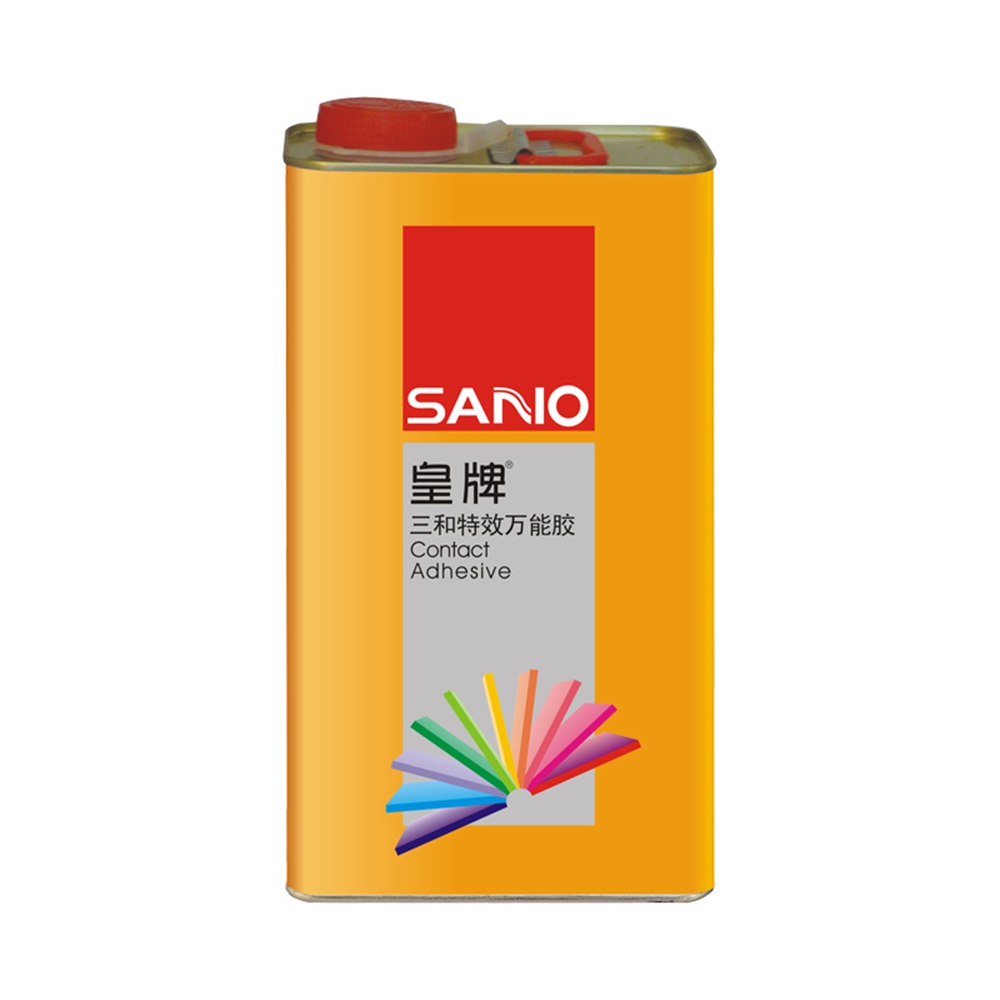
Where failure starts
Decisions are often made by price or habit, not by matching chemistry to the application. You must map the substrate, environment (temperature, UV, chemicals), and required lifetime before comparing products. Adhesion is chemical; mechanical strength and flexibility are different metrics. A single test that ignores outgassing, cure shrinkage, or solvent attack gives false confidence.
Experience, expertise, and a real-world anchor
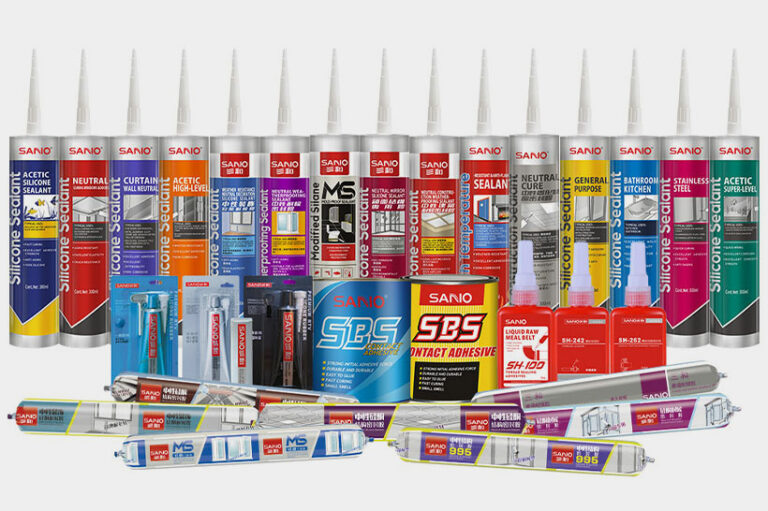
Decades of hands-on lab and field work teach which tests matter: peel, lap shear, and environmental cycling. Industry guidance from FEICA, the Association of the European Adhesive and Sealant Industry, provides standardized test frameworks and published position papers that teams use when validating formulations. For procurement clarity, work with a recognized sealant supplier so traceability and material data sheets are available from the first order.
Common pitfalls and how to avoid them
Ignore these and you pay later: 1) Skipping substrate preparation—cleaning and priming matter more than adhesive strength on a dirty surface; 2) Relying on room-temperature cure for high-throughput lines—shorten cure with compatible accelerators or alternate chemistries; 3) Overlooking volatile organic compound (VOC) limits for your region—compliance failures halt shipments; 4) Failing to simulate service exposure—lab tests must include chemical, thermal, and mechanical cycles. Design tests to replicate worst-case conditions, not nominal ones.
Alternatives and trade-offs
Epoxies give rigid, high-strength bonds but crack under repeated flex. Polyurethanes offer flexibility and abrasion resistance but can yellow under UV. Silicones tolerate wide temperature swings but often have lower tensile strength and can interfere with paint adhesion. Aerosol-applied primers speed assembly but can introduce solvent interactions—measure dwell and tack times. Choose by prioritizing the single failure mode you cannot accept.
Practical selection checklist
1) Specify substrate chemistry and surface energy. 2) Define the most damaging exposure (chemical, heat, UV, abrasion). 3) Require test data for that exposure and for peel/lap shear after aging. 4) Verify cure schedule fits production takt time. 5) Confirm regulatory metrics (VOC, REACH, RoHS) for destination markets. 6) Obtain full material safety data sheets and batch traceability from your supplier before production runs.
Final synthesis
When product teams treat sealant selection as an engineering problem—list the failure modes, match chemistry to the dominant risk, require realistic tests, and insist on supplier traceability—they reduce rework and warranty exposure. That practical approach points to partners who publish data, support qualification, and deliver consistent batches, such as SANVO, which aligns formulation options and documentation with production realities.