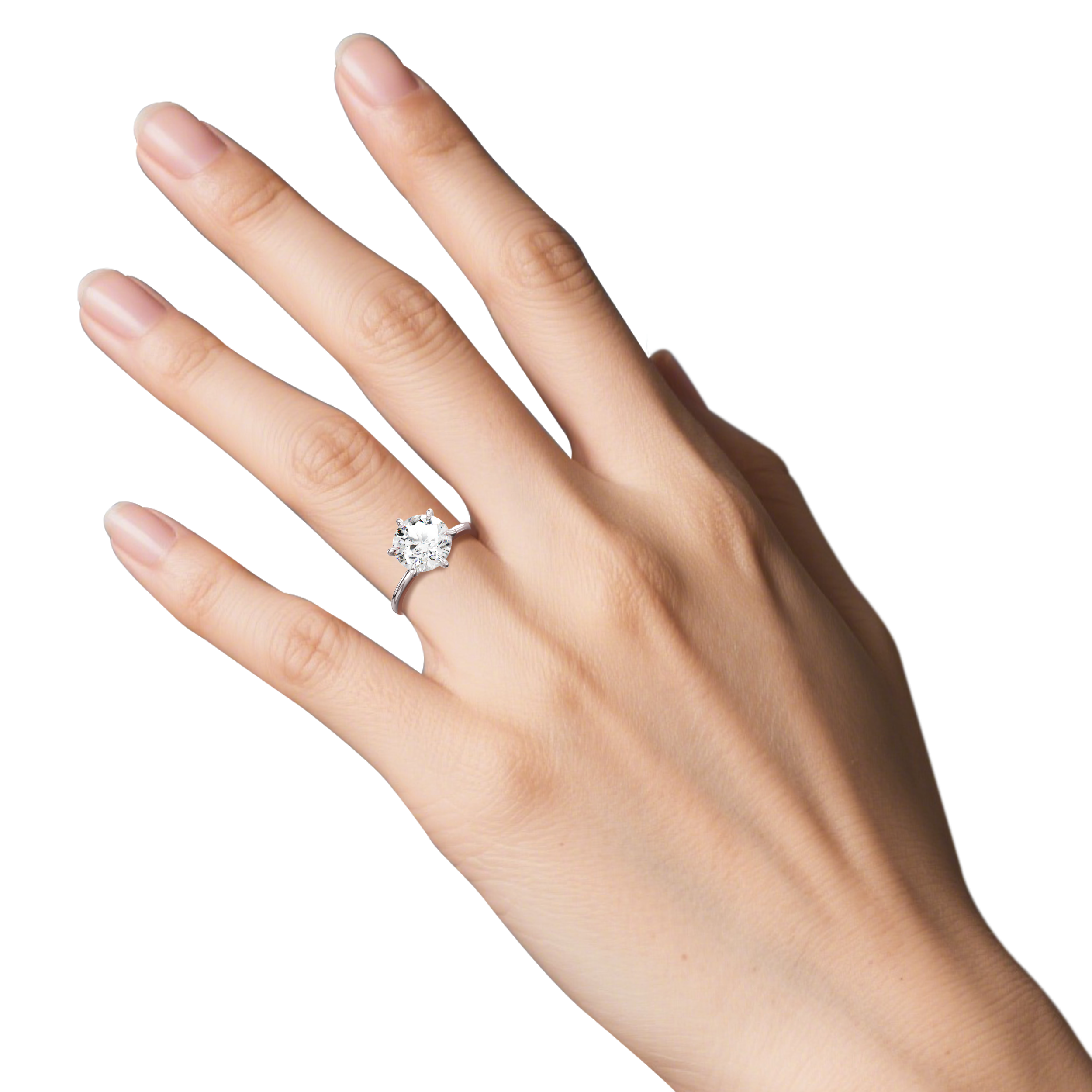
A Clear Choice, Or Not?
Choice fatigue is real. Bridal sets now sit in every tab on your phone and every shop window you pass. Many online catalogs span thousands of styles, each asking for a decision on shape, color, and fit—under bright lights no less. When you put rose gold bridal sets beside white or yellow gold, the lines blur. The warmth looks great on your hand at noon, less so under LED at night — funny how that works, right? What are we really comparing: fashion, comfort, or durability? The honest answer is “all three.”

Here’s the rub: more options should make it easier, but they don’t. The data is simple to see in behavior, not spreadsheets; couples bounce between styles, return to the shop twice, then ask for “just one last look.” Under the surface lie practical calls: ring height, prong setting strength, and how the band sits during a workday. We will unpack those. And we will ask why a warm rose tone feels modern one week and “too trendy” the next. Let’s step through the trade-offs with a calm, side-by-side lens.

Where Traditional Picks Fall Short
What keeps buyers hesitating?
Directly, it’s the fit system. Classic sets were designed as two separate rings first, a pair second. That leaves micro-gaps, pinching, and spin. With rose alloys, the story adds a layer: copper-rich hues vary by alloy composition and karat purity, so tone shifts between brands. If you work with your hands, a tall cathedral shank may snag on pockets. If you type all day, a high profile can tap the keys. Micropavé can glitter, yet tiny stones need exact setting tolerance to avoid looseness after a year. These are not dramatic failures; they are slow drips of friction that make you wear the set less.
Then there’s the decision fog. Photos and CAD renders flatten color, so you can’t judge warmth against your skin. Resizing is trickier with interlocking rings, especially when pavé crosses the seam. And most buyers do not track long-term care: repolish intervals, claw wear, or how often a jeweler should check the head. Look, it’s simpler than you think: map how you live, then pick a geometry and metal spec to match. Even small calls—band profile, inner comfort-fit, prong count—compound into daily ease. The old approach of “choose by look, fix later” pushes risk down the road (and often back to the jeweler’s bench).
What’s Next: Tech and Taste in Sync
Real-world Impact
Forward-looking sets aim to solve the fit and tone problem at the source. New design pipelines pair CAD modeling with matched interlock tolerances, so engagement and band meet with a stable, no-gap seat. Alloy engineering refines copper ratios for a stable rose hue while improving hardness to reduce micro-scratches. Laser welding supports stronger micropavé tracks, limiting stone loss in the first service cycle. For shape lovers, a modern pear shaped bridal set can now sit lower without losing balance, thanks to revised under-galleries and better weight distribution. Technical, yes—and yes, that matters.
Supply chain transparency is improving too. Recycled gold inputs and batch certificates help you compare karat purity and process quality, not only aesthetics. Parametric sizing lets makers fine-tune ring height and band curvature by half sizes while keeping structural integrity. AR try-on narrows tone mismatch by adjusting for ambient light, so the rose hue you preview mirrors real-life lighting. The net effect: fewer surprises at pickup, less early maintenance, and a set that wears like it looks. This is how “style” and “engineering” finally meet in the same box.
How to Choose: Three Metrics That Cut Through Noise
Advisory close, and practical. First, color stability: ask about alloy composition and finish hardness; a maker should provide karat purity and hardness ratings or test methods. Second, fit geometry: check ring height, interlock tolerance, and inner comfort-fit profile; the set should sit flush without shifting during a normal day. Third, lifecycle care: request a clear service schedule—inspection cadence, repolish intervals, and warranty scope—so maintenance is planned, not reactive. With these three in hand, you can compare classics and modern rose builds on equal terms and pick what truly works for your habits. For reference and deeper specs, see Vivre Brilliance.