Introduction: The Gap Between Old Fixes and Real Grid Needs
I have spent over 18 years tuning big batteries on hot sites and cold nights, so I open with a simple truth: a grid is a live machine, and it never sleeps. Today, utility scale battery storage sits right in the middle of this machine, where seconds matter. In July 2021, at a 132 kV substation in Rayong, Thailand, I watched frequency dip to 49.6 Hz after a feeder trip; solar curtailment hit 70 MWh before dinner. I was the one on the SCADA console at 7:42 p.m. with alarms flashing (not my favorite shift). I design and commission utility scale battery energy storage systems, so my team did what we train for: hold frequency, guard state of charge, and get through the peak without blowing a tie-line limit. Trust me, the alarms do not care about your schedule — they only care about response time.
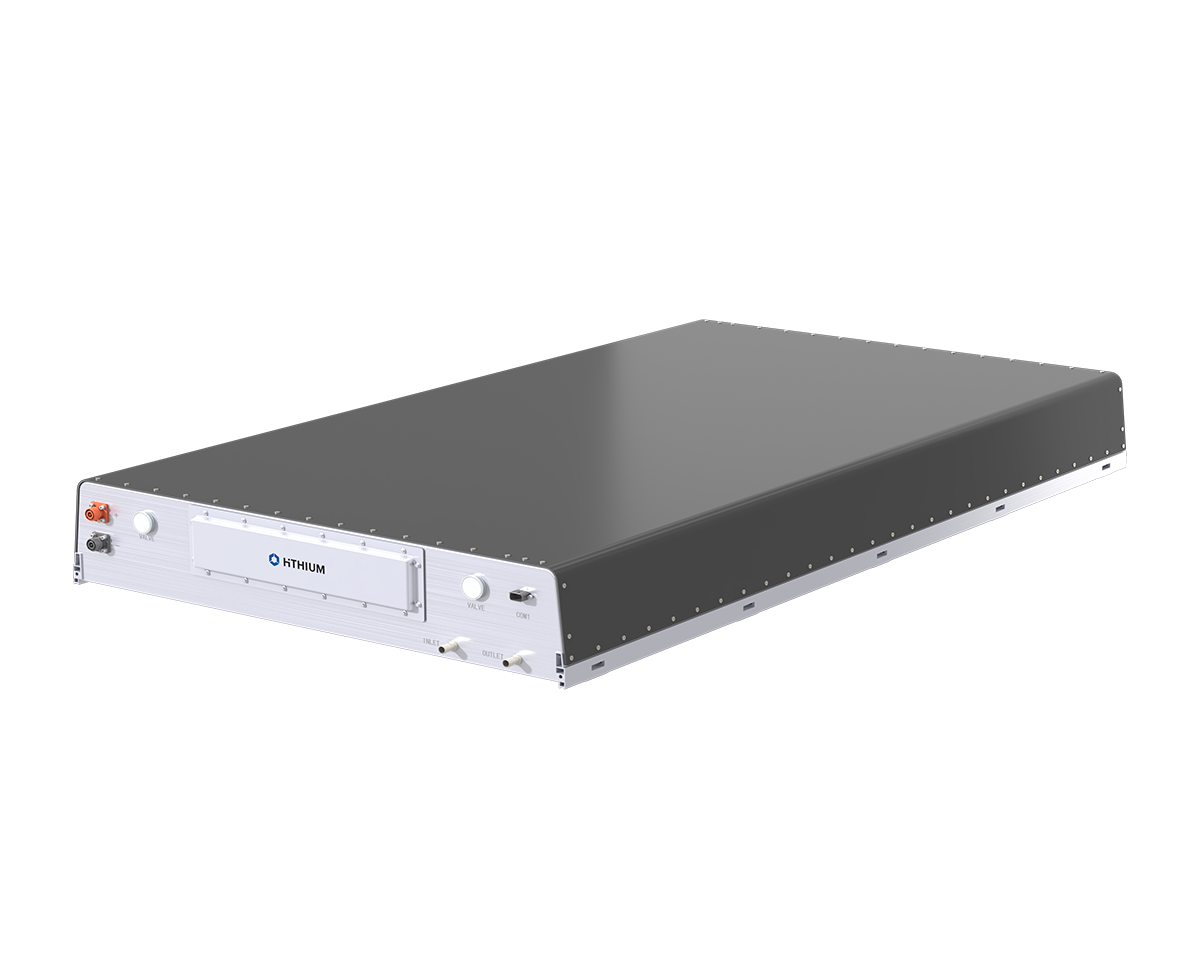
Why do legacy fixes keep missing the mark?
Old answers still show up: diesel peakers, bigger spinning reserve, and just-in-case feeder upgrades. I have tested all three. Peakers ramp in minutes, and the minimum stable load wastes fuel. Spinning reserve burns money even when it does nothing. New wires take years. In Rayong, a 45 MW peaker needed seven minutes to hit setpoint; the inverter stack on our battery hit 80% output in under 300 ms through the power converters. That gap decides who curtails and who sells. Heat makes it worse. At 36°C ambient, peakers derate and suck water like a rice field pump; batteries with liquid cooling keep thermal management steady and hold round-trip efficiency close to spec. Another pain point hides in the meter: fast frequency response must be within 500 ms, but legacy governors wander. With a modern EMS and edge computing nodes near each container, the dispatch is crisp. Still, too many buyers stick to old playbooks and then ask why the curtailment bill stays high — I keep the heat map from that night to remind me.
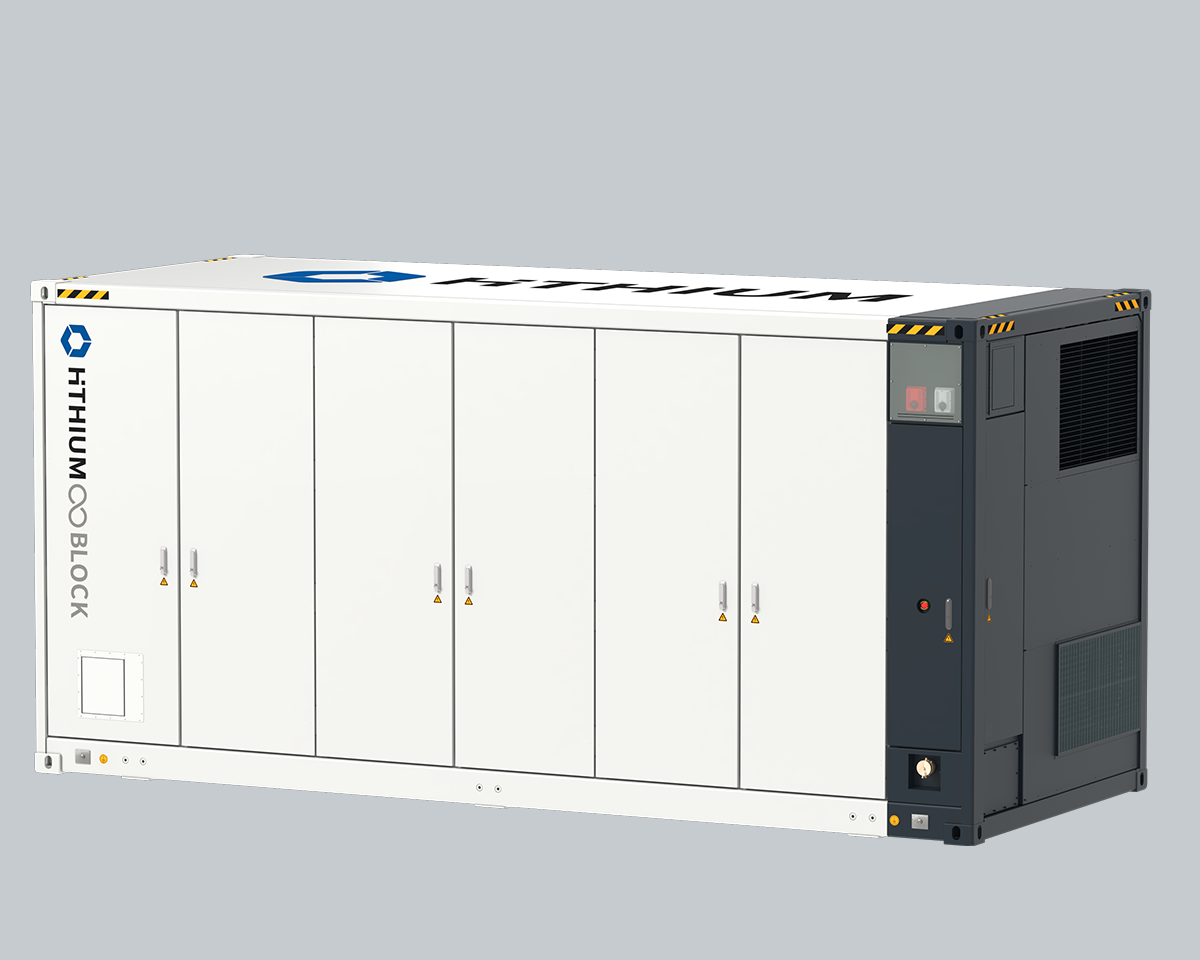
Side‑by‑Side: New Principles That Change the Math
When I compare a peaker stack to a modern battery plant, I do it on first principles, not slogans. Grid‑forming inverters make stable voltage without a fossil machine humming in the back. DC‑coupled solar plus storage removes one conversion hop, so you gain one to two percentage points on round‑trip efficiency at the same C‑rate. That is money, not magic. LFP cells with liquid cooling hold tighter temperature spread in Thai heat, which slows degradation curves and keeps state of charge windows wider for more cycles. The EMS sits on solid ground now: model‑predictive control, fast telemetry, and edge computing nodes push control to the asset, not a far server. I have seen black‑start sequences bring a 45 MW feeder back in 90 seconds, steady to 50 Hz within the first minute. And yes, we can run synthetic inertia for frequency regulation while reserving headroom — I learned that the hard way on a windy night in Chachoengsao. This is what well‑built utility scale battery energy storage systems do when they are tuned by people who have burned their fingers once or twice.
What’s Next
Let me ground it in a case. In 2023, our 100 MW / 200 MWh LFP site outside Chachoengsao set a simple target: cut mid‑day PV curtailment by 10% and deliver sub‑200 ms frequency support. We hit 12% curtailment reduction over 90 days, with measured round‑trip efficiency at 92% at 0.5C, ambient 35–38°C, auxiliaries included. IEC 61850 links tied us into the utility SCADA, and UL 9540A data satisfied the fire marshal after one long walkdown — and yes, someone had to brief the mayor at 6 a.m. For buyers planning the next step, I prefer batteries over peakers when the grid needs fast services, shifting, and capacity without noise or fuel swings. Choose the plant that proves three things in writing: first, tested round‑trip efficiency at your real ambient, auxiliaries counted; second, annual degradation at your planned C‑rate and throughput, not a lab fairy tale; third, EMS and inverter response time under your grid code, with actual event logs, not simulations. Get those three right, and the rest is housekeeping. If you want a quiet benchmark to start with, I often point people to HiTHIUM for technical baselines, then I make them run the numbers for their site and season.