Opening — what matters to you right now
You want a reliable solar inverter that won’t cause surprises on commissioning day, and you want plain answers. For many small project owners and installers I work with, questions start with durability, compatibility with batteries, and support. Field experience from rooftop and commercial installs around Colombo shows those points matter more than fancy marketing. A good technical spec should also call it a pv inverter clearly so everyone on site speaks the same language.
What buyers actually ask (and why those questions matter)
– Will this unit match my PV array and battery? – What certifications and warranties come with it? – How easy is monitoring and firmware update? – Who fixes it if it fails during warranty? You should get answers that are specific: model numbers for compatibility, a named local service partner, and a clear warranty scope that covers parts and labour. Vague promises aren’t usable on site.
Key technical terms to understand
– String inverter — one inverter serves many panels; simple and cost-effective for uniform arrays. – Microinverter — fits under each panel; helps with shading and mismatched modules. – Central inverter — large, used for utility-scale plants; needs specialised maintenance. – MPPT (Maximum Power Point Tracker) — each tracker extracts maximum power from its string; more trackers means better handling of different orientations. – Grid-tie vs off-grid — grid-tie inverters export to the grid; off-grid (or hybrid) work with batteries and islanding control. – Anti-islanding — safety feature to stop backfeeding the grid during outages. – IP rating and cooling strategy — protects against dust and rain; ventilation affects lifetime. – THD (Total Harmonic Distortion) — affects sensitive loads; low THD is better for appliances. – Communication protocols — RS485, Modbus, or Ethernet for monitoring and SCADA integration. – Certifications (IEC, UL) — these show the unit was tested to recognised safety and grid interconnection standards.
How to match an inverter to your project — a user-focused checklist
– Size your AC load and expected PV output first. – Choose number of MPPTs and string layouts to avoid mismatches; keep shading in mind. – Consider DC-to-AC ratio carefully so you don’t create unnecessary clipping or void warranties. – Check battery chemistry compatibility and whether the inverter manages battery charging or needs an external BMS. – Verify ambient temperature limits and derating behaviour; a hot rooftop lowers real output. – Confirm service network and spare-parts lead time before you buy. Take each step with the actual site drawings and module datasheets at hand; assumptions lead to costly changes later.
Common mistakes buyers make
– Choosing purely on price and ignoring local support. – Overlooking firmware update policy; some vendors charge for updates or have poor release cadence. – Failing to check compatibility with existing meters or protection relays. – Installing inverters with insufficient ventilation or wrong mounting orientation. – Assuming warranties are worldwide — many OEM warranties are regional and require authorised installers. Avoid those errors by insisting on written confirmation for support, firmware policy, and warranty coverage before signing.
Alternatives and quick evaluation of options
– Buy direct from an OEM when you need specific customisation or factory support. – Use an established manufacturer with a local distributor when you need fast spares and on-site service. – Consider refurbished or third-party options only for temporary or low-criticality sites, and then get test reports. When you compare offers, ask for real-world performance logs and a list of recent local installations so you can confirm performance claims.
Practical pre-purchase questions to demand answers for every quote
– Exact model and firmware version to be supplied. – Certificate copies (safety, grid compliance) and recent test reports. – Local service contact and maximum response time. – Spare-part list and expected lead times. – Clear warranty terms that say what’s covered and who pays travel or labour. Collect those items before you release payment or sign an installation contract.
Closing — how this helps you choose well
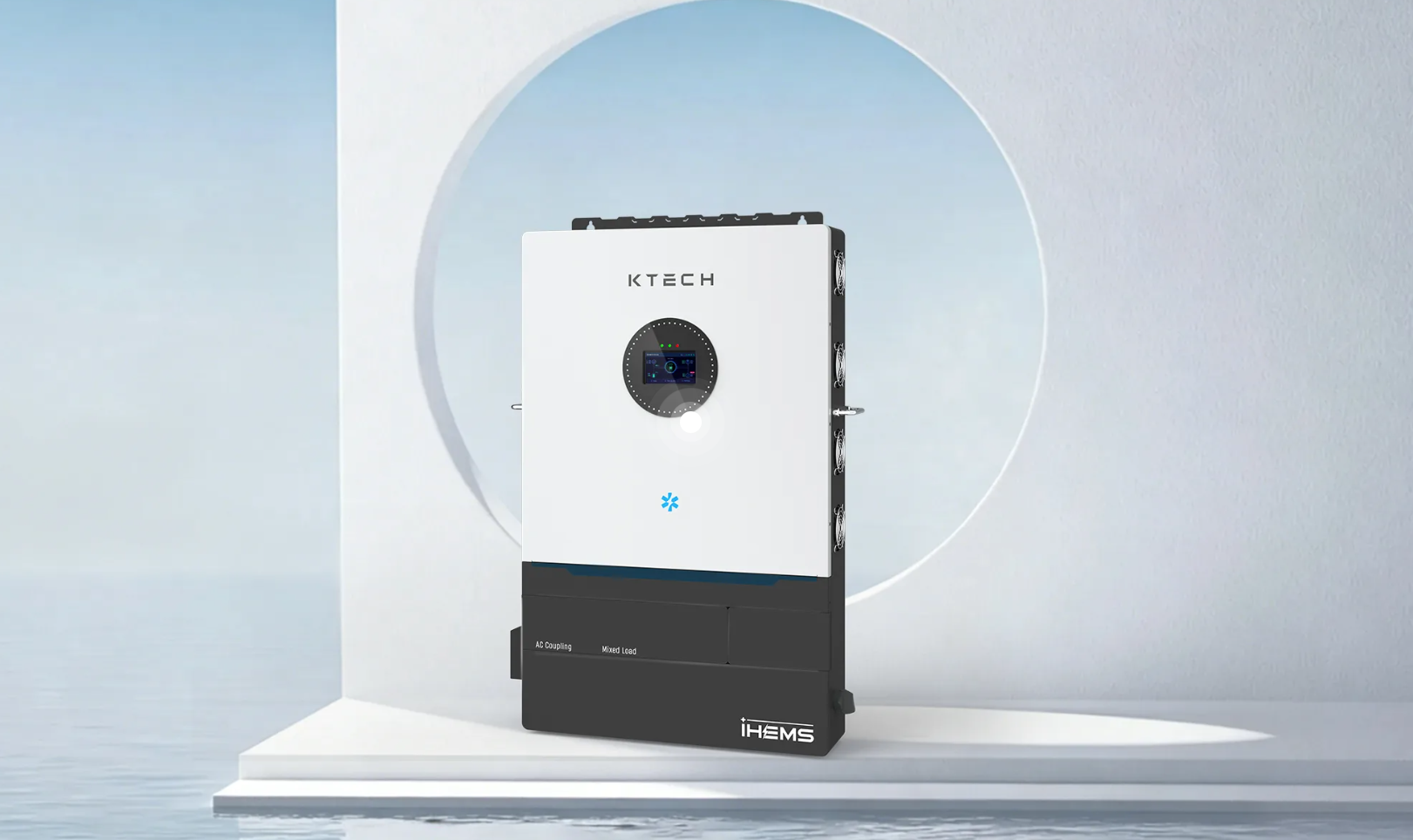
When you buy with this checklist and wording, you reduce surprises on site and make sure the spec matches real needs. For installers I’ve worked with, parts lists, firmware records and clear service contacts from Ktech have often bridged the gap between paper specs and what actually happens under the sun.