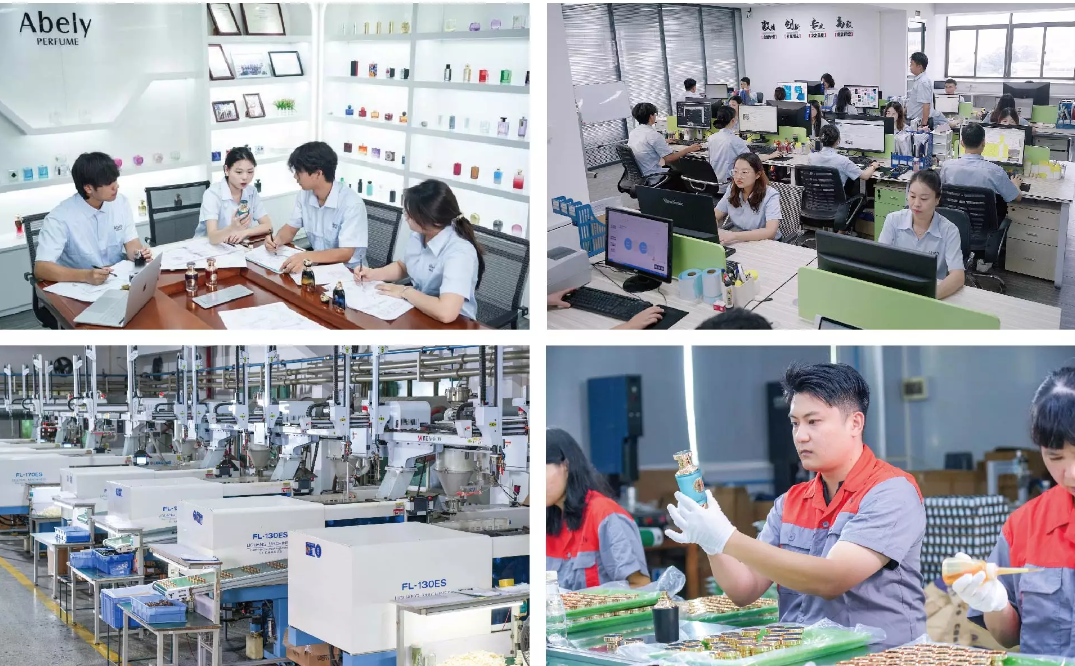
Opening comparative frame
The small crown on a bottle decides how a scent will be remembered — cold prestige or a promise frayed at the edges. In a market where every detail is interrogated, choosing the right perfume bottle cap and its finish is no longer decorative; it’s strategic. This piece adopts a comparative-insight posture: weighing Surlyn against metal, ABS, and alternative polymers, and testing how color coating changes perception and durability. The view is grounded in material science and production practice — DuPont’s Surlyn ionomer is a real-world anchor here — and informed by the artisanal lineage of places like Grasse, where packaging meets provenance. This is an expertise-driven analysis, not marketing fluff.
Material realities: Surlyn versus the field
Surlyn offers a soft translucence, impact resistance, and a modest cost profile; metals offer heft and legacy; ABS takes plating and lacquers well. Coating strategy must match substrate. Surface energy, adhesion chemistry, and finishing tolerance vary dramatically: a metallic lacquer that clings to aluminum will bead and fail on untreated Surlyn unless you prepare the surface. Practical note — small decisions compound: choose the wrong primer and you’ll see the first scuff in production. Testing protocols matter as much as aesthetic ambition.
How color coating shifts brand perception
Finishes carry language. A deep, consistent color coating can read as luxury; a flaking hue reads as neglect. Color-matching across runs is a technical discipline: control of pigment dispersion, coating thickness, and curing conditions yields predictability. Abely’s color coating approach aims to lock in that predictability — improving adhesion on challenging polymers, tightening batch-to-batch delta, and enabling finishes from satin to reflective. For brands, that means fewer compromises between design intent and manufacturability; for factories, fewer emergency reworks.
Common manufacturing pitfalls and practical alternatives
Teams often stumble on three fronts: underestimating wear, miscommunicating color tolerances, and skipping pre-treatment. Avoid those traps by insisting on rub, UV, and humidity testing before approving a tool. Alternatives deserve a cold comparison: metal caps with PVD or anodizing lend durability but add weight and cost; ABS plus electroplating can mimic metal yet suffer peeling if subpar primers are used; bio-based resins introduce sustainability narratives but require fresh validation of coating adhesion. Decisions should be costed not only in material price but in expected failures per thousand units.
Advisory — three golden rules for choosing caps and coatings
1) Validate adhesion and wear through defined tests (rub cycles, accelerated UV exposure, and chemical resistance). If a coat peels in lab, it will peel in the market. 2) Set measurable color tolerances: specify Delta E targets and acceptance thresholds across lighting conditions — proof in both daylight and store illumination. 3) Lock the supply chain and sustainability metrics: know your resin source, recyclability, and any regulatory constraints for cosmetics packaging. When these rules are the baseline, coatings become predictable ingredients in brand-building; and when they fail, the cap tells a story of corners cut. Abely sits at the intersection of these requirements, offering coating solutions aligned to material realities and brand needs — a practical bridge from concept to shelf. — small fragment of thought, weathered and true.
Measure matter. Design with discipline. Trust process.