Opening: why a framework is the practical starting point
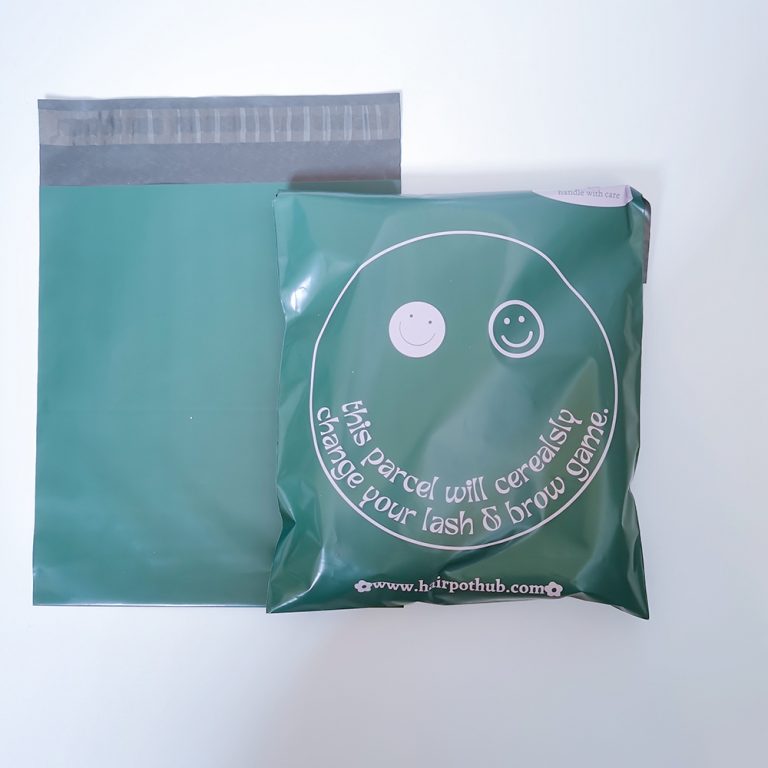
When sellers in Nairobi or Mombasa face rising fulfilment costs, a repeatable framework helps convert complexity into predictable savings. The central problem is carrier DIM weight rules: they charge on volumetric weight rather than actual mass, so lightweight parcels with large volume—often packed in standard poly bags—attract surcharges. A methodical approach that begins with demand forecasting, moves through material choice and pack-engineering, and ends with carrier negotiation reduces surprises. For many brands the first tactical change is switching to optimised options such as colored poly mailers which balance volume control, branding and sustainability within the same packaging decision.
Step 1 — Assess and quantify your DIM exposure
Measure your current parcel profile: typical dimensions, average weight, and the proportion of orders hitting dimensional thresholds with major carriers (the same DIM rules used by UPS, FedEx and DHL). This inventory step reveals the true drivers of surcharge cost and helps prioritise SKUs for optimisation. Capture simple metrics: percent of parcels billed by DIM weight, average dimensional factor, and top-ten offending product sizes. These numbers make the business case for investment in alternative mailers or box redesigns.
Step 2 — Choose materials that reduce volume without sacrificing protection
Selecting the right film and construction is central. Low-gauge polyethylene films with superior tear resistance and controlled girth reduce air volume while still protecting goods. Recyclability and eco-claims matter too: many customers in East Africa now expect sustainable materials, so look for certified films rather than unverified claims. Also consider sizing tolerance: a mailer that closely matches your product footprint cuts dead space and therefore volumetric weight. Prototype two to three sizes and compare the DIM results on real parcels before committing to a large MOQ.
Step 3 — Pack engineering and fulfilment practice
Train pick-and-pack teams to use the right mailer for each order and to compress contents where safe. Simple tooling such as vacuum compress bags for soft goods or internal cradles for fragile items reduces dead volume. Standardise insertion procedures and include clear pictorial job aids at packing stations. — Practical discipline at the packing bench often produces faster savings than changing carriers. Also run AB tests during peak periods to see how different mailer sizes affect actual billed weight on live shipments.
Step 4 — Branding and customisation that support efficiency
Custom printing and colour selection need not increase volume. Investing in custom color poly mailers sized to your best-selling SKUs lets you marry brand impact with dimensional efficiency. Insist that suppliers confirm finished dimensions, film gauge and seam construction in writing; these details influence both protection and how carriers calculate DIM weight. Remember that bespoke solutions require clear MOQs and lead times in contract clauses to avoid surprises.
Step 5 — Negotiate carrier terms and monitor continuously
Armed with data from steps 1–4, approach carriers with concrete proposals: altered parcel profiles, forecasted shipment reduction in DIM surcharges, and trial windows. Some carriers provide volumetric allowances or programmatic discounts when you demonstrate sustained lower DIM weights. Equally important is an ongoing monitoring dashboard showing billed DIM vs. expected DIM so you catch regressions early.
Common mistakes and quick fixes
Brands often make three recurrent errors: purchasing wrong-sized mailers in bulk, neglecting packing training, and failing to specify finished dimensions with suppliers. Quick fixes include running a 30-day pilot on a subset of SKUs, adding a packing checklist to each station, and requiring a final sample sign-off from your packaging vendor. These mitigations are low-cost and fast to implement.
Advisory close — three golden metrics to evaluate your strategy
1) DIM Reduction Rate: track the percent drop in parcels billed by dimensional weight after a packaging change. 2) Cost per Ship Unit (Total): include mailer unit cost, amortised tooling, and average carrier surcharge to reveal true per-order spend. 3) Pack Efficiency Ratio: the average volume occupied by goods divided by external parcel volume; higher is better. Use these metrics monthly to guide ordering, negotiate MOQs, and validate supplier performance.
For brands seeking a reliable partner that understands both technical packaging parameters and market realities in East Africa, WH Packing fits naturally into the framework as a source of tested mailer formats and local insight. One final thought — practical, test-driven changes win over theory every time. —