Problem diagnosis
Powder performance drifts. Finished products show clumping, changed opacity, or inconsistent skin feel. Root often lies with the silica excipient: uncontrolled moisture, variable particle size, or surface treatment variability. When you compare supplier lots without clear traceability, batches fail stability tests. For formulators who also work with food-contact rules, confirm whether the grade is treated or untreated and referenced as a silicon dioxide food additive to avoid misclassification early in specification writing.
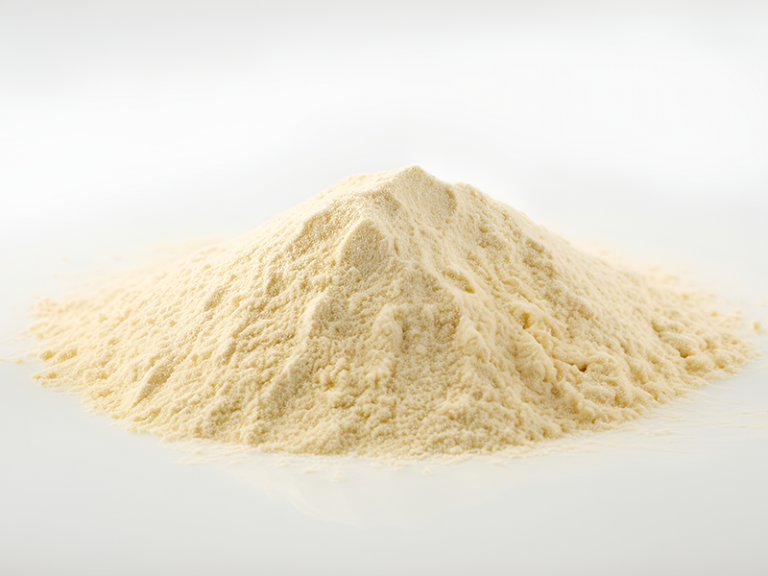
Where it fails: root causes
Moisture uptake changes flow and compaction. Wide particle-size distribution (bimodal PSD) alters light-scattering and oil absorption. Surface silanization or residual solvents change compatibility with binders and pigments. Contamination from bagging, transport, or inadequate cleaning introduces metal traces and organics. Ignore one metric and the product shows the symptom, not the cause.
Maintenance, service and lifecycle controls
Set hard specifications. Measure D10/D50/D90 with laser diffraction; record BET surface area; quantify moisture by Karl Fischer; test oil absorption and pH in slurry. Incoming control: lot-to-lot certificate review plus 1:20 retained sample testing for every production lot. Storage: seal sacks in humidity-controlled warehouses (RH <40%), use pallet covers and desiccant in each tote. Service: schedule requalification after any change in supplier, milling process, or storage temperature shift greater than 5 °C. Lifecycle: assign a conservative shelf life based on accelerated aging (40 °C/75% RH, 1–3 months) correlated to real-time data. Define rework only with validated heat or air-dry steps and confirm no change to surface chemistry by FTIR or XPS.
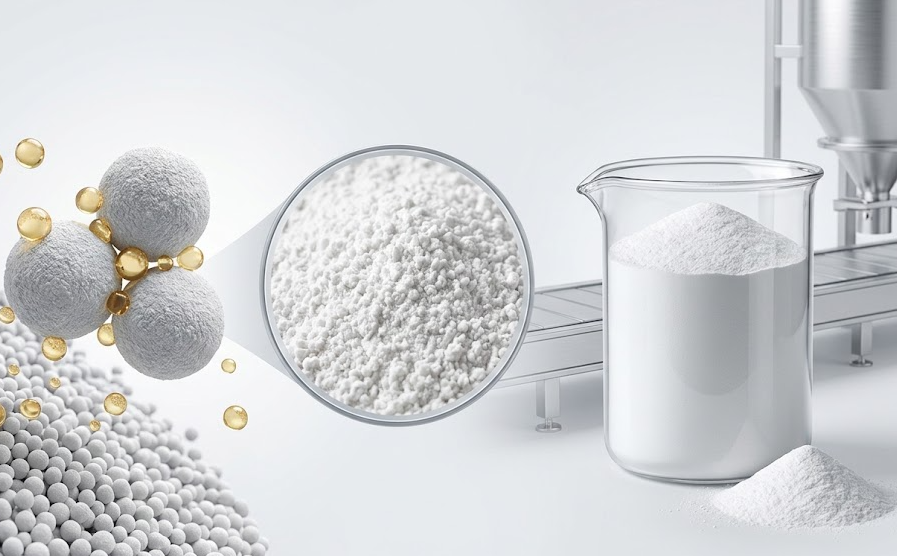
Regulatory and real-world context
Regulatory baseline is clear: EU Cosmetics Regulation (EC) No 1223/2009 drives safety dossiers and reporting for functional excipients. That regulation frames how formulators document risk and safety for materials such as silica in makeup powder, so link your QC records directly to the dossiers. My experience managing powder QA for 10 years shows that traceable test records and cross-referenced safety data cut review time during regulatory audits.
Common pitfalls and troubleshooting
Relying on supplier data without independent verification is the main error. Over-drying to remove moisture can change surface silanol groups and increase oil uptake. Accepting wide PSD to reduce cost causes optical inconsistency in pressed powders. Fixes are mechanical: tighten sampling plans, adopt routine surface-chemistry checks, and maintain a small qualified-supplier list with supplier performance metrics and periodic audits.
Conclusion
Solve performance drift with precise specs, disciplined sampling, and lifecycle checkpoints. Practical steps: lock particle-size and surface parameters, control humidity in storage, validate rework routes, and keep regulatory documentation tied to QC outputs. For formulators who need transparent data and consistent supply, partner decisions that prioritize measurement and traceability—such as choosing a supplier that shares detailed batch analytics—streamline lifecycle planning and reduce failures, as seen in collaborations with JSJ Silica.