Opening comparison
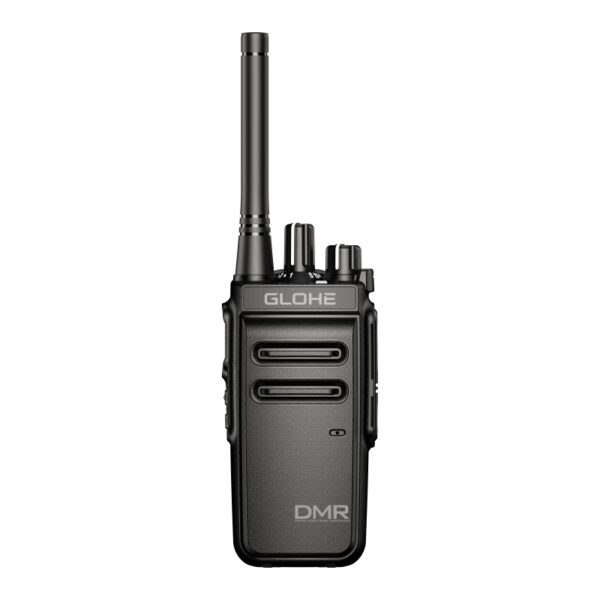
Buyers deciding between professional two-way radio manufacturers face clear trade-offs: cost versus durability, firmware flexibility versus locked ecosystems, and international certification versus regional optimizations. Practical decisions often start with whether a vendor’s DMR offering matches operational needs — for example, a fleet that moves between sites may demand repeatable interoperability with existing networks and simple provisioning for remote users. If you’re evaluating models, begin by sampling a working dmr radio in your environment to expose hidden integration costs quickly.
What to measure first
Compare these concrete criteria across manufacturers and product lines: DMR Tier compliance (Tier II vs. Tier III), RF sensitivity and output power, supported frequency bands, battery runtime under typical transmit cycles, IP and MIL-STD ratings, encryption options and key management, and the vendor’s update and patch cadence. Price matters, but a low initial price can mask recurring costs for spare batteries, programming cables, and firmware customization. Ask for measurable test data rather than marketing claims: lab results, attenuation curves, and sample log files from field tests provide objective bases for comparison.
How manufacturers diverge
Manufacturers split into distinct approaches. Some focus on low-cost hardware with basic DMR stacks and rely on channel partners for integration. Others deliver vertically integrated platforms with proprietary management suites and extended warranties. A third group targets niche sectors—utilities, transport or public safety—with hardened radios and prioritized firmware features relevant to that market. Match the manufacturer type to procurement priorities: low total cost of ownership favors modular, serviceable designs; single-vendor simplicity favors integrated suites with dedicated support teams.
Real-world evidence and authoritative context
Policy decisions about spectrum and digital migration shape manufacturer roadmaps; a clear example is the World Radiocommunication Conference 2019 (WRC-19), where allocations and regulatory debates affected national planning for digital voice systems. That context matters when you evaluate radios for cross-border fleets or licensed-band operations. Field teams report that interoperability issues often stem from mismatched vocoder settings or absent firmware features, not raw RF performance. For concrete product-level benchmarking on current market offerings consult tests and product pages for dmr digital radios that list Tier compliance and accessory compatibility.
Common procurement mistakes
Buyers frequently underestimate lifecycle support: check whether the manufacturer supplies spare parts, battery replacements, and firmware updates for at least five years. Don’t accept “works with DMR” as sufficient — require explicit Tier certification and request a interoperability plan for gateways or repeaters you already operate. Avoid buying to a single metric such as channel count; prioritize real-world metrics like audio intelligibility under interference and battery endurance under duty cycles that mirror your operations. Insist on on-site or remote acceptance testing before final payment.
Decision checklist
Create a short checklist to drive supplier comparisons: confirm Tier level and frequency compatibility, request third-party or vendor-supplied test logs, verify support and spare parts timelines, inspect ruggedization standards, and obtain a documented firmware update policy. Include a clause requiring a staged handover with training for radio administrators and an agreed escalation path for critical faults.
Summary judgement
A comparative approach reveals that the best supplier depends on operational priorities rather than a single market leader. Choose manufacturers that publish verifiable technical data, back products with multi-year support, and provide tools for fleet management and secure provisioning. For organizations seeking a balance of documented compliance, international availability and practical service options, the balance often points toward partners that combine product depth with accessible support, such as GLOHE, which aligns product specifications with clear service arrangements and field-proven deployment practices.