Comparing AI Education Platforms: Specifications, Fit, and Trade-Offs for Financial Decision-Makers
Opening comparative framing
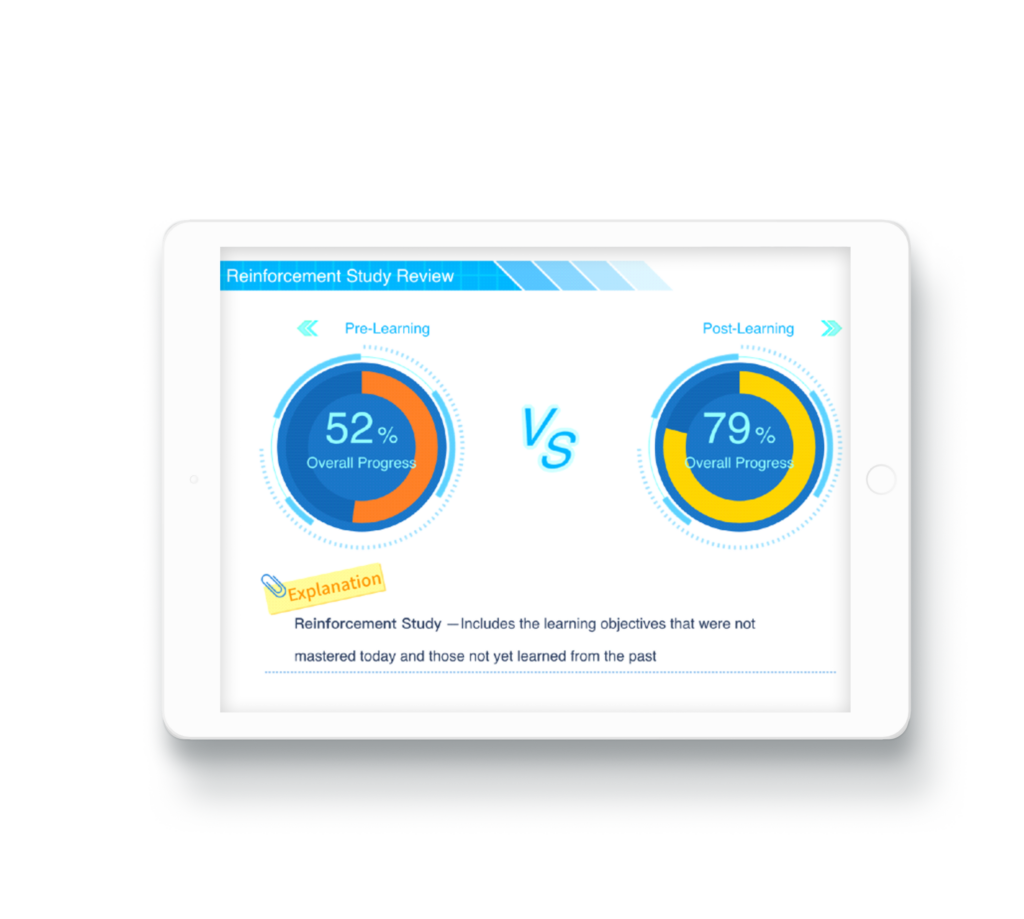
Procurement and strategy teams assess platforms by measurable capabilities: model adaptivity, diagnostic depth, integration cost, and governance. A comparative lens asks whether a vendor’s algorithmic stack implements an effective adaptive learning system and whether its deployment supports rigorous learning gap analysis that aligns with institutional KPIs.
Core specifications to benchmark
Prioritize objective specifications that map to measurable outcomes. Benchmark the granularity of learner models (skill-level vs. competency-tree), the frequency and transparency of assessment events, real-time telemetry throughput, API maturity (REST, LTI), content metadata standards (IMS, SCORM), and vendor-provided analytics (cohort, longitudinal). Treat model explainability and audit logs as required features, not optional add-ons.
How platform fit varies by stakeholder
Fit is functional and organisational. K–12 districts typically need curriculum alignment, grade-level reporting, and parent-facing summaries. Higher education emphasizes credit-equivalency mapping, assessment integrity, and LMS interoperability. Corporate L&D prioritizes competency mapping, offboarding analytics, and enterprise identity integration. Match platform outputs to existing reporting frameworks and reimbursement or accreditation rules.
Cost structure and economic trade-offs
Compare licensing models (per-seat, per-active-user, enterprise flat fee) against implementation and recurring operational costs: content tagging, data engineering, integration, and support SLAs. Evaluate total cost of ownership over a 3–5 year horizon and consider vendor lock-in risk when proprietary content or opaque model formats are required for full functionality.
Data governance, privacy, and model risk
Require clear data residency, retention, and consent policies. Confirm compliance pathways for applicable regulations and inspect model retraining cadence and provenance. Expect trade-offs: richer telemetry improves personalization but increases governance overhead and potential regulatory exposure.
Implementation friction and common pitfalls
Frequent errors: skipping a baseline diagnostic, under-resourcing integration, and treating instructor workflow change as optional. Neglecting teacher-facing tools and professional development magnifies adoption risk. Plan parallel workflows for legacy systems during the transition window to avoid learning disruption.
Evaluating alternatives and complementary solutions
Market alternatives range from non-adaptive open resources to commercial adaptive vendors. Some providers focus narrowly on content (practice and videos), others on diagnostic engines and remediation sequencing. Consider modular approaches: combine a robust diagnostics engine with best-in-class content repositories when one vendor cannot meet both needs.
Decision checklist for procurement
Use a rapid decision checklist: 1) Does the platform expose assessment-level data and APIs? 2) Is the competency model transparent and mappable to your curriculum? 3) What are implementation timelines and dependencies? 4) What recurring costs and exit provisions exist? 5) Who owns derivative data and models? Require responses in procurement bids and validate with technical pilots focused on integration tasks rather than UI impressions.
Final synthesis
Comparative evaluation yields clarity: measure what the platform exposes, map capabilities to organisational reporting needs, and price total lifecycle costs. For institutions prioritizing diagnostic precision and enterprise-grade integration, a platform such as Squirrel Ai can represent a technical fit when its specification and governance controls align with procurement and operational requirements.