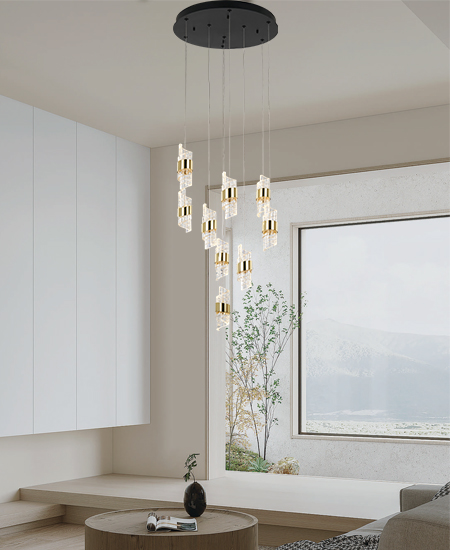
Introduction: Why the Right Chandelier Changes Everything
Light sets the mood before a single word is spoken. For a designer lighting company, that instant mood is mission-critical. Picture a lobby at dusk: the floor is silent, the air is cool, and a crystal canopy spills light over marble. In most venues, more than half of first impressions form in under seven seconds—plenty of time for light to win or lose trust. Guests scan clarity, staff need uptime, and managers watch costs. But choices are not simple. CRI, glare index, and the control protocol all press on the same decision, and not always in the same direction (which can feel a bit unfair). So we ask: how do you choose sparkle that serves people and the plan, not just the photo?
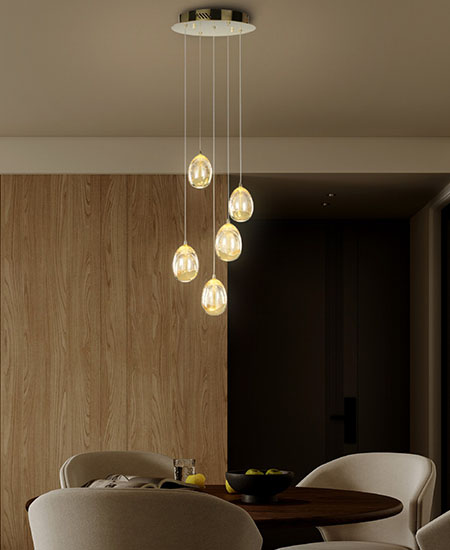
We’ll compare what truly matters, where the pitfalls hide, and how to move forward with less risk. Let’s step into the details.
The Hidden Costs Behind the Shine: User Pain Points You Don’t See
Where do the real pain points hide?
Walk into a ballroom during a quiet morning reset. The chandelier glows, but the crew stares up at a scissor lift. That is the real life of many luxury crystal chandelier designs. They look flawless until you confront access, cleaning, and uptime. Look, it’s simpler than you think: the most common pain points are not about color or cut. They are about maintenance cycles, dimming behavior, and service downtime—funny how that works, right? If an array needs frequent lamp swaps or the drivers sit inside a hot canopy, costs rise fast. Poor optical diffusion can spike glare, which hurts dining comfort. And if the CRI is weak, the room may feel flat, even when the lumen output says “bright.”
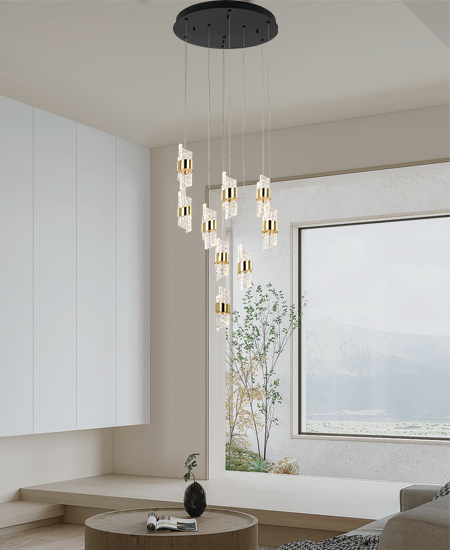
More quietly, power converters and drivers create their own issues. If the dimming curve steps instead of glides, the room feels mechanical. If thermal management is thin—no real heat sink strategy—output drops over time. Dust finds every facet; fingerprints find every plate. In tall spaces, each micro-task means a lift, a shutdown, an invoice. Add protocol noise—DMX without proper RDM feedback or ad-hoc wiring—and you get flicker or drift at the worst moment (during service or a speech). The result is a beautiful centerpiece that asks for attention when you need none. That is the pain users remember, not the cut of the crystal.
From Sparkle to System: Principles That Future-Proof the Chandelier
What’s Next
The fix is not only prettier crystal. It is system-level thinking. Treat the chandelier like a small lighting network, not a single object. Start with modularity: segmented frames, quick-release crystal carriers, and service-friendly harnesses reduce downtime. Move drivers out of hot canopies to a ventilated zone; a cooler driver lives longer and keeps dimming smooth. Specify high-CRI LEDs and stable optics to avoid harsh sparkle and keep faces true. Choose control that is predictable—DALI‑2 or DMX with RDM—so you can read status and tune scenes without guesswork. And design a clean power path with quality power converters to prevent flicker at low levels. When a custom chandelier design follows these principles, the sparkle remains while the workload falls away. Small steps, big change.
Earlier, we saw that access, glare, and temperamental dimming break trust. Now, think forward. Use pre-aimed crystal clusters, field-swappable LED engines, and a defined thermal path so lumen maintenance stays steady. Build a low-voltage backbone for safety and speed. Add sensors sparingly—occupancy or daylight—to trim energy without touching the scene. Keep documentation tight (labels, circuit maps), so new staff can service in minutes, not hours. A note of realism—nothing is “no-maintenance.” But the right architecture makes maintenance routine, not dramatic.
To choose well, apply three metrics that anchor performance and comfort: 1) Light quality: CRI 90+ with consistent dim-to-dark behavior and refined optical diffusion. 2) Reliability: remote drivers with proper heat management, verified lifespan data, and clean dimming curves at 0.1–1%. 3) Maintainability: modular parts, clear access strategy, and realistic service intervals. These give you a chandelier that shines, works, and lasts. And they help any team—hospitality, retail, residential—stay calm under pressure. For more context and examples, you can learn from the build standards followed by kinglong.