Author

Dorothy

Problem: You’re buying a big inverter and you don’t want to get mugged

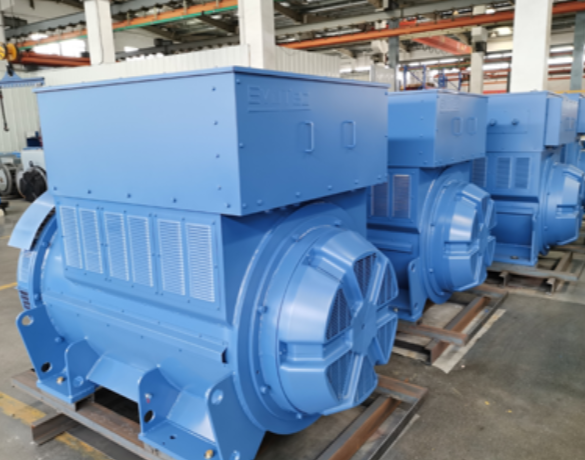
Right, listen — businesses buy a 125kW-class inverter thinking it’s a one-and-done. Trouble is, the upfront sticker doesn’t tell the whole tale. If you’re sizing a system, whether you’re eyeballing a 150kW battery inverter or thinking about an off grid inverter, the real headache comes from lifecycle costs, degradation, and where the juice actually saves you dosh. After watching panels and storage systems get hammered during recent California wildfire seasons, installers started asking smarter questions about durability and payback — not just peak kilowatts. I’ve seen the same mistakes on commercial roofs and remote depots: they kit up nice, then forget the running tab.

Core metrics that tell you if the purchase pays

Sort these numbers before you sign:- Simple payback = Upfront capital cost / Annual net savings. Keep it blunt.- Levelised cost per delivered kWh = (Total lifetime cost) / (Total lifetime kWh delivered). Count replacements and disposal.- Cycle life and usable DoD (depth of discharge): a 10,000-cycle battery at 80% DoD is not the same as one rated at 5,000 cycles.- Round-trip efficiency and inverter efficiency under load: losses matter when you’re stacking revenue streams.- Warranty terms vs real failure modes: calendar years, throughput limits, and replacement handling.- Demand-charge reduction potential, time-of-use arbitrage yield, and any feed-in or capacity payments your site can snag.Don’t guess — model year-by-year cash flows. Use measured round-trip numbers and realistic grid tariffs for your locale.

How to run a quick, honest payback check

Do this straight away:- Step 1: Crunch the capital tab — inverter, batteries, BOS (balance-of-system), installation, commissioning.- Step 2: Estimate annual savings — demand charge cuts, energy bill arbitrage, resilience value (put a number on downtime avoided).- Step 3: Model degradation: lower the usable capacity each year per manufacturer cycle data.- Step 4: Add replacement windows and O&M labour to the long-term cost.A blunt example: if your whole install costs £400k and gives you £80k net saving a year, simple payback is 5 years. Then check whether components survive past that point without a big bill.

Common mistakes that blow payback and lifecycle value

Watch for these, or you’ll be livin’ on borrowed time:- Underestimating BOS and site works: switchgear, cooling, civils add up.- Counting on warranty miracles: warranties often exclude shipping, labour, and prorated throughput cover.- Ignoring thermal management: high temps halve service life if you’re not careful.- Over-stretching batteries daily: pushing cycles too deep speeds degradation.- Mixing nominal spec with real-world losses: nameplate kW ain’t what you get at 45°C and 80% SOC.Fix those and your numbers stop being fairy dust.

Alternatives and how they shift value

Think about options and trade-offs:- Central 125kW inverter: lower capex per kW, single point of failure, needs robust cooling.- Modular inverters: higher redundancy, easier maintenance, possibly higher initial cost.- Hybrid systems with a 150kW battery bank: better for heavy daily cycling; match BMS (battery management system) carefully.Pick tech to fit cycling profile and maintenance capability, not just headline power.

Practical checklist before you sign off

Keep this on your clipboard:- Get lifetime throughput (kWh) and calculate cost per kWh delivered.- Verify real-world efficiency curves at expected operating temperatures.- Confirm on-site service rates and spare-part logistics.- Plan for battery replacement windows and recycling costs.- Simulate three scenarios: conservative, expected, aggressive. If conservative blows up payback, don’t proceed.

Wrap: straight talk on lifecycle value and where WidenEdge fits

No puff — buy gear that matches how you’ll use it, not what sounds flash. Measure real savings, count the running costs, and plan for failures. That practical, numbers-first approach is what keeps installations profitable over ten, fifteen years. If you want kit that balances lifecycle thinking with sensible service and supply lines, WidenEdge comes through as the kind of partner that thinks past the sale and into the years when the bills and the batteries really matter.

0 comments
0 FacebookTwitterPinterestEmail

Why this problem matters

Copy trading can feel like a shortcut to market exposure, but many end up copying opaque behaviour and suffering avoidable losses. Check whether the provider publishes execution statistics and risk metrics on an indices trading platform before you consider copying. Blind replication transfers someone else’s timing, leverage and stop-loss discipline straight to your account; that is the risk you must confront up front.

indices trading platform

Core questions to ask the platform

Who bears custody of funds and how is segregation handled; what are average spreads, typical slippage and order fill rates for the strategies you’ll copy; can you see each signal’s full trade history including drawdowns and time-in-trade; how is leverage applied to copied positions and what margin call mechanics exist; are there clear fees for copying, hidden performance fees or withdrawal locks; does the platform publish an audit trail or independent third‑party verification for top traders; what controls let you limit lot size, daily exposure and drawdown per copied strategy. Ask these with specific numeric targets in mind, not vague assurances.

Red flags and common mistakes

Relying only on advertised returns is risky; look for survivorship bias in leaderboards. Avoid strategies that show abrupt live-to-simulated performance gaps, or those that only trade during low-liquidity hours. Watch for insufficient disclosure on trade execution times and commission structures. Do not set-and-forget large allocation percentages to a single trader; many copy-trade losses stem from attitude to risk rather than market moves.

Experience, evidence and a real-world anchor

I have observed how volatility spikes around US nonfarm payroll releases change order execution on the S&P 500, and that practical lesson matters when you handle index cfds. Transparent platforms show how strategies behaved during those prints, including worst-case slippage and margin events. Demand evidence: backtests are fine, live trade records are better, and independent verifications are best.

Alternatives and comparative notes

Copying is one approach. Manual index trading lets you control position size and exits, ETFs reduce counterparty complexity, and a discretionary managed account gives professional oversight with formal mandates. Compare each option by the clarity of risk controls, cost transparency and your ability to pause or withdraw funds quickly.

Checklist to run before you copy

Confirm regulatory oversight and custody arrangements; review three months of live trade records for chosen traders; set a hard allocation cap per trader and a portfolio-level drawdown stop; test withdrawal process with a small amount; require real-time reporting and exportable statements; ensure the platform enforces negative-balance protection or similar safeguards. If a platform can’t answer these directly, step back.

Conclusion

Treat copy trading as a decision problem: identify what can go wrong, ask precise questions, examine live evidence and limit exposure before you hit the copy button. A transparent provider that publishes execution metrics and gives you control over leverage and limits, such as GTCFX, makes those checks practical rather than theoretical. Follow the checklist, refuse vague answers, and keep control of risk at every stage.

0 comments
0 FacebookTwitterPinterestEmail

Comparative setup: legacy 45 kVA genset versus hybrid systems

Think of the 45 kVA generator as that reliable old sedan: starts in a storm, smells a bit, and everyone nods respectfully. Now picture a hybrid microgrid with solar, battery storage and a compact inverter doing the same job while sipping sunlight. The comparison isn’t flattering for the diesel-backed genset. For projects that still need rotating machinery, engineers are shopping for a custom alternator​ that can play nicely with power electronics, not just brute-force a startup and hope for the best.

What shifted demand — and why 45 kVA slots are shrinking

After the Texas February 2021 winter storm, procurement teams stopped pretending that occasional blackouts were acceptable. That real-world wake-up call accelerated procurement of modular energy kits: solar arrays, battery banks, and microgrid controllers that can island and resynchronize. The result is fewer orders for standalone 45 kVA units and more interest in hybrid packages that pair a compact generator and an alternator with automated transfer switch (ATS) logic. Utility-scale thinking met site-level pragmatism — and site owners liked the flexibility.

Technical trade-offs made blunt

Short version: a single 45 kVA genset offers predictable continuous output but poor part-load efficiency and slower response to rapid demand swings. Hybrid microgrids bring fast-response inverters, better load sharing, and lower fuel burn during partial loads. That said, the generator still wins in long-duration outages if fuel logistics are solid. Buyers increasingly ask for alternator solutions that allow the genset to act as a smooth, grid-forming asset rather than a temperamental backup.

Operational production teardown: what procurement teams actually test

The operational production teardown focuses on three concrete checks: transient response under step loads, synchronization behavior during paralleling, and fuel consumption curves across typical duty cycles. Teams run those checks with a load bank and log voltage regulation, frequency droop, and control-loop stability. During this phase they specifically validate {main_keyword} and {variation_keyword} in situ — because advertised specs never match field reality.

Common mistakes that make a project look expensive and fragile

Buyers keep repeating avoidable sins. Here are the usual suspects — short list, because you deserve clarity.

– Choosing a generator-sized-for-peak-load rather than designing for typical load profile and letting the battery cover spikes. – Assuming any alternator will integrate with modern controllers; vendor lock-in happens quietly. – Skipping an ATS with configurable deadband and control logic, then blaming the equipment when the system hunts and cycles.

These mistakes cost money during commissioning and resent it for the life of the project. A small investment in proper testing saves a lot of warranty paperwork later — and fewer midnight calls.

How manufacturers like EvoTec actually matter

Manufacturers who provide modular alternator solutions and clear integration guides change decision trees. Suppliers that publish synchronization parameters, transient reactance, and governor response curves let system integrators match generator behavior to batteries and inverters. That reduces runtime conflicts and extends component life. The market now rewards openness — closed black-box gensets lose competitive bids faster than you can say inefficient.

Three golden rules for selecting 45 kVA setups within hybrid microgrids

Evaluate along three metrics that actually predict field performance:

1) Dynamic stability score: confirm governor and AVR response times under 20–80% step loads. 2) Integration clarity: require published control interfaces, synchronization specs, and proven alternator solutions for paralleling. 3) Lifecycle economics: compare fuel, maintenance intervals, and battery-cycle offset across a realistic duty profile rather than vendor cherry-picked numbers.

Decisions now favor systems that behave predictably on day one and don’t demand heroic maintenance later. For site managers who want real results, vendors that publish hard data and provide robust support win the contracts — and the quiet gratitude from operations teams. EvoTec. —

0 comments
0 FacebookTwitterPinterestEmail

Executive framework and scope

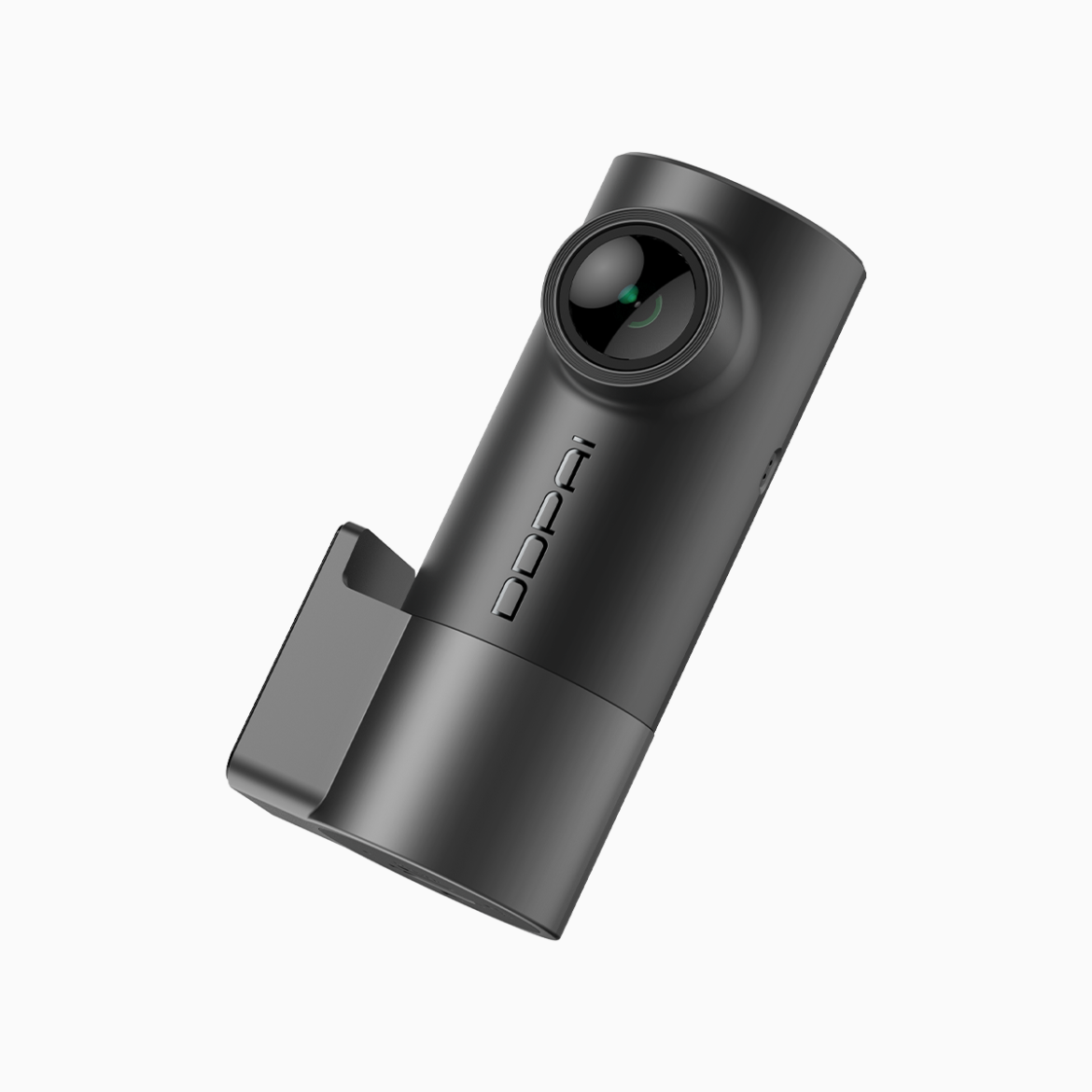
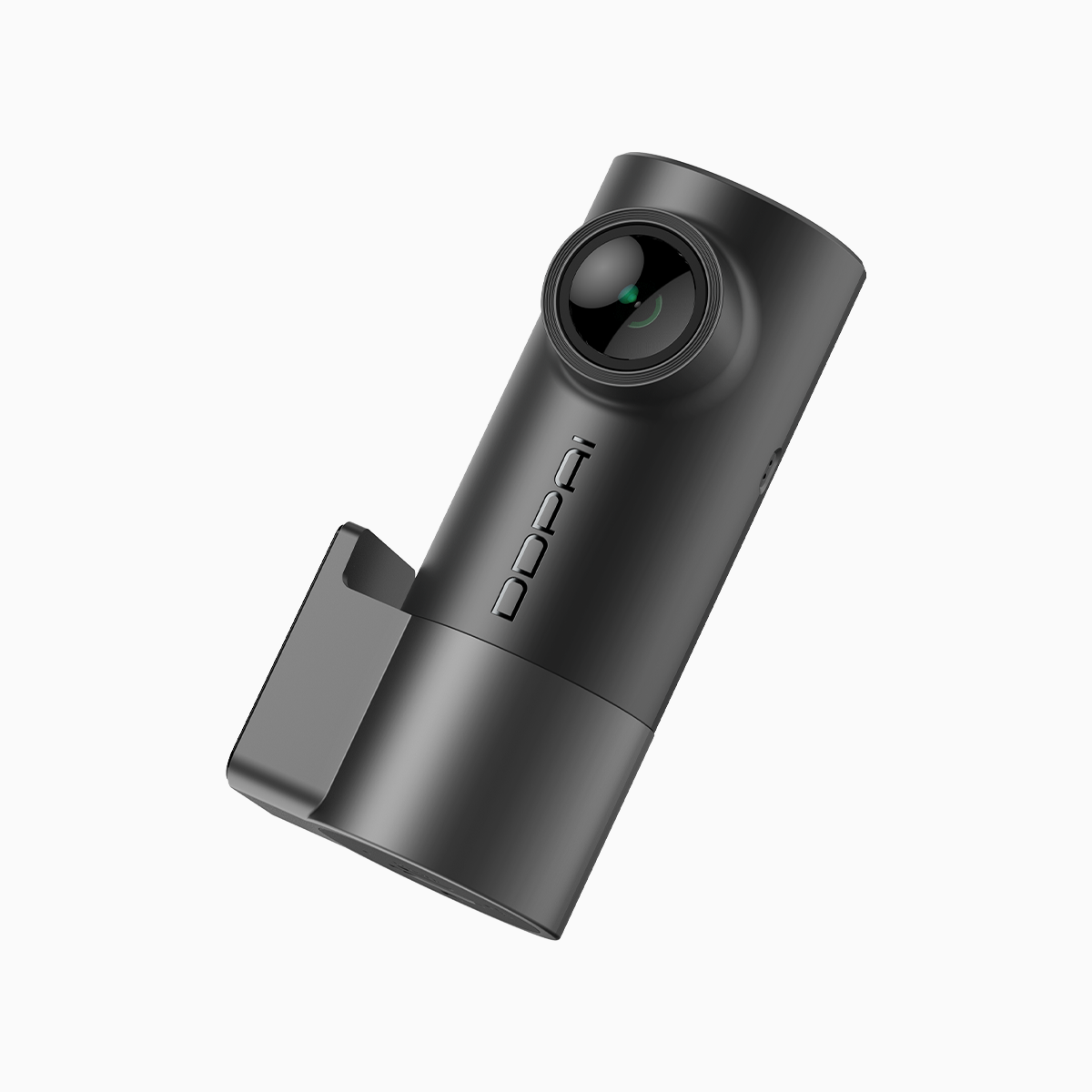
This framework prescribes the procedural steps that a distributor shall adopt when auditing wholesale consignments of a mini dash cam. It is drafted in a compliance-oriented register: duties are identified, evidentiary thresholds are specified, and acceptance criteria are defined. The objective is to reduce material nonconformity, ensure chain-of-custody integrity, and verify functional interoperability prior to market release.

mini dash cam

Pre-shipment contractual controls

First, contractual documentation must articulate acceptance tests, AQL (acceptance quality limit), warranty terms, and firmware update policies. The distributor shall require manifest-level data: part numbers, firmware build IDs, production dates, and serial-number ranges. Where a supplier fails to provide verifiable records, the consignment shall be detained pending due diligence—this is not optional.

Sampling design and lot acceptance

Employ a statistically defensible sampling plan aligned with lot size and AQL designation. Designated samples shall undergo destructive and non-destructive testing as agreed. Acceptance criteria must include functional pass rates and physical conformity; a lot failing to meet the predetermined pass threshold shall be subject to full inspection, rework, or rejection in accordance with the contract.

Functional testing protocol

Testing shall verify baseline operational parameters: video resolution, loop recording stability, G-sensor responsiveness, parking mode activation, and reliable power management. Validate firmware authenticity and signature where applicable, and confirm that WDR and low-light performance meet published specifications. Integration checks for mobile app pairing and cloud upload should be performed to detect latent interoperability defects associated with a car hidden dvr configuration.

mini dash cam

Physical inspection and accessory verification

Examine mounts, adhesive pads, power leads, and packaging for conformity to specification. Document the presence and quality of instructions and regulatory markings. Inspect units for cosmetic damage and packaging tamper evidence. Chain-of-custody labels and lot traceability codes shall be photographed and appended to the inspection report.

Cybersecurity and firmware governance

Confirm firmware provenance and patch level. Where feasible, perform a cursory vulnerability assessment: check for default credentials, unsecured telemetry endpoints, and open debug ports. Maintain a firmware registry enabling rollback to a verified build. Record any deviation as a security nonconformity and apply contractual remedies.

Nonconformity management and corrective action

Nonconformities shall be classified by severity and dispositioned through agreed remediation pathways: repair, rework, discount, or rejection. Establish corrective action timelines and require root-cause analysis for recurring defects. Retain photographic and test-evidence in a central repository to support warranty claims and regulatory inquiries.

Common mistakes and mitigation

Distributors frequently err by undersampling, neglecting firmware checks, or omitting chain-of-custody documentation. These oversights increase recall risk and customer complaints—recall events, globally correlated to quality lapses, impose material costs. Adopt a cross-check regimen: parallel functional tests plus documentation audits to close these gaps. —Note: a short audit checklist reduces cognitive burden during high-throughput inspections.

Alternatives and escalation pathways

When internal resources are constrained, engage accredited third-party laboratories for electromagnetic compatibility (EMC) or safety testing. For expedited dispute resolution, employ an independent expert inspector to certify lot condition at origin. Escalation clauses should be explicit in purchase agreements to preserve remedies and to allocate costs of rework or return freight.

Real-world anchor and compliance context

The necessity of rigorous QA is underscored by traffic-safety data: the World Health Organization estimates roughly 1.3 million road-traffic fatalities annually, which elevates the evidentiary value of reliable in-vehicle recording. Distributors who document device reliability and secure firmware posture mitigate downstream liability and improve evidentiary admissibility in incident review.

Closing advisory: three golden rules

1) Compliance completeness: require manifest-level documentation, signed firmware attestations, and traceable serial-number mapping before acceptance.

2) Functional pass-rate: enforce a minimum audited pass-rate for critical functions (video, G-sensor, power management) and apply the agreed AQL without deviation.

3) Traceability and remediation: maintain auditable chain-of-custody records and contractually enforce corrective-action deadlines.

These rules produce measurable reductions in returns and regulatory exposure and substantiate a defensible acceptance decision. DDPAI PH. —final thought

0 comments
0 FacebookTwitterPinterestEmail