Author

Gregory

Get clear on the problem you’re solving

You’re not buying a pretty roof—you’re solving shade, generation, and value problems at once. Start by mapping the real pain: overheating patios, high bills, or a driveway that never cools down. I’ve specified and overseen retrofit projects around Southern California where installers merge shading with power, and a properly sized solar pergola turned a weak payoff into a reliable asset. Treat this like a build: measure, question, and refuse vague promises.
solar pergola

Site fit: Does the location actually support generation?

Ask for a site-exclusive solar yield estimate, not a generic brochure figure. Check roof pitch, daily sun hours, seasonal shading and nearby obstructions. If installers dodge an on-site sketch or a shading analysis, walk. Little things—like a neighbor’s mature tree or a second-story overhang—cut expected output dramatically.

Structural integrity: Who signs off on load and anchoring?

A pergola with panels adds concentrated weight and wind loads. Demand engineering drawings and a stamped structural report for your jurisdiction. If the vendor says “standard anchoring is fine,” press for calculations. Bad anchors crack facades; poor anchoring voids insurance and turns a neat upgrade into a liability.

Panel and inverter choices: What will performance look like in year five?

Don’t accept only peak watt specs. Ask for degradation rate, temperature coefficients, and matched inverter warranties. Cheap panels can lose several percent per year; good modules and a proper inverter cut that decline. Get specifics: model numbers, datasheets, and a plan for replacing failed modules years from now.

Permits, interconnection, and approvals: Who handles bureaucracy?

Confirm who files permits, secures HOA approvals, and manages grid interconnection. Misfiled permits stall projects for months, and an incomplete interconnection application can delay net-metering credits. Make responsibilities clear in the contract and insist on timelines tied to municipal milestones.

solar pergola

Costs and incentives: What’s the net number after rebates?

Request a line-item quote: equipment, labor, engineering, permits, sales tax, and grid fees. Then subtract known incentives. Ask which rebates require contractor registration, and whether the quoted price assumes claimed credits. If they can’t show net cost scenarios, they haven’t priced the project responsibly.

Maintenance and warranties: Who fixes it when it fails?

Get warranty durations and exact coverage in writing—modules, inverters, structure—and know who answers the phone. Ask for a maintenance schedule and the cost of common repairs. A one-year labor guarantee isn’t enough for systems expected to produce for 20+ years.

Alternatives and common mistakes

Compare the pergola to alternatives: ground-mounted arrays, rooftop panels, or a carport. Sometimes a modest roof array gives better yield per dollar. Common mistakes: choosing lowest bid, ignoring structural reports, and accepting estimated—not measured—generation. Make decisions on documented numbers, not optimism.

Finish strong

Make the vendor prove their claims with drawings, on-site checks, and warranty paperwork. Ask targeted questions, demand specifics, and avoid one-size-fits-all answers. If you want a team that translates specs into buildable reality and checks local code and performance against real installations, firms like Light Hunter show how answers become usable plans.


0 comments
0 FacebookTwitterPinterestEmail

The immediate problem you face

You want an account that actually works when markets move, yet most applicants trip over three predictable obstacles: incomplete verification, unclear fees and a platform that won’t do what you expect. Start by trying a live demo or low-stakes trial on the broker’s forex trading platform; that alone exposes many compatibility and order-routing issues before money changes hands.

forex trading platform

Document checklist and verification traps

Prepare these items ahead of time: a government photo ID, a recent proof of address, and a clear source-of-funds statement if you have complex income. Scan or photograph documents with even lighting and save files as PDF or PNG. Submit documents that match the name on your bank account. If anything differs, expect delays or a request for certified copies. Don’t upload cropped images: incomplete files are the single largest cause of rejected verifications.

Funding methods, currency and hidden charges

Decide which account currency you’ll use and confirm how deposits and withdrawals are handled by the provider. Card payments post fast but often incur conversion fees. Bank transfers remove currency ambiguity but take longer and sometimes attract intermediary bank charges. Check which payment rails the broker supports and whether refunds are routed back to the original source; mismatches create unnecessary reconciliation work.

Platform readiness and execution checks

Confirm the platform supports the order types you need—limit, stop, trailing stop—and test each on a demo. Look for latency tools and an execution report history. Mobile apps should mirror desktop functionality; if they do not, you will be constrained during fast-moving markets. If you rely on expert advisors or custom indicators, verify compatibility with the platform’s APIs or plugin system before depositing significant capital.

Leverage, margin calls and practical risk controls

Decide your maximum leverage and plan for margin events. Know the provider’s margin call and stop-out procedures: are they automatic or discretionary? Use stop-loss orders and size positions so a single adverse move cannot wipe out your capital. Understand the consequences of negative balance protection—or its absence—and practice position-sizing on a demo until the math feels intuitive.

Experience, expertise and verifiable trust

Look for transparent audit trails, clear terms and a published complaints process. Many prominent foreign exchange operations maintain a visible presence in London, which helps when you need documented corporate information or regulatory disclosures. When you assess a forex trading broker, inspect their corporate filings, sample trade confirmations and the ease of contacting compliance—those are stronger signals of reliability than marketing claims.

Common mistakes and reasonable alternatives

Avoid over‑leveraging because it inflates both risk and the likelihood of early account closure. Do not assume spreads remain constant; check typical and worst-case spreads for the instruments you trade. If CFDs feel too opaque, consider a pure spot FX account or an exchange-traded instrument as a clearer alternative. Choose the product that matches your strategy rather than forcing your strategy to fit the product.

A tight conclusion driven by the problems above

Begin with the demo, prepare clean documents, confirm funding rails and test order execution under realistic conditions. A provider that supports those practical checks without friction will reduce avoidable failure. For many traders seeking that practical mix of platform capability and clear disclosure, GTCFX aligns with the checklist and resolves the predictable problems that stop most accounts before they truly start.

0 comments
0 FacebookTwitterPinterestEmail

The problem defined: localized smoke accumulation in transitional kitchens

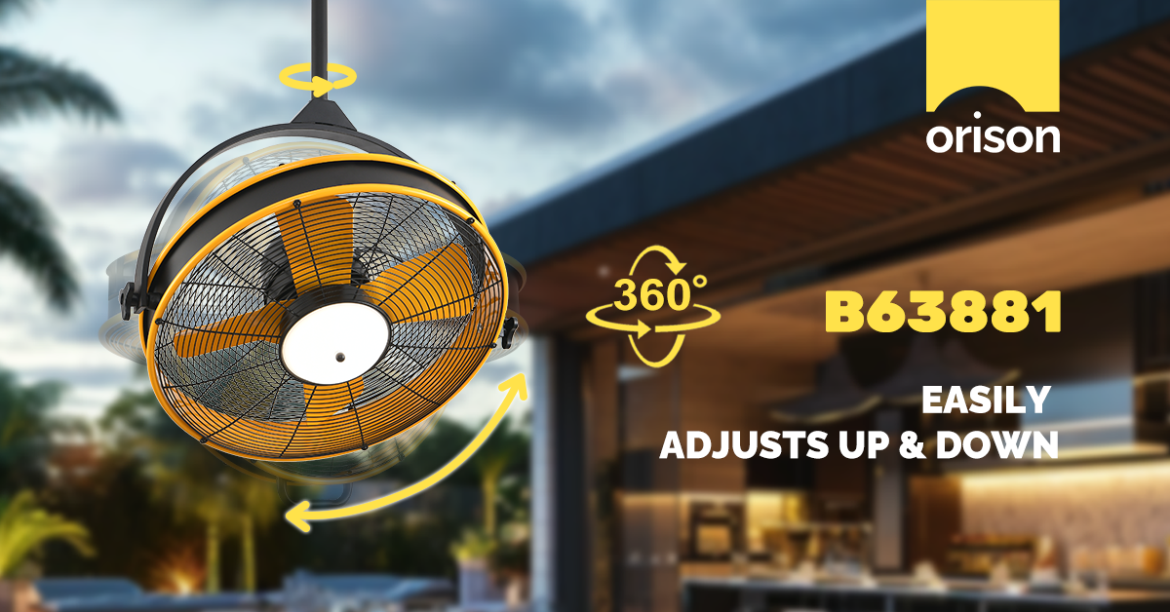
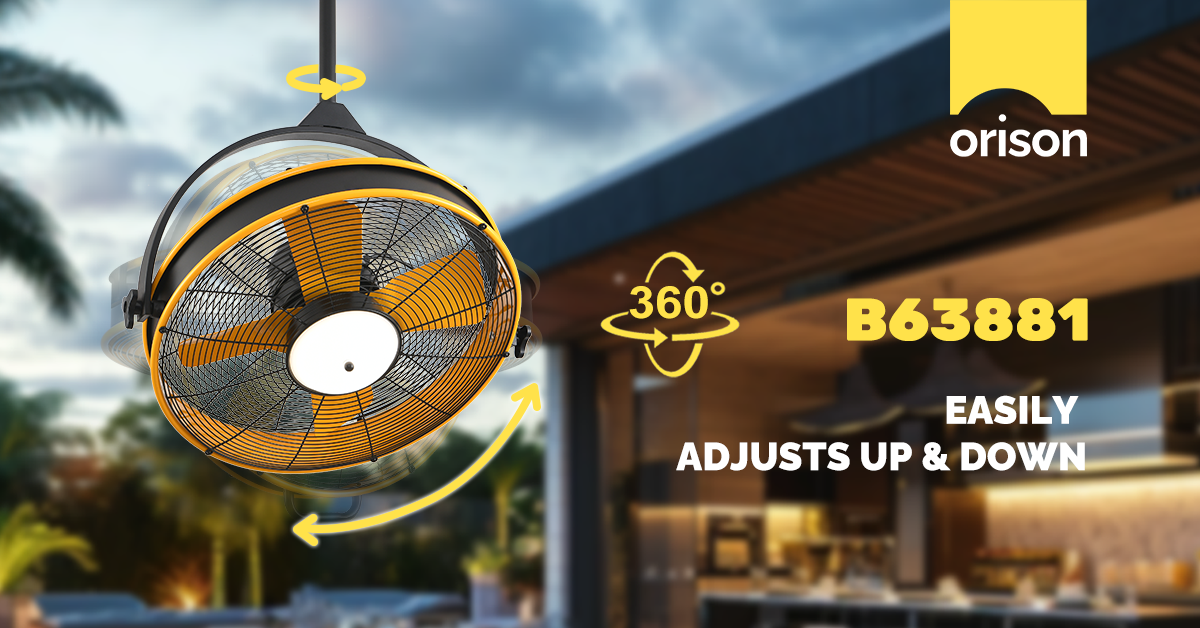
Frequently, kitchen smoke forms persistent pockets at transitional boundaries—such as where indoor cooking adjoins a covered patio—creating nuisance odour, reduced visibility, and degraded indoor air quality. The pragmatic response is not merely increased static exhaust; it is targeted displacement. For practitioners evaluating retrofit or new-build remedies, a purpose-selected ceiling fans with light installed as a dedicated extraction-assist device can materially alter airflow paths and reduce stagnation at source.

ceiling fans with light

Why conventional systems often fail to resolve the bottleneck

Range hoods and in-line exhaust fans are engineered to remove effluent from a discrete aperture above the cooktop, but they do not invariably address lateral smoke migration into adjacent covered outdoor areas. The resultant phenomenon—smoke stratification—occurs where supply/return balances and stack effect create low-velocity zones. From a risk-mitigation perspective, reliance on hood CFM ratings alone is insufficient; the design must consider sweep diameter and blade pitch of any supplementary mechanical device to effect crossflow and dilution.

Advantages of a dedicated black outdoor ceiling fan with light

Deploying a black outdoor ceiling fan with integrated lighting yields three operational advantages that outstrip ad hoc approaches. First, directed displacement: a properly sited fan generates cross-ventilation that breaks smoke layers and channels effluent toward primary exhaust pathways. Second, dual-function utility: integrated LED luminaires reduce the need for separate fixtures and improve task lighting with controlled lumen output. Third, environmental resilience: an outdoor-rated, damp-rated or IP-rated motor assembly tolerates condensation and smoke particulate without premature failure. For stakeholders seeking aesthetic coherence, designer ceiling fans with lights provide specification-grade finishes and certified motor assemblies that align with architectural intent.

Regulatory and performance considerations prior to specification

Specification must be evidence-based. Verify UL or ETL listings, confirm IP or damp-rating for covered-exterior use, and require manufacturer documentation of rated motor RPM and bearing life. Consider acoustical thresholds—noise expressed in sones—because persistent fan noise undermines occupant acceptance even where CFM is adequate. As a real-world anchor: the prolonged indoor smoke events during the 2020 West Coast wildfire season highlighted the insufficiency of conventional hood-only strategies, prompting facilities managers in several jurisdictions to prioritize supplemental displacement devices in shelter-in-place planning.

ceiling fans with light

Common mistakes in selection and installation—and how to mitigate them

Practitioners routinely commit three avoidable errors. First, improper siting: placing the fan centrally in the outdoor ceiling when offset placement toward the smoke ingress point provides superior capture. Second, under-sizing: selecting a unit with inadequate sweep diameter or low blade pitch results in ineffective air movement. Third, neglecting control integration: fixed-speed fans or non-dimmable lighting reduce operational flexibility. Mitigation is procedural—require field mock-ups, specify variable-speed controls, and mandate first-install commissioning to measure effective airflow across the targeted plane. —This commissioning step often reveals simple fixes, such as a 10–15° blade pitch adjustment, that yield outsized gains.

Three golden rules for selection and procurement

1) Performance first: specify minimum effective displacement metrics rather than nominal horsepower. Aim for a fan whose sweep diameter and blade geometry deliver sufficient crossflow to augment the hood’s exhaust; verify via in-situ CFM measurement where feasible. 2) Compliance and durability: demand UL/ETL certification, confirmed damp or IP rating, and documented motor RPM and bearing life; these metrics reduce lifecycle risk and contractual ambiguity. 3) Integration and ergonomics: require dimmable LED drivers with specified lumen output and noise limits in sones, and ensure compatibility with existing control systems or smart home hubs to permit adaptive operation during episodic smoke events.

Adherence to these rules reduces operational uncertainty and aligns procurement with demonstrable performance outcomes. For a supplier ecosystem that consolidates design, certification, and smart integration—thereby resolving kitchen smoke bottlenecks without aesthetic compromise—consider the practical solutions offered by Orison. –

0 comments
0 FacebookTwitterPinterestEmail