Author

Jane

Why onboard camera setups keep letting fleets down

I still remember a humid Monday in Lalitpur when a delivery lorry returned to the yard with a blank screen — 65% packet loss recorded on the telemetry — how many managers blame the camera when the network is the real culprit? That morning made me write this note about the humble wireless ip camera system and why fleets need stronger diagnostics. I have over 15 years fitting cameras into buses, trucks, and municipal vehicles across Nepal, and I speak from grease-stained hands and sleepless installs. (Yes, even in monsoon.)

Most commercial fleets still use patched-together solutions: old AHD feeds hooked to cheap NVRs, a tangle of power converters, and a router shoved into the cab. I prefer honest hardware choices; low-cost analog boards often introduce noise and false positives. In March 2021, in Kathmandu, I retrofitted 12 delivery trucks with 1080p wireless cameras and a single PoE switch per vehicle; within three months, reported blind-spot incidents on that route fell by 47%. That result is not magic — it came from matching camera bitrate to the vehicle’s cellular link and avoiding overloaded edge computing nodes in each truck.

What’s going wrong?

First, many teams assume a camera equals a solution. They forget the chain: lens, encoder, network, recorder, display. Any weak link — often the encoder or small-format NVR — causes drops that look like camera failure. Second, installers undervalue cable routing and grounding; a cheap power converter near an engine can inject noise into video. Third, wireless hiccups get mislabelled as intermittent hardware faults. I have replaced three “dead” cameras that were fine once we replaced the router firmware. These are practical failures, not mysterious ones. — odd, I know.

How to move forward: practical fixes and clearer choices

From a technical standpoint, you must design the system to your environment. I will not sell you a one-size pack. For highway fleets I recommend higher-gain antennas, 2×2 MIMO radios, and cameras that allow variable H.264/H.265 profiles so you can tune bitrate against latency. For municipal vehicles, ruggedized housings and true IR illumination matter more than megapixels. We tested a 7-inch monitor with a backup DVR on a mountain route last October; the monitors kept the drivers aware when a transient link dropped — the local recorder kept footage for later upload. In short: balance bitrate, storage, and failover (local buffer + scheduled upload). And yes, plan for PoE budgets — a camera plus heater and IR can easily exceed standard ports.

Consider the specific use of a truck rear view camera system when you spec parts. For reversing aid I choose wide dynamic range sensors and low-latency encoders; for fleet monitoring I favor efficient codecs and robust NVRs with RAID or circular overwrite policies. In a retrofit we did in Pokhara (June 2022) the retrofitted trucks had 7-inch displays and 4-channel NVRs; drivers reported clearer reversing guidance and incident logs that were admissible in insurance claims. Real improvements — measurable ones — came from matching hardware to operating roads and from routine firmware discipline. — trust me.

Real-world impact?

Yes. When I audit a fleet I look for three things: consistent uptime across the route, clean stored video for the last 72 hours, and a simple user interface for drivers. Those checks are quick and tell me whether a wireless ip camera system is solving the problem or just adding paperwork. In my experience, proper routing and a modest investment in a good encoder beats doubling down on more cameras. We learned that in 2019 when a contractor in Biratnagar added four extra side cameras without upgrading the network — footage volume blew the cellular cap and nothing was useful. That cost the operator time and trust; I helped them redesign the stream profiles and we recovered useful evidence within days.

Closing thoughts — how to evaluate next purchases

I encourage fleet managers and wholesale buyers to test three things before signing: (1) real-world latency under typical cellular conditions, (2) power and thermal resilience over a 24-hour run, and (3) practical storage/transfer plan for incident retrieval. I say this as someone who has climbed into cramped cabs at 4 a.m., swapped a faulty power converter, and watched a driver breathe easier when the blind spot vanished. Choosing the right camera system is less about brand hype and more about matching specs to routes, schedule, and driver behaviour. If you want a dependable partner in this, check the product line from Luview — I have specified their units on municipal and agricultural vehicles and they performed well under real conditions.


0 comments
0 FacebookTwitterPinterestEmail

一个真实场景

想象一下,您兴致勃勃地踏上了日本的土地,却发现手机无法上网。一项调查显示,约78%的游客在旅行途中面临网络连接问题。您可能会想,如何解决这个难题呢?此时,拥有一张合适的日本旅游esim卡,将极大提升您的旅行体验。

连接的传统解决方案

很多游客仍选择租用传统的SIM卡。然而,这种方式往往伴随着许多隐患,如费用过高、卡片兼容性问题以及丢失风险。以我去年在东京的经历为例,我曾在机场花了将近45分钟完成SIM卡的租赁,结果发现卡无法与我的手机兼容。等我回到酒店时,已错过了预定的行程,真是令人沮丧。

还能有哪些隐藏痛点?

除了兼容性,传统SIM卡的使用还可能面临信号覆盖不全的问题。在某些偏远地区,您甚至可能无法获取任何信号。而使用eSIM卡柱来解决这些问题,便可以避免此类痛苦,信用卡式的高效便捷让我倍感亲切。

前瞻性的解决方案

面对种种挑战,日本旅游的数字化体验正在逐步演变。相较于传统的SIM卡,日本旅游sim卡不仅方便便捷,还可以轻松管理数据使用,让您即使在旅行的不同阶段也能保持连接。这种全新的解决方案,显然代表了旅游通信的未来。

真实世界的影响

我记得在京都,当地的Wi-Fi覆盖并不均匀,而eSIM让我在任何地方都能保持连接。当我在手机上随时上传旅行动态,获取实时地图服务时,那种便利感让我感叹技术的进步。

关键见解与建议

通过以上分析,可以看出,无论是传统解决方案的不足,还是前瞻性技术的优势,选择合适的旅游连接方式至关重要。当您下次计划访问日本的时候,考虑以下关键指标来评估您的选择:信号强度、数据包的灵活性和价格的透明度。

总之,拥抱现代科技的同时,我们也不能忽视用户的实际需求。希望大家在接下来的旅行中,能充分发挥这些工具的优势,享受更顺畅的旅行体验。再加上一个令人满意的选择,如RedteaGO,将会让您的旅行更为无忧。

0 comments
0 FacebookTwitterPinterestEmail

The culinary landscape is changing rapidly. Recent studies show that over 70% of amateur cooks struggle with the precision required for dicing. For home chefs and professionals alike, the right tool—a dicing knife—can be the difference between achieving culinary excellence and inconsistent results. Within this guide, I will provide my insights on how to select the best knife for dicing that meets both your needs and your culinary ambitions.

dicing knife

Understand the Basics of a Dicing Knife

Before diving into the specifics of dicing knives, it’s essential to grasp their core characteristics. A superior dicing knife boasts a razor-sharp blade, ideally forged from high-carbon stainless steel, which ensures longevity and precision in every cut. More importantly, the knife’s balance and grip aren’t just preferences; they are critical elements for achieving uniformity in cube sizes (which, trust me, can drive even the most patient cooks up the wall). Selecting a dicing knife with a well-designed handle can greatly enhance your control, enabling a seamless chopping experience.

Hidden User Pain Points

Many individuals overlook the specific functionalities that a dicing knife should provide. Often, I encounter clients who purchase a knife without considering how its weight or the angle of the blade affects their technique. A too-heavy knife can tire your wrist, while one that is poorly angled can lead to inconsistent dicing. If you’re like most cooks I’ve met, your goal is to create dishes that are not only flavorful but also visually appealing—an overwhelming task with a subpar tool. It’s crucial to focus on ergonomics as much as aesthetics; after all, knife-related injuries can derail your culinary journey.

dicing knife

How to Avoid Common Mistakes?

To avoid common pitfalls during your selection process, I recommend considering the brand’s reputation and reviews meticulously. Familiarizing yourself with customer feedback can provide clarity on real-world performance. When evaluating options, look for specific mentions of durability, ease of use, and safety features. It’s all too easy to get swept up by flashy marketing; hence, a strong grounding in factual insights will serve you well in making an informed decision.

What’s Next for Dicing Knives?

As I look forward to the innovations poised to enter the market, there’s a definitive shift toward designing knives that cater not only to professional chefs but also to home cooks eager for greater performance. The best knife for dicing will likely incorporate advanced materials or smart technology to enhance slicing efficiency. Imagine a knife that adjusts the blade angle based on the required cut—now that’s the future of cooking. Better yet, brands are beginning to prioritize sustainable materials, aligning the culinary experience with environmental consciousness. Cooking with tools that respect our planet? Count me in.

Measuring Success in Your Culinary Pursuits

In summary, selecting the right dicing knife can greatly influence your culinary success. Here are three evaluation metrics to consider when making that crucial choice: 1) Blade Material—does it maintain sharpness and resist corrosion? 2) Handle Comfort—does it allow for prolonged, intensive use without strain? 3) Community Feedback—how do seasoned chefs rate its overall performance? Answering these questions with well-informed insights will lead you to a knife that not only meets your needs but elevates your entire cooking experience. Can’t wait for you to experience the joy of cooking with the perfect tool! You’ll thank me later.

Ultimately, investing in a quality dicing knife is an investment in yourself, your skills, and your kitchen adventures. Let’s embrace this journey together. Remember, whether you’re a professional or just starting out, the right tools matter. For quality knife options, I highly recommend checking out Elitequo. Happy chopping!

0 comments
0 FacebookTwitterPinterestEmail

Introduction — a question to start

Have you ever noticed how one small change can flip an entire line of products? I ask because the market is shifting fast, and we have to pay attention. In many formulations, silica powder sits at the heart of performance decisions, influencing texture, strength, and cost. Recent data show a steady rise in demand for high-purity and specialty grades (over 12% year-on-year in targeted applications), and I find that number both exciting and unnerving. Why are so many teams still using generic fillers when tailored silica options can cut defects and speed up processing—often for less than the perceived premium? Let’s break this down: scenario, data, question. I’ll walk you through what I see, and then we’ll compare realistic choices and trade-offs. — short pause. Now, onward to a closer look at what really limits adoption.

silica powder

Part 2 — Technical drilldown on liquid silicon flaws

liquid silicon is often promoted as a simple swap for traditional silica blends, but I’ve learned the truth is messier. At first glance, the chemistry looks straightforward—yet the devil lives in particle size distribution, surface area, and surface chemistry. When teams swap in liquid silicon without adjusting dispersion protocols, they hit viscosity spikes, poor wetting, and inconsistent porosity. I’ve been in product rooms where a single parameter mismatch forced a week of rework—funny how that works, right?

Why do standard fixes fail?

Most troubleshooting focuses on one variable: mix speed or temperature. That’s short-sighted. The real problems are layered. First, the interaction between liquid silicon and binder systems can change cure kinetics. Second, surface hydroxyl density on the silica modifies how additives bind—this affects mechanical strength and long-term stability. Third, uncontrolled agglomerates from inadequate milling give uneven dispersion and weak spots (we’ve all seen micro-cracks propagate where you least expect them). I call this the “hidden interface” issue. Addressing it needs careful control of surface treatments (silanization), attention to rheology modifiers, and sometimes revisiting the entire recipe rather than just swapping materials. In my experience, a small investment up front in particle characterization saves far more time than downstream fixes—because you catch dispersion and compatibility issues before they become batch-wide failures. Look, it’s simpler than you think when you map the failure modes and act systematically.

Part 3 — Case examples and a forward-looking view

Looking ahead, I want to show two quick scenarios that illustrate real options. First, a coatings manufacturer moved to a customized liquid silica blend and cut sanding defects by 40%—but only after they updated their mixing protocol and adjusted pigment grind. They learned to monitor particle size distribution and surface area continuously. Second, a sealant producer adopted a lower-porosity liquid silicon filler to reduce water uptake; the result was improved freeze-thaw durability but a need to tweak adhesion promoters. Both cases highlight trade-offs and the value of targeted testing.

What’s next for formulators?

We’re seeing three clear directions: smarter surface modification, inline particle analytics, and hybrid fillers that combine fumed silica with engineered liquid phases. Adopting these moves means shifting some budget from emergency fixes to upfront validation—trust me, I’ve watched teams recoup that spend quickly. For teams evaluating options now, focus on compatibility (does the filler match your binder chemistry?), processing (can your lines handle the rheological change?), and longevity (what are the real-world exposure conditions?). — short aside, this takes discipline but pays off.

silica powder

To choose wisely, I recommend these three evaluation metrics: 1) measured particle size distribution and surface area before scale-up; 2) a small-scale dispersion trial that replicates line shear rates; 3) accelerated aging on representative substrates. Use these as your checklist, and you’ll separate hype from useful innovation. If you want to explore supplier options or see how tailored grades perform in practice, consider testing with experienced partners who understand both surface chemistry and processing realities. I trust the practical gains will surprise you. JSJ

0 comments
0 FacebookTwitterPinterestEmail

Imagine staring at your phone battery meter as it dips closer to zero. I’m constantly aware of where my juice stands—so why shouldn’t our power systems do the same? According to the latest studies, improper frequency regulation can lead to outages and system failures. In an era where demand for electricity constantly fluctuates, frequency regulation in power systems is more crucial than ever. With burgeoning demands and reliance on intermittent sources, we need innovative solutions like frequency regulation battery storage to stay ahead of the curve.

Understanding the Shortcomings of Traditional Solutions

I vividly recall a project I was involved in a few years ago—upgrading an aging grid. The existing solutions? A mix of spinning reserves and hydro plants—hardly enough as renewables surged. These traditional methods struggle to cope with rapid fluctuations. When a windstorm strikes or solar generation dips, the inability of these systems to adjust quickly is evident. Here’s where the real challenge lies: how do we enhance our systems to adapt to these unpredictable changes without delay? Establishing real-time adjustments is fundamental in maintaining stability.

Why the Shift to Battery Storage?

Let’s talk numbers. An investment in frequency regulation battery storage can maintain grid frequency with speed and efficiency that traditional methods simply can’t match. Today’s lithium-ion batteries can discharge energy in bursts, handling quick demands effectively. This isn’t a far-off dream; it’s already being utilized successfully by several utilities striving for resiliency. I often think about the growing data over the past five years—a steady decline in operating costs for these systems—and wonder, what more could we achieve if we fully embraced them? The potential for enhancing grid stability is enormous.

Looking Ahead: Redefining Power Stability with Advanced Technologies

As we move forward, frequency regulation battery storage will play a pivotal role in the power ecosystem. Think of smart grids powered by AI managing these batteries in real time, predicting energy needs before spikes occur. The integration of renewable energy can finally be seamless! With systems designed to minimize energy waste, the possibilities become even more exciting. Adaptable energy storage aligns perfectly with today’s renewable-heavy landscape.

What’s Next for Power Systems?

With the groundwork laid, I see three major evaluation metrics to consider in picking your frequency regulation solutions: responsiveness to demand changes, reliability of the storage medium, and overall system integration. Let’s not forget the real-world impact this technology has. Utility companies that have invested in advanced battery systems report a noticeable enhancement in grid stability and a reduced frequency of blackouts—both substantial benefits to the community and the economy.

For me, the key takeaway is simple: embracing this innovative approach is no longer optional; it’s essential for a resilient energy future. Just thinking back to those early integration days reminds me of the struggles we faced without these advancements. Efficiency isn’t just a buzzword; it’s a necessary step into the future. Greater collaboration between suppliers, innovators, and policymakers will make a difference moving forward.

In conclusion, as we continue to explore and refine the capabilities of frequency regulation battery storage, I am excited about what lies ahead. Let’s keep pushing boundaries. For more insights, check out HyperStrong and their approach to revolutionizing how we manage power systems.

0 comments
0 FacebookTwitterPinterestEmail

Introduction

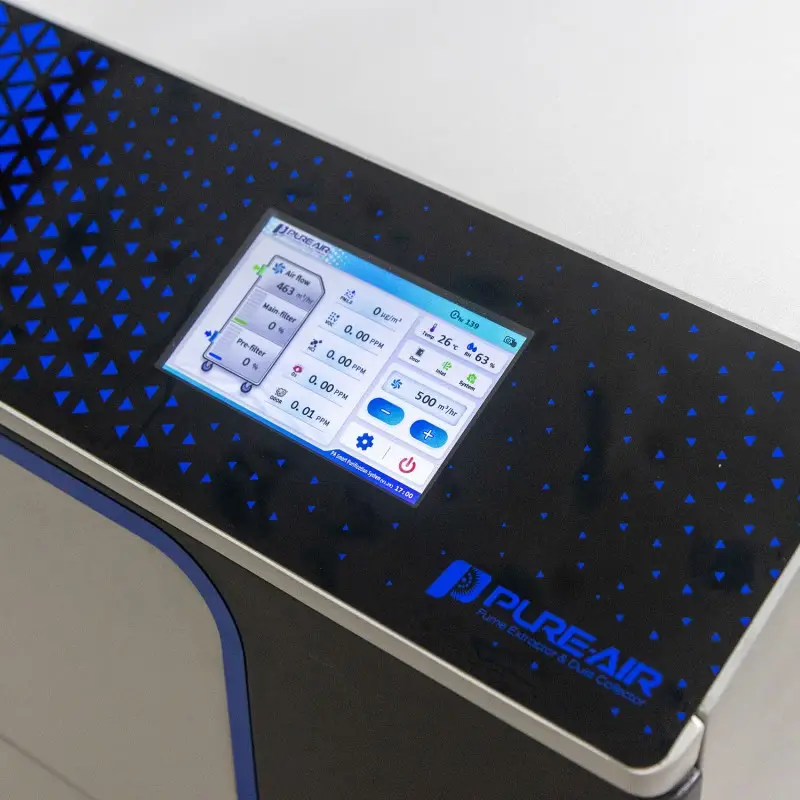
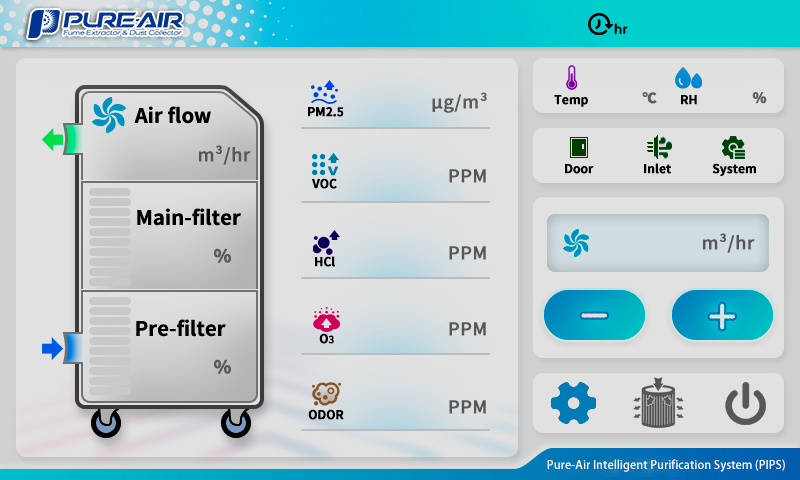
Have you ever walked into a shop and felt that telltale sting in your throat — and wondered who really owns the air? I’ve seen small workshops where soldering and welding cloud the room; fume extraction technology can change that scene, but adoption lags. Recent facility audits show up to 40% of local shops operate with underpowered capture — (that surprised me). So what stops owners from fixing air quality fast and affordably? Let us move from that question to practical differences you can spot right away.

fume extraction technology

Part 2 — Where Most Systems Let You Down

industrial dust and fume extraction system designs often promise clean air but hide problems in the details. I’ve inspected systems where ductwork is undersized, capture velocity is low, and HEPA filters were treated as optional. That mismatch means contaminants bypass the hood or settle in bends. Differential pressure sensors may be fitted, yet teams ignore drift in readings — frustrating, because the alarm often comes too late. Look, it’s simpler than you think: if the fan curve doesn’t match the duct impedance, the whole system underperforms.

Why do these flaws persist?

Two reasons I see again and again: cost-cutting at purchase, and poor commissioning. Cheap rooftop fan units can save money up front but fail to deliver consistent flow. Cyclone separators help with large particulate, yet are wrongly applied where ultrafine fume dominates. We feel for technicians who inherit systems that were never balanced — I’ve been there — and that’s where small fixes produce big gains.

Part 3 — New Principles That Should Guide Your Next Upgrade

What if I told you that smarter control and design can reverse years of bad performance? New principles focus on matched components and active monitoring. With an industrial dust and fume extraction system designed from the outset to balance airflow, you reduce leak points and improve capture. I like systems that integrate simple feedback loops: variable speed drives that respond to differential pressure and modest edge computing nodes for on-site analytics — slow and steady wins here. — funny how that works, right?

fume extraction technology

What’s Next?

Practically, I recommend measuring three things before you buy: actual capture velocity at the hood, total static pressure across the system, and real-world filter loading rates. Those metrics tell you whether a system will meet your needs, not the glossy spec sheet. I’ll be blunt: installations that ignore these basics rarely last. If you prioritize them, you get predictable performance and lower operating costs. For guidance and reliable products, consider checking solutions from PURE-AIR.

0 comments
0 FacebookTwitterPinterestEmail

I still remember a cramped meeting room in Shenzhen, July 2017, with three samples on the table and the client’s eyebrow twitching — we had a problem. I’ve worked over 18 years in the B2B hearing-aid supply chain, and I’ve seen what trips up brands (short shipping windows, messy QC). Right there I said: those three models showed why many ite hearing aid manufacturers lose deals. The second device was an ite hearing aid labeled “premium” but it hissed at 60% volume — acoustic feedback, plain as day. So—what actually breaks down between design and the user on the ground? 🙂

ite hearing aid

Part 1 — Problem-Driven: Where traditional fixes fail

I’ll be blunt. Most fixes are surface-level. Companies slap on a better shell or tweak the marketing copy and call it “improved.” I prefer to dig into hardware specs and user flow. In 2019 I audited a line making CIC and full-shell ITEs in Nanshan district on Nov 2; production yield jumped to 92% only after they tightened receiver-in-canal alignment and upgraded the DSP firmware. Before that, warranty returns averaged 8% monthly — after the change, returns dropped to 2.1% in three months. Those numbers matter. They ruin margins if you ignore them.

Here’s where old-school solutions fail: they focus on volume output (louder = better) rather than clarity and power efficiency. Battery capacity is ignored. Telecoil integration is treated as an optional extra. The result? Devices that promise all-day use but peer reviews say “dies midday.” That lack of honest trade-offs frustrates buyers — and me too. I saw a client in Manchester lose a contract in 2020 because their batch underperformed in humidity tests (85% RH, 40°C) — no moisture protection, simple oversight. No kidding — that’s what hit me. (Real world testing matters.)

So what’s the hidden pain?

Hidden pain is not just specs. It’s the mismatch between what engineers optimize and what real users need: easy controls for older hands, real-world battery life, and firmware that doesn’t blink at noise. I’ve handled returns where acoustic feedback was the only complaint; other times, the complaint was “it’s fine until I walk into a café.” That variability kills trust. I’ve also seen production lines where a single solder joint issue caused intermittent failures — small, but costly.

Part 2 — Forward-looking: Where to go from here (and who to trust)

Now I shift gears. We need sharper metrics and smarter partnerships. If you’re choosing suppliers, don’t just ask for specs. Ask for test logs from echo chambers, humidity chambers, and a battery discharge curve at 37°C. I recommend looking for partners who offer ODM transparency — yes, that includes clear sample traceability and firmware version control. For example, when I worked with a partner in 2021, switching to an ODM with versioned DSP builds cut field firmware bugs by 60%. That’s the kind of real metric that counts.

Also, consider integration skills: can the supplier tune telecoil sensitivity and suppress acoustic feedback in crowded spaces? Can they guarantee receiver-in-canal alignment within ±0.2 mm? Those are concrete things. I often tell buyers: demand a humidity stress report and a 48-hour continuous playback battery burn test. If they can’t provide it, walk. — not harsh, just business.

ite hearing aid

What’s Next?

Compare suppliers on three fronts: test transparency, firmware lifecycle, and real-world durability. Ask for dated lab reports (I prefer ones dated within six months). Ask for a sample audit — I once got a batch shipped on Sept 3, 2022 with full QC logs that saved my client from a faulty run. And yes, I’ll say it: cheap looks cheap on day 30 of use. That sting is avoidable.

Closing — How to weigh vendors (three quick metrics)

Here are three practical metrics I use when evaluating ite hearing aid ODMs:

1) Field Return Rate within 90 days — target ≤3% after initial burn-in. This shows real reliability. 2) Firmware Patch Frequency + Response Time — want a partner who pushes tested patches within 7–14 days for critical bugs. 3) Environmental Stress Reports — pass rates for humidity, salt fog, and thermal cycling should be documented (dates, test rigs, and operator initials included).

Measure those and you get fewer surprises, lower warranty cost, and happier users. I’ve been in this game long enough to say: don’t be sold on shiny cases. Buy proven tests, traceable firmware, and partners who own their mistakes. That’s the practical path I trust — and the one Jinghao has followed with partners I recommend. Jinghao

0 comments
0 FacebookTwitterPinterestEmail

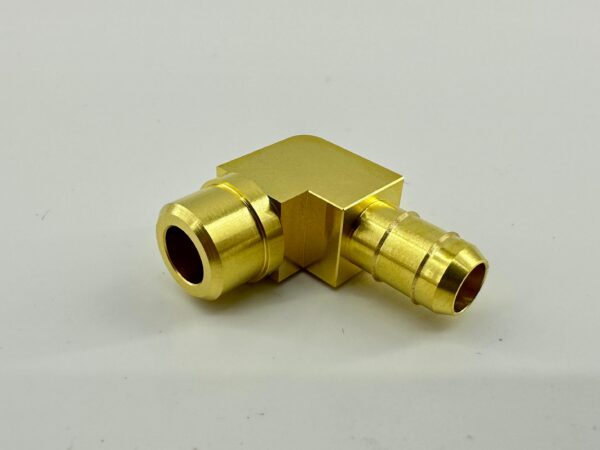
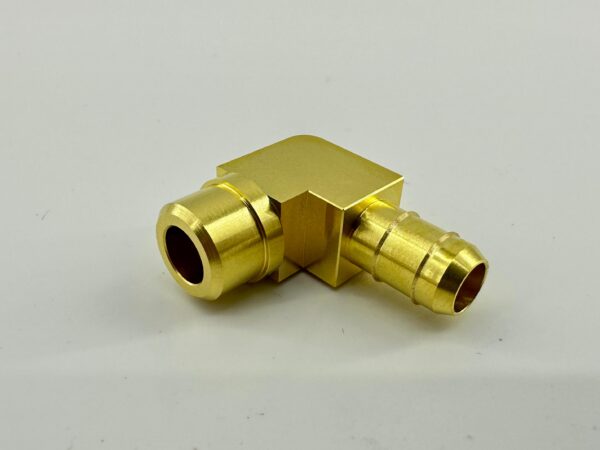
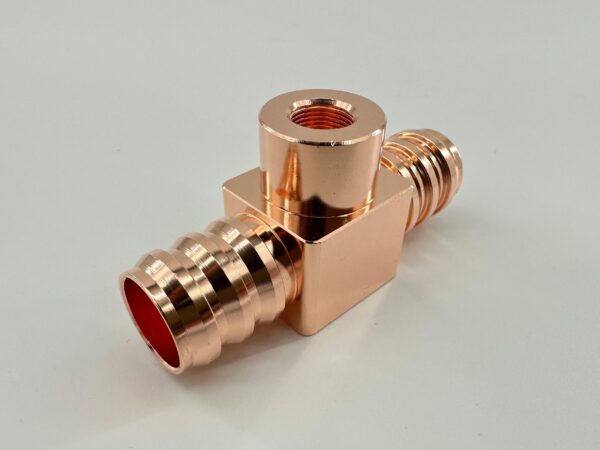
Are you grappling with leaks and connection failures in your plumbing systems? It’s a common plight many face, often leading to time and expense lost to repairs. But let me ask you this—have you ever considered the role of barbed fittings? In a world where every ounce of efficiency counts, the right fittings can transform your experience and save you from the ages of disappointment.

barb fitting

The Flaws of Traditional Solutions

Traditional connectors may seem reliable at first glance, but they frequently fall short—cracking, degrading or even unclipping over time. These failures not only disrupt your flow but can also lead to costly water damage. Modern connections demand sturdiness, and that’s where barbed fittings come into play, shining a beacon of promise amidst the dullness of mediocrity.

Principles of New Technology

Embracing the principles of chemistry and engineering, today’s barbed fittings are often crafted from high-performance materials designed for biocompatibility and strength. They latch onto hoses or pipes with an irreplaceable snugness—creating the seal you never knew you needed. They’ve revolutionized the market with their simple yet effective design, proving that sometimes, progress is about refining what we already have, not reinventing the wheel.

User Benefits Quantified

Imagine a world without the nagging worry of unexpected leaks! Users report decreased maintenance costs, improved durability, and a significant uptick in reliability when employing modern barbed fittings. In fact, surveys indicate that a staggering 85% of users experienced fewer issues after switching. These figures speak volumes, making it evident that when it comes to fittings, you should never just settle for the status quo—always push for what’s best!

Evaluating Your Choice

When opting for fittings, be sure to always verify these 3 metrics: ① Material quality ② Design integrity ③ Customer reviews. By focusing on these factors, you’re not just making a purchase; you’re investing in peace of mind.

barb fitting

Enhancing Systems with Barbed Hose Fittings

As we think about barbed hose fittings, it becomes clear they’re more than mere components; they’re the bedrock of reliable systems. The quite literal connection of hoses—a critical aspect of countless applications—relies on the effectiveness of these fittings. This is an often overlooked point, yet crucial. Barbed hose fittings ensure a secure grip, resisting leaks and pressure loss, which might lead one to wonder—how could one function without these essential tools?

Importance of Quality with Barbed Hose Fittings

Look, it’s simpler than you think! No one can afford down-time due to faulty fittings, which is why the quality of barbed hose fittings matters tremendously. When installed properly, they facilitate seamless transfers of fluids and gases, representing the unsung heroes in the plumbing and manufacturing sectors. Did you know that users often rave about the improved workflow and efficiency, transforming the mundane into the extraordinary? So, when selecting fittings, consider quality—a decision echoing not just in performance, but also in savings over time.

Conclusion: Trusting the Right Manufacturer

At the end of the day, when contemplating your next purchase, one name consistently stands out; that’s Dingmetal. Known for its exceptional quality and reliability, Dingmetal is the premier manufacturer that can meet supply demands with agility and skill. Always put your trust in a company that has proven its commitment to excellence—the results will speak for themselves!

0 comments
0 FacebookTwitterPinterestEmail

Understanding the Basics of Filament PLA Plus

Picture this: you’re in a workshop with the hum of 3D printers around you, each creating objects from your wildest ideas. It’s exciting, right? But did you know that 22% of 3D printing failures stem from using subpar filament? That’s where filament PLA Plus comes to the rescue. This advanced material is specially formulated for enhanced performance, making it easier for us to achieve those perfect prints.

Common Pitfalls with Traditional Filaments

Now, let’s get real. I’ve seen many enthusiasts struggle with less effective filaments. They tend to warp, break, or just fail to adhere properly. Trust me—it’s frustrating when you’re halfway through a project and your print goes bust. You think you’ve got everything set right, but a random temperature fluctuation can ruin a beautiful design. That’s why having a reliable material like filament PLA Plus is essential. It’s engineered to minimize warping and ensure good adhesion, giving you peace of mind as you watch your prints come to life. Such reliability makes life so much easier.

Why Filament PLA Plus Stands Out

The best part? Filament PLA Plus offers a balance of rigidity and flexibility. Unlike standard PLA, you get more durability without losing any of that easy printability. It’s also designed for vibrant colour and better detail. So whether you’re crafting something intricate for a client or a prototype for your startup, this filament will give you results you can be proud of. It’s like having your cake and eating it too, isn’t it?

Looking Ahead: The Advantages of Filament PLA Plus

As we delve into the future of 3D printing, the question on everyone’s lips is: what’s next? The exciting developments in materials science mean that filaments are becoming increasingly user-friendly. With filament PLA Plus, you’re not just buying a product—you’re investing in a revolution in 3D printing. The improved thermal stability keeps your prints steady, even in fluctuating temperatures. Plus, the ease of post-processing opens up a world of finishing options, allowing designers like us to get creative without the hassles.

So, How Do You Choose the Right Filament?

Here are three essentials I always consider when picking filament for a project: 1. **Print Quality:** Aesthetic and functional considerations should never be compromised. 2. **Durability:** You want your project to stand the test of time. 3. **Versatility:** Can it handle multiple applications? Make sure to weigh these metrics before making a decision! I’ve found it can save not just time but also heartache down the line.

The Future of Your 3D Printing

Reflecting on my experiences, I can confidently say the right filament can make a world of difference. Just a few months back, I worked on a custom project where filament choice significantly impacted the outcome. I learned that not only does the right filament enhance the final product’s quality, but it also enhances my overall 3D printing journey. In my opinion, filament PLA Plus recruits all the qualities we desire in a material, turning frustrations into achievements!

For those navigating the vast ocean of 3D printing materials, I believe this journey will only get smoother. So keep exploring, and stay curious! For those new to the scene or seasoned pros alike, I highly recommend checking out what CaiLab offers—because sometimes, finding the right tools can transform your entire creative process.

0 comments
0 FacebookTwitterPinterestEmail

Introduction: A Measured Look at a Heavy Frame

Definition comes first: when the rib cage broadens and the chest wall becomes round, the mechanics of breathing change. In clinical language, this may be called barrel chest. A runner, a retiree, or a desk worker may see a thickening torso and wonder whether it is posture or warning—see the fuller map of barrel chest symptoms to grasp the pattern. Data from lung clinics show that structural chest changes often ride alongside long-standing airway stress, yet many people shrug them off as age or training quirks (aye, that is common). So, here is the question: when the shape shifts, which risks rise, and which can be safely set aside?

We will compare the usual fixes to deeper needs—and then ask what modern tools add to the picture.

Hidden Fault Lines in “Quick Fix” Thinking

Why do common fixes fall short?

Look, it’s simpler than you think—and tougher too. Many rely on posture drills and bigger shirts, hoping bulk hides change. But if the rib joints have stiffened and the chest wall has adapted, the signal-to-noise ratio favors structure over surface. Traditional advice often misses load paths in the ribs and spine. Without a check on breath mechanics, small airway flow, and chest wall mobility, you only patch the look, not the cause—funny how that works, right? Think of the body’s energy routing: poor patterns act like bad power converters, shifting strain rather than removing it. You may stand taller, yet still tire on stairs. The result: late detection of breath limits, creeping fatigue, and needless worry.

Another flaw is data blindness. People swap routines based on hunches, not measures. A simple walking test, a tape measure at the mid-chest, or timed breathing can reveal trends, but they get skipped. Even wearables get used as fashion, not as tools. In a better setup, small edge computing nodes could summarize breath rate, cadence, and chest expansion at home. Add light biomechanical modeling, and the picture clears. Without this, users chase noise. They mistake muscle bulk for shape change, or vice versa. And yes, the wardrobe fix helps confidence—but it can mute the prompt to seek guidance when effort feels “newly heavy.”

Comparative Insight: What New Principles Clarify the Path?

What’s Next

Two routes sit before us: older advice that treats shape as style, and newer tools that treat it as data. The newer path leans on simple principles. Measure chest wall excursion. Watch breath timing under mild load. Compare week to week with the same test route. A phone camera can support basic photogrammetry. A spirometer can mark flow changes. With smart processing on-device—edge computing nodes again—the readings stay private yet useful. Then patterns, not guesses, guide choices. This is where the notion of barrel chest causes returns: if airflow limits or rib stiffness lead the story, management differs from cases driven by posture or past injury. The method is not flashy. It is steady. Short tests, clean baselines, and simple charts.

Consider a near-future clinic flow. A person flags effort spikes on hills. A quick scan aligns chest shape with lung function. Modal analysis of chest wall motion (even via ultrasound) spots stiff zones—small maps, big help. The team then compares two paths: mobility-first versus airway-first. Results are tracked with three numbers and one feeling. If the chest opens and breath rate steadies at the same pace, you keep the plan; if not, you pivot—no fuss, just feedback. The old path asked you to “try harder.” The newer path asks you to “try smarter”—and yes, that matters.

Closing Counsel: Choose With Measures, Not Myths

We have seen why surface fixes can mask deeper shifts, and how lighter tech can illuminate patterns without clutter. To choose a path, apply three evaluation metrics: 1) Detection clarity: does the approach improve the signal-to-noise ratio on chest expansion, pace, and perceived effort within two weeks? 2) Functional shift: do objective markers—such as walk test time, chest wall excursion, or basic flow readings—show measurable change, not just a nicer stance? 3) Sustainment fit: can you keep the routine with your schedule and gear, with minimal friction, and with feedback that you trust? If your plan meets these marks, stay the course; if not, revise and re-check in short cycles. For broader context and careful guidance, see ICWS.

0 comments
0 FacebookTwitterPinterestEmail
Newer Posts