Opening: the manufacturing headache
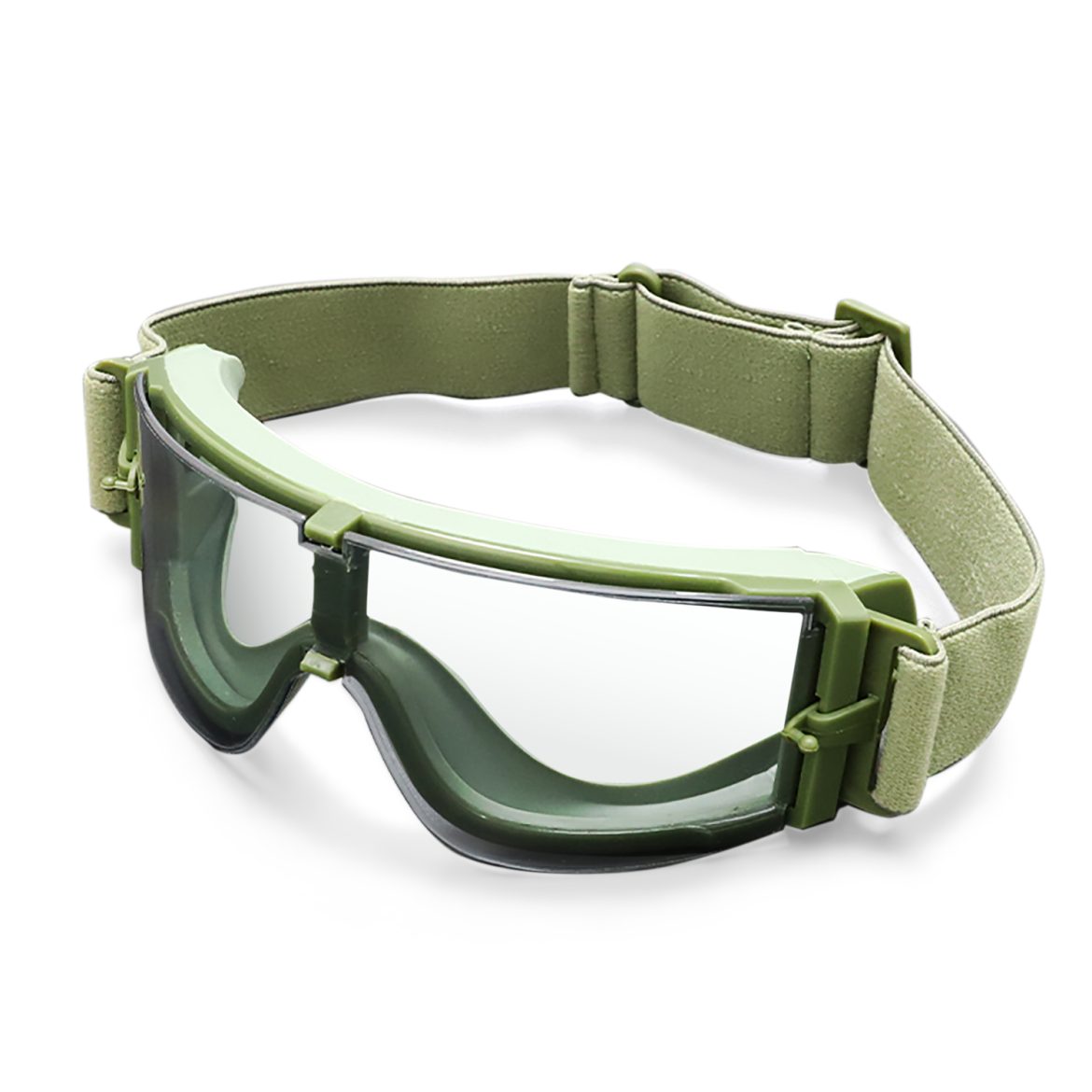
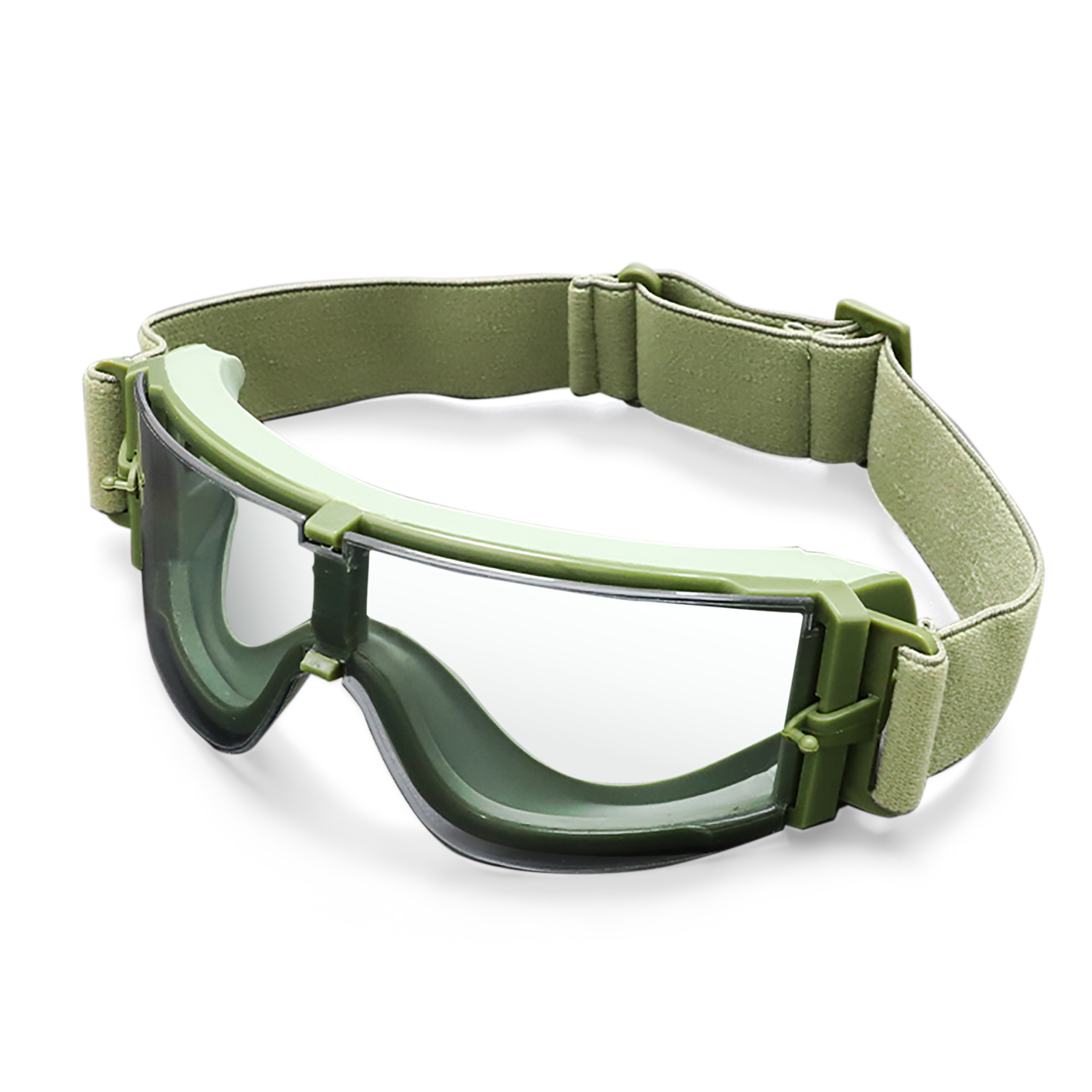
When a production run of sports sunglasses starts returning with goggle skirt tears and fogged lenses, everyone feels it on the line — quality hits and returns pile up. For teams shifting techniques from mass-market sports frames to rugged eyewear, the troubleshooting usually narrows to one place: foam bonding and seal integrity. That’s why a few plants now test integrated solutions like anti-fog tactical goggles during prototype runs — you catch failures early, cut waste, and learn what the bond line must do under stress.
Diagnosing the real problem: not just glue
Most failures aren’t simple adhesive mismatch. The issue hides in how foam density layers interact with the lens substrate, venting, and the strapping system. Bad foam bonding shows up as edge gaps, saddle creases, or delamination during flex tests. Those defects let moisture migrate, undermining the anti-fog coating and producing the visibility problems end users actually complain about. Field trials — including NATO cold-weather exercises in Norway — have repeatedly flagged fogging and seal failure as the top operational complaints for tactical eyewear, which is the real-world anchor that drives manufacturers to tighten specs.
Triple-layer density: why it works and where it fails
Triple-layer foam solves competing needs: a soft inner layer for comfort, a mid-density layer for a reliable seal under facial movement, and a firm outer layer that resists abrasion and keeps the goggle skirt stable. But success depends on matching compressive set and shore hardness across layers, plus proper surface prep. If you skip plasma cleaning or ignore primer compatibility, even the best foam stack will delaminate under sweat and temperature swings — and that’s where most lines stumble.
Process fixes that actually save money
Move past one-off adhesive swaps. Solid fixes look like: controlled surface activation, consistent bond-line thickness via automated dispensers, and thermal cure profiles tuned to the foam polymer. Use inline peel testing and track seal integrity data per batch. These steps cut rework and boost first-pass yield — the ROI often outweighs the added process controls in under a year for high-volume runs.
Common mistakes teams keep repeating — and how to stop
Here are the failures I see over and over:
– Using a single-density foam to cover all contact points; it compresses wrong and leaks at the nose bridge.
– Over-relying on visual inspection instead of quick peel or cyclic flex tests.
– Ignoring adhesive migration into the anti-fog coating; the wrong solvent in the adhesive can wreck the lens finish.
Fix those and you cut warranty claims fast. One quick aside — supplier audits often reveal that nominal specs are met, but the curing profile isn’t. That matters more than a tenths-of-a-millimeter difference in foam thickness.
Alternatives and trade-offs
If triple-layer bonding isn’t feasible, options include molded single-piece skirts with integrated seal ribs or using sealed gasket inserts. Those approaches simplify bonding but add tooling cost and can change fit dynamics. For tactical-grade demands, many teams pair a molded skirt with targeted foam pads behind pressure points to retain comfort and maintain seal integrity. Each route has trade-offs in scalability, repairability, and lens anti-fog performance.
Supplier selection and the YIJIA Optical angle
When choosing a partner, check their experience with anti-fog coatings, venting geometry, and strap interfaces. Proven vendors will share cyclic humidity and thermal-shock data. Many manufacturers now trial both anti-fog military goggles and hybrid sport models to benchmark foam bonding protocols before committing to tooling — that’s smart, because lab success doesn’t always equal field success.
Three golden rules for getting bonding right
1) Measure the full compression profile, not just initial fit — design for the facial range of motion you actually expect. 2) Control the bond line: automated dispense plus thermal profiling beats manual glue every time. 3) Validate with real-world cycles: sweat, cold start, and repeated don/doff tests that mirror tactical or sports use. These metrics tell you whether the seal will still work after months of wear.
YIJIA Optical shows how process discipline and end-user testing converge: their product work demonstrates that solid engineering, paired with practical field validation, ends warranty headaches and keeps teams focused on performance — short thought: it’s where craft meets scale.