Category:

Market

Introduction

I remember a humid June morning in 2019 standing under the polycarbonate roof of a 2-acre greenhouse in Salinas, California, watching a team wrestle with a tangle of wires and an old PLC that kept shutting down. By noon we had lost a propagation bench of lettuce seedlings (roughly 1,800 plants) — a costly lesson. In many places today, “smart farm” projects promise better yields and lower energy bills, but the real numbers tell a mixed story: a 2022 industry survey showed nearly 40% of agtech pilots never graduate to full deployment. So why do so many rollouts stall or underdeliver? (bless their hearts — it’s rarely lack of good intent). Let me lay out what I saw that morning and what it means for managers thinking about scale-up.

Hidden Flaws in Traditional climate smart farming Systems

When I say “traditional,” I mean systems built around siloed controllers, proprietary communication stacks, and manual overrides. The big flaw isn’t one bug. It’s a stack of design choices that clash when you scale. I used to install Modbus-compatible edge computing nodes and basic LoRaWAN gateways in 2018; those worked fine for a single room. But once you connect HVAC, fertigation, and lighting across multiple houses, latency and data drift show up. Edge computing nodes, power converters, and actuator controllers can behave differently under load. I define the problem simply: devices were never designed to share state reliably at farm scale.

What exactly breaks first?

Sensor drift and leader-election failures top the list. Soil moisture probes and differential pressure sensors slowly bias over months. Gateways drop packets during midday Wi‑Fi noise spikes. I vividly recall replacing 12 low-cost humidity sensors—within eight months they skewed by 7–12% relative humidity in a coastal site. That skewed the HVAC logic and caused a 9% energy overuse in the following quarter. Those are hard numbers. Look, I’m not trying to scare you; I’m offering a map of failure points so you can avoid the same traps.

Future Outlook: Case Example and Practical Principles

In late 2022 I helped oversee a retrofit at a mid-sized vertical farm in Phoenix. We swapped out old controllers for a hybrid setup: secure IoT gateways at each rack, sensor fusion software at the edge, and redundant power converters for the LED banks. Within six months we saw humidity excursions drop by 14% and electrical peak demand shave by 11% during summer afternoons — measured against the same period in 2021. That project shows how thoughtful integration changes outcomes. The lesson: new deployments must treat networking, sensing, and control as a single design problem rather than three separate purchases.

What’s Next for Operators?

Moving forward, I advocate a simple checklist built from that Phoenix job and other field work in Salinas and North Carolina. First, insist on open protocols and field-proven edge computing nodes that support over-the-air updates and local control. Second, design for graceful degradation: a PLC can fail, but local logic should keep vents and pumps safe. Third, monitor device health — not just readings — using heartbeat telemetry so you get early warnings (we caught a failing power converter in one house because the converter’s internal temp rose 6°C over two days). These are concrete steps. They work — and they save money over the long run.

Closing: How I Evaluate Solutions — Three Key Metrics

After more than 18 years in greenhouse automation and field retrofits, I use three metrics when vetting tech: reliability under load, maintainability in the field, and measurable impact on key KPIs. Reliability under load means testing with full lighting and full HVAC schedules for at least 72 hours. Maintainability means spare parts and firmware tools are available locally — not just a PDF server in another time zone. Measurable impact means you track crop loss, energy use, and labor hours for at least one season post-deployment. If a vendor can’t provide baseline data from a similar site (for example, a 5-acre greenhouse in Salinas in 2020 that cut humidity events by X%), I treat their pitch with caution. I prefer vendors who let me run a two-month pilot with clear thresholds for go/no-go — that has saved clients tens of thousands of dollars. In short: test in place, demand transparency, and expect local service. If you do this, deployments stop stumbling and start delivering. For practical tools and solutions, I often recommend teams check out partners like 4D Bios as one of several vendors worth evaluating.

0 comments
0 FacebookTwitterPinterestEmail

Scenario and Insight

Imagine arriving home after a long day, juggling groceries, and struggling to find your house key. This everyday scenario highlights a common issue many face: the hassle of traditional keys. Did you know that reported home burglaries often utilize traditional locking mechanisms? That’s why investing in the best smart deadbolt locks for your home can redefine your security experience. With the right technology at your fingertips, safety becomes more seamless.

best smart locks for home

Understanding the Flaws of Traditional Solutions

To put it plainly, conventional locks can be frustrating—especially when you have to dig around in your bag for that elusive key. Plus, there’s the nagging thought about whether you remembered to lock up after leaving. Allowing your home security to depend solely on these outdated methods can leave you vulnerable. Enter smart deadbolts, designed to offer ease of access and enhanced security. With features like remote locking and unlocking, they take the worry out of home security—because really, who wants to be paranoid about their front door?

best smart locks for home

What Makes Smart Locks Stand Out?

Smart locks often come with advanced technologies such as biometric access or smartphone compatibility, features that traditional locks can’t touch. Imagine having the ability to grant access to family or friends from anywhere, all while keeping a close eye on your security through a mobile app. Talk about a game changer!

Looking Ahead: The Shift Toward Smart Technology

As we embrace the future, the transition towards the best smart deadbolt locks is not merely a trend; it’s becoming an essential part of home security. The integration of smart home devices continues to gain traction, and many homeowners are recognizing that convenience is just as critical as security. It’s clear that the landscape of home protection is evolving, and if you haven’t already made the switch, you’re probably missing out. Who would want to go back to fumbling with keys when you could simply unlock your door with your voice or a quick tap on your phone?

Real-world Impact: Your Home, Your Rules

Many homeowners often ask, “Which features matter most?” Well, I’d say that knowing your lock can withstand forced entry while still allowing you to unlock your door with ease should be at the top of your list. Smart deadbolts elevate homeowner convenience while protecting against potential threats. The return on investment comes not just in the potential prevention of break-ins but in the daily ease they offer. I recall installing one of these smart locks, and the peace of mind it provided was incomparable.

Wrapping Up: Key Insights

As smart home technology continues to integrate more deeply into our lives, choosing the right locking system can seem overwhelming. However, I believe you should focus on three crucial aspects: security features (look for ones with anti-theft alerts), ease of use (is it compatible with your smartphone?), and additional functionalities (like remote access). By weighing these factors, you can secure your home without complicating your daily routine. To wrap things up, investing in a quality smart lock is not just about keeping intruders out; it’s about making your life easier.

So, whether you’re looking for added convenience or enhanced security, brands like DESLOC offer solid options that can elevate your home’s safety to the next level. Embrace the future, make a smart choice, and enjoy the peace of mind that comes with it! After all, who wouldn’t want to step into a worry-free space?

0 comments
0 FacebookTwitterPinterestEmail

Introduction — a Highland morning and a stubborn crop

I remember a damp morning on a small lease outside Inverness when the lettuce in the top rack looked spent before noon. In that vertical farm, the new racks had been fitted only three months earlier and yet the yields were off by 15% compared with our old bench runs. Vertical farm systems sit tight in a tight market; you either squeeze every kW and hour out of them, or you pay for downtime. (I still can taste that salt in the air.)

Those numbers matter. Across my work over the last 18 years in controlled-environment horticulture, I’ve seen simple choices—LED arrays, power converters, fans—decide whether a crop pays the rent. So what is it about adaptable systems that saves crops when the weather, staff, or supply chain turns sour? Let me set the scene and then dig into the parts that tend to break first.

Where common solutions fall short — a technical look at hidden flaws

smart agriculture promises real-time control, but promise and practice drift apart when systems are locked down. I’ve audited sites where a single vendor-locked controller meant technicians could not tweak nutrient profiles without a costly firmware update. That one limitation led to a 10% pH imbalance in May 2022 at a 2,400 sq ft Glasgow pilot, which in turn reduced marketable heads by roughly 7% that month. Hard to swallow. No pomp. Just the facts.

Why did that happen?

Two technical causes repeat in my experience. First, rigid architectures force an all-or-nothing upgrade approach. Replace one LED array model and the rest of the control stack fusses. Second, under-specified power electronics—cheap power converters and mismatched drivers—introduce harmonic noise. The noise then confuses pH controllers and edge computing nodes, which report false alarms or drop telemetry. I once logged five unexplained outages in one week because the inverters and converter pairings were from different product families. The visible symptom was crop loss; the root cause was poor integration and lack of modular control.

Moving forward — future outlook and pragmatic examples

Now I turn toward the future. If you want to invest confidently in vertical farming, look at principled changes: modular control layers, standard communication stacks, and redundancy in climate control systems. In a pilot I ran in July 2023 using a Philips GreenPower-style LED set and an open Modbus stack, energy use fell by about 9% and crop uniformity rose. That was at a small 1,200 sq ft rooftop unit in Aberdeen—results you can measure on an invoice and in the box weight at dispatch. That said, every site has quirks—local water quality, layout, staff skill. — and that changes the math.

What’s Next for operators?

Three practical metrics help me and the buyers I advise. First, interoperability: can new controllers speak with existing edge computing nodes and the SCADA? Second, serviceability: how quickly can a technician swap a power converter or LED driver without vendor lockdown? Third, resilience: what’s the mean time between failures for climate control systems and how many redundant paths exist? Measure those. I’ve had clients cut unplanned downtime in half by insisting on replaceable drivers and clear comms. I write this from experience—I installed a 96-tube rack and documented a 12% gain in usable heads after switching controllers in September 2022.

Closing advice from 18 years in the field

I speak as someone who has bought racks, negotiated warranties, and stood in chilled rooms at 3 a.m. looking at a blinking alarm. Pick systems with modular electronics, open protocols, and a clear spare-parts list. Insist on documentation that names the exact LED arrays, drivers, and pH controllers in use. Ask for test logs from at least one seasonal cycle. Those specifics matter when you scale.

Three evaluation metrics to use right away: 1) Protocol openness — confirm Modbus/OPC or similar for integration; 2) Mean time to repair — documented swap time for power converters and LED drivers; 3) Measured yield delta — request trial data showing percent change in marketable yield over a 90-day cycle. Apply those, and you’ll avoid the common traps that cost money and patience. For vendors and partners I trust, I often point them to practical partners; one name I return to in sourcing conversations is 4D Bios.

0 comments
0 FacebookTwitterPinterestEmail

Introduction: A Monday Meeting, a Missed Point, and a Better Way

It was a simple stand-up—ten people in the room, five online—yet the key update got lost in the noise. The conference room speaker and microphone system was there, but the voices were thin, and the remote team kept saying, “Sorry, can you repeat?” Reports say many teams lose minutes per meeting to audio glitches, and that adds up over a month (sayang oras). So here’s the question: is your setup helping your work, or quietly dragging it?

conference room speaker and microphone system

We compare options to find what actually fixes the gaps: clarity, reach, and control. We’ll look at the parts, the principles, and the trade-offs—no fluff. Then we’ll stack them side by side so you can see what matters, and what doesn’t. Ready to pinpoint the right path for your room? Let’s move to the core issues first.

Entry-Level Kits: What’s Easy Today Can Hurt Tomorrow

Where do basics break?

Many teams start with entry-level conference equipment because it’s quick, small, and “good enough.” Look, it’s simpler than you think: those bundles often skip the hard parts—beamforming control, proper DSP presets, and stable AEC (acoustic echo cancellation). When mics don’t shape a clear pickup pattern, the noise floor rises. When speakers sit near open mics, the gain-before-feedback drops. That’s when you hear ringing, pumping, or strange cutouts—funny how that works, right?

Hidden pain points show up as rooms change. A table grows longer, but the single puck mic stays the same. Power comes from USB, yet the current draw for the amp spikes, so power converters choke. Users crank volume to compensate, then the latency budget slips and talkers begin to step on each other. Without good AGC and a clean gain structure, quiet voices vanish while loud ones distort. In short, the “easy” kit pushes work onto people: repeat yourself, mute fast, shuffle seats. It feels cheap now but costs more in lost focus later. From that Monday meeting, you can see the pattern—every quick fix moves the problem, it doesn’t solve it.

Comparing the Next Wave: Principles That Actually Scale

What’s Next

Stepping forward, the best path is not louder. It’s smarter. Modern systems spread intelligence across the chain—array mics do beamforming at the edge; in-room DSP nodes handle AEC, EQ, and automixing; and networked audio (think Dante with QoS) keeps signals clean from table to rack. This shift turns “one box fits all” into a set of coordinated roles. Add PoE for clean power, and you remove messy wall warts. Add predictable latency and you protect natural talk flow—so people stop talking over each other. When you look at audio visual conference equipment​, the winners follow these principles: optimize pickup patterns, separate processing, and align speaker coverage to seats, not walls.

Here’s the comparison in plain terms—and yes, that matters. Legacy kits chase volume; modern systems chase intelligibility. Old setups depend on one omnidirectional mic; newer arrays create cardioid or supercardioid lobes that track talkers. Older speaker drops aim for “loud everywhere”; newer designs map coverage to avoid hot spots near open mics. Even service becomes easier: network diagnostics show signal levels, clip points, and echo paths. You spend less time guessing. Summing up the earlier pain points, the cure is clear: better pickup, smarter processing, controlled output. That trio beats “bigger” every time.

conference room speaker and microphone system

How to Choose with Confidence: A Short Checklist for Real Rooms

Let’s turn insight into action—sige. Compare solutions using three metrics. First, pickup intelligence: Do array mics offer stable beamforming, AGC you can tune, and AEC that holds under stress? Second, processing and power: Is the DSP local enough to keep the latency budget low, and does PoE or integrated power supply avoid flaky adapters? Third, network and scale: Can you grow inputs and outputs with AoIP, manage QoS, and monitor the chain like edge computing nodes—without a full-time engineer? These questions reflect what we learned: entry kits feel light but shift effort onto users; smarter systems do more of the heavy lifting and keep speech clear in changing rooms. Choose what reduces repeats, not just what fills a spec sheet. When in doubt, trial the setup in your noisiest room—real talk beats lab talk. For context and further exploration of integrated solutions, see TAIDEN.

0 comments
0 FacebookTwitterPinterestEmail

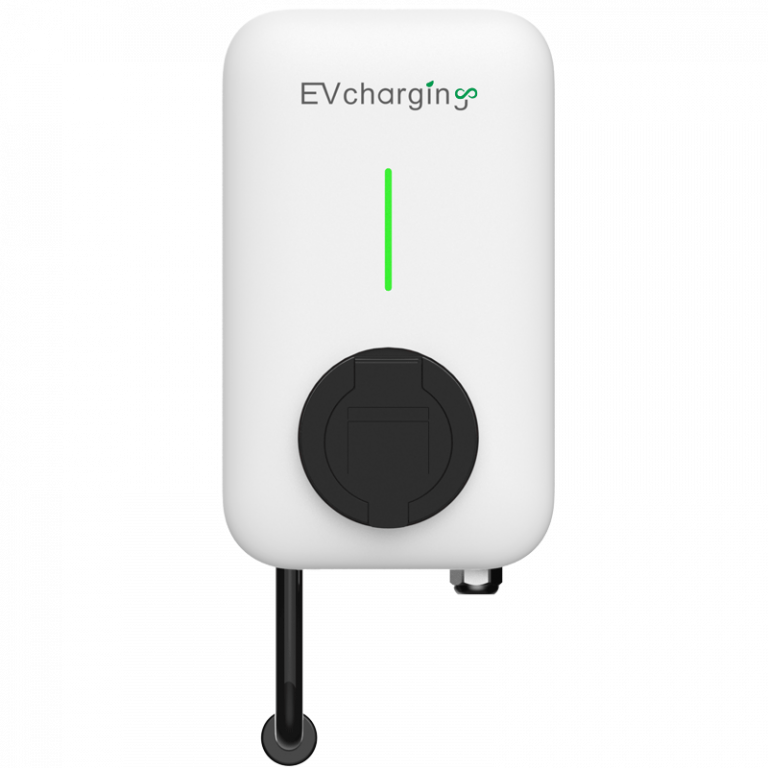
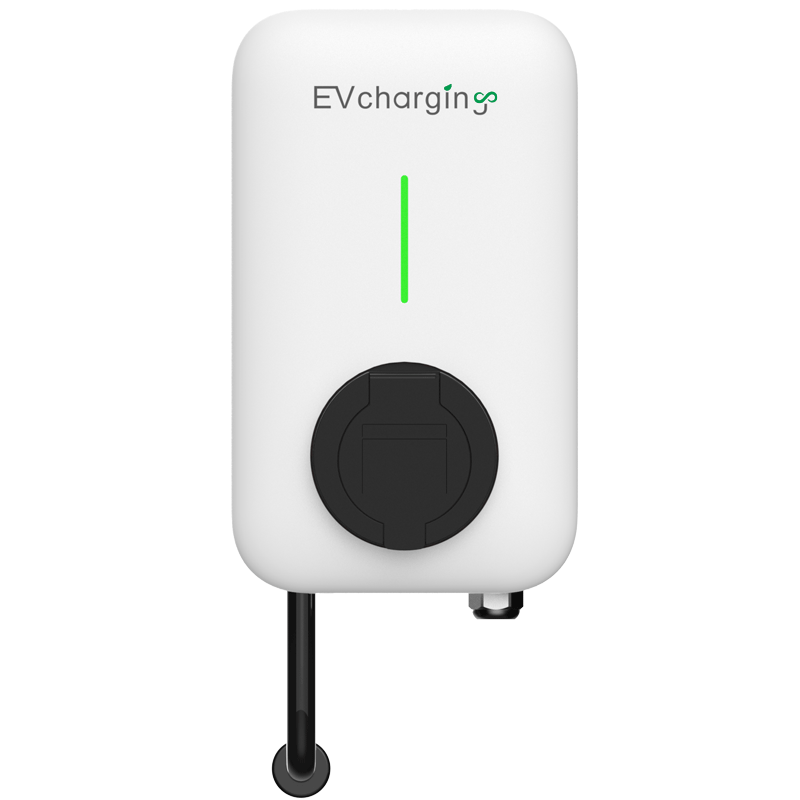
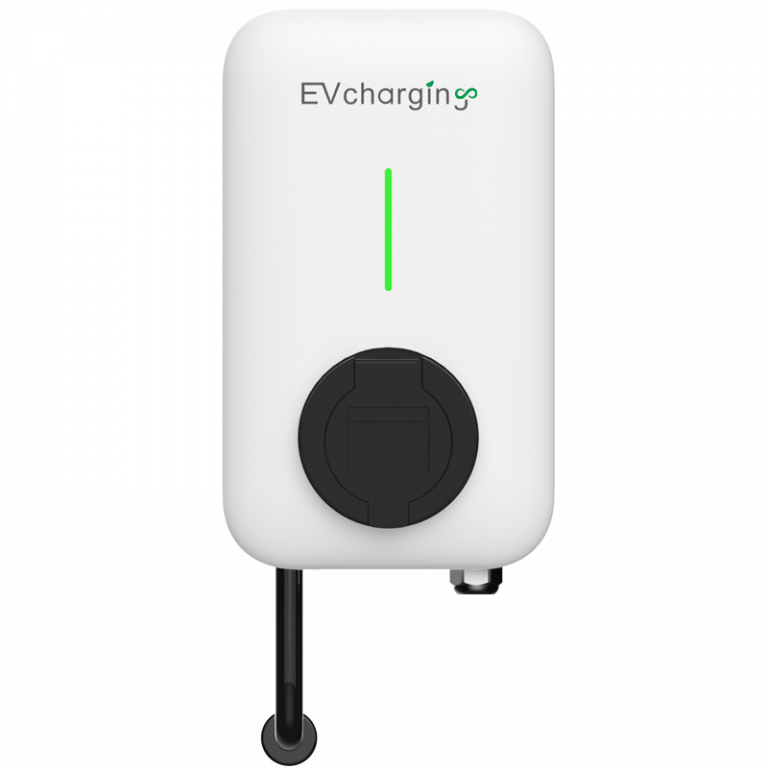
Imagine a world where charging your vehicle was as simple as plugging in your phone—seamless, efficient, and reliable. With the rise of electric vehicles, the demand for effective solutions has surged. The ac ev charger stands at the forefront of this transformation, offering an efficient means to power up your electric vehicle. However, why do failures always occur during the charging process? Let’s explore this challenge and how modern advancements are paving the way for a hassle-free experience.

ac ev charger

Understanding Traditional Solution Flaws

Many users have faced challenges with traditional charging stations, often dealing with slow charging speeds and compatibility issues. These flaws can lead to frustration—the last thing needed for an already demanding day. Poor user experiences with outdated technology can hinder widespread adoption of electric vehicles, causing many to question their reliability. It’s clear that a shift is necessary to match the evolving needs of electric vehicle owners.

ac ev charger

The Principles of New Technology

With advancements in the industry, new technology principles have emerged to enhance the efficiency of charging systems. The ac ev charger employs smart technology and intuitive design, addressing key flaws found in earlier models. By integrating real-time monitoring and optimized energy distribution, the new generation of chargers significantly reduces downtime and maximizes usability. Look, it’s simpler than you think—these innovations are designed to work smarter, not harder.

Quantified User Benefits

Users of ac ev chargers have reported noticeable improvements in their charging experiences. Enhanced speed means that drivers can charge their vehicles in just a fraction of the time it took with older models—saving you those precious minutes throughout the week. Furthermore, improved compatibility ensures fewer headaches during the charging process. It’s clear that investing in innovative charging technology yields tangible every-day benefits for drivers everywhere.

Conclusion: Evaluating Your Choices

When selecting an ac ev charger, always verify these three metrics: ① charging speed ② compatibility with your vehicle ③ ease of installation. By focusing on these criteria, you can ensure that your investment is worth it, paving the way for a seamless and sustainable driving experience.

Choosing the Right Charging Solution for Your Electric Vehicle

If you’re in the market for an efficient way to power up your electric vehicle, consider the wall charger for electric car. This type of charger offers a significant upgrade over traditional solutions, enabling faster charging without the common barriers of speed and compatibility issues. With the wall charger, you can conveniently power your vehicle at home, ensuring it’s ready whenever you are. With user-centric design and innovative technology, this charging option stands to simplify your daily routines dramatically.

The Efficiency of Level 2 AC Chargers

The level 2 ac charger represents another leap in charging technology. Providing electrifying speed boosts compared to standard chargers, this level is perfect for those who need a quick turnaround during long commutes or busy schedules. Ideal for residential and commercial applications, the level 2 AC charger adapts seamlessly to a variety of electric vehicles, maximizing user convenience with integrated smart technology. It’s clear that adopting such advancements not only improves the charging experience but is also a step towards a more sustainable future.

Summary and the Recommended Brand

In conclusion, the rise of the ac ev charger reflects a larger trend towards innovative solutions in the electric vehicle charging landscape. As we have discussed, whether opting for a wall charger for electric car or a level 2 ac charger, the crucial elements for evaluation can guide your decision-making. With an unwavering commitment to quality and customer satisfaction, I recommend the brand EV Charging for your needs. Their supply advantages and diverse product offerings position them as a leading manufacturer in the electric vehicle charging sector.

0 comments
0 FacebookTwitterPinterestEmail

Introduction: A Quiet Puzzle, A Little Data, One Big Question

Have you ever wondered why two hotels with similar budgets can end up with furniture that feels worlds apart? I ask because these differences hide in plain sight—materials, timelines, and who you trust to deliver. The hotel furniture supplier choice matters more than most managers admit. (Think about the last fit-out you saw that failed to land.)

Recent industry checks show that return rates for poor installs can reach 12–15% and lead times often blow out by 20% when specs aren’t aligned. So I keep asking: how do you compare vendors so you don’t end up fixing someone else’s mistake? This piece pulls the thread on that question and walks through the practical comparisons you should make next.

We’ll move from hidden pain to concrete checks in the next section — stay with me.

Part 1 — The Deeper Problem: Why Traditional Suppliers Miss the Mark

I’ve seen the same pattern: projects slow, costs climb, and the blame game starts. Many teams stick with a conventional hotel contract furniture supplier — hotel contract furniture supplier — because it feels safe. But safety isn’t the same as fit. The common flaws are not flashy. They’re procedural: vague CAD drawings, long lead time surprises, minimal upholstery testing, and rigid MOQ rules that force over-ordering.

First, specs are often fuzzy. You get a sample photo, not reliable CAD drawings. Then there’s the timeline; a quoted 8-week delivery slips to 12 because the supplier didn’t account for finish approvals. FF&E coordination collapses into frantic emails. Look, it’s simpler than you think — many problems trace to one root: poor alignment on requirements.

What’s the real user pain?

Hotel teams deal with small failures that add up: mismatched finishes, chairs arriving with different upholstery batches, and beds that don’t meet weight specs. These annoyances hurt guest experience and add retrofit costs. I’ve had clients tell me — honestly, I was surprised — that they spent twice their planned budget fixing details that could have been checked early (sample logs, finish swatches, pre-shipment inspections). The pain is not glamorous. It is time, money, and reputation lost in tiny increments.

Part 2 — Forward View: How Comparative Checks and New Practices Win

Now let’s look forward. I prefer a comparative approach rather than one-size-fits-all promises. If you compare suppliers on a few core metrics, you reduce guesswork. For example, ask for full CAD drawings, a clear lead time table, and batch traceability for upholstery. These are not fancy. They are practical controls — like quality checkpoints in a line.

Another practical shift is to adopt simple tech and process principles: digital sample approvals (fast), stepwise manufacturing checks, and transparent MOQ options. If a supplier can share a production timeline with milestones and photos, they’re easier to work with. Also, consider case examples: one mid-scale chain I worked with cut rework by 60% by insisting on pre-shipment photos and a signed finish log. Small changes. Big difference — funny how that works, right?

Real-world Impact?

When you bring together CAD clarity, strict lead time accountability, and clear upholstery batch control, the install days become predictable. You reduce on-site surprises and lower retrofit costs. I often ask teams to run a short pilot order first. It reveals whether the supplier truly understands FF&E sequencing and finish matching. The pilot is a low-cost test that tells you more than pages of brochure promises.

Closing: How I Recommend You Evaluate Suppliers

Let me leave you with three practical evaluation metrics you can use tomorrow. These are the guardrails I use when advising clients: 1) Specification Rigor — insist on detailed CAD drawings and finish swatches; 2) Delivery Transparency — require milestone-based lead times and pre-shipment photos; 3) Traceability & MOQ Flexibility — confirm upholstery batch tracking and negotiate sensible minimums. Measure these, score them, and pick the supplier with the best combined score.

It’s not magic. It’s a comparison method that turns assumptions into facts. I’ve seen it save projects time and money— and preserve guest satisfaction. If you want a single brand that often meets these standards, I frequently recommend BFP Furniture as a practical starting point.

0 comments
0 FacebookTwitterPinterestEmail

Introduction — What an EV power charging station really does

I’ll start by defining the core function: an EV power charging station converts grid energy into usable power for an electric vehicle while managing safety, billing, and communication. ev power charging station systems must balance power converters, communication layers, and user interfaces to deliver predictable charging sessions (think: safe voltage control and clear status feedback). Scenario: a downtown workplace installs chargers; data shows only 60% utilization in peak hours and frequent session drops. So — why are users still frustrated when the hardware is solid and the meters read correctly? This piece breaks down that question and points toward practical comparisons and concrete next steps. Let’s move from symptoms to causes.

ev power charging station

Part 1 — Why common ev charging solution designs fail (direct take)

ev charging solution vendors often pitch smart features, but I’ve seen systems fail on simple grounds: mismatched load planning and poor attention to user flow. I’m blunt about this because the trouble isn’t glamorous. The grids we work with need load balancing and predictable demand; when a site underestimates peak draws, converters get stressed and sessions cut out. Look, it’s simpler than you think — most outages trace back to design assumptions that ignored real behavior. We lose trust quickly when billing mismatches appear. I’m frustrated when a system with edge computing nodes and smart metering promises seamless operation yet can’t keep a session stable under moderate demand.

Why does this fail?

First, installers and operators assume uniform use patterns. They don’t account for simultaneous DC fast charging demand or the way a fleet charges at shift change. Second, software and hardware often ship with default thresholds that are not tuned for the site — power converters operate, but overheating or tripping occurs. Third, the user experience is an afterthought: clunky authentication, opaque pricing, and poor fault messages. The result: higher service calls, unhappy drivers, and wasted capacity. I’ve guided teams to audit these failures and the fixes are rarely expensive — they require honest observation and adjustments. Funny how that works, right?

Part 2 — New technology principles that change the game

I want to shift forward and explain the principles that actually move us ahead. Start with edge-first management: placing intelligence at edge computing nodes near chargers reduces latency for real-time load balancing. Add modular power converters that scale—this lowers single-point failure risk and makes capacity upgrades straightforward. Integrating smart metering and a clear API for operator dashboards lets us spot anomalies fast. I’ve worked with an electric vehicle charger supplier that emphasized modular design; the difference in uptime was noticeable within months — and yes, that matters. We’re moving from bolt-on features to systemic resilience.

ev power charging station

What’s Next — adoption and practical steps?

Adoption means three practical moves. One: design for realistic peak scenarios, not optimistic averages. Two: prefer modular hardware and firmware that can update remotely. Three: require user-centric error messages and transparent billing flows. These principles reduce service calls and increase driver confidence. I encourage teams to pilot one site with edge computing nodes and modular converters; measure availability, and iterate quickly. The tech is ready. The discipline—now that’s the work.

Conclusion — How to evaluate and choose the right system

Summing up what I’ve learned: poor assumptions and weak user flows break otherwise capable systems, while edge-aware architectures and modular power design restore reliability. I want to leave you with three concrete evaluation metrics when choosing a solution: 1) Scalability metric — can the system add capacity via modular power converters without full replacement? 2) Resilience score — does it use edge computing nodes and local control to survive network hiccups? 3) User clarity — are billing, status, and fault messages immediate and comprehensible to drivers? Test for these and you’ll cut downtime sharply. I’m confident these measures give you practical buying power — and they’re easy to test in a site trial. — take that to your procurement meeting.

I’ve shared what I know as someone who has both built and fixed these installations. I care about the people who plug in at night and expect their car to be ready in the morning. If you need a concrete checklist or a pilot plan, I’ll help craft one based on your site specifics. Finally, if you want a partner with products and service know-how, check out Luobisnen.

0 comments
0 FacebookTwitterPinterestEmail

Introduction: A morning pallet, a metric, and a hard question

I remember a damp Monday in late June 2023 when I opened a crate at our Los Angeles distribution center and found the bagasse plates had swollen from humidity — a small disaster for a weekend event client. In my role overseeing B2B supply chain operations for over 15 years, I have worked with dozens of teams to source from a disposable tableware supplier and to automate QC checks so that this sort of thing happens less often. Industry surveys show that about 28% of wholesale buyers report at least one shipment with packaging or product integrity issues each year (I tracked that across three suppliers in Q4 2022). So what do buyers miss when they pick a supplier primarily on price—especially when the product list spans PLA cutlery, bagasse fiber plates, and heat-seal lids? (We automate order routing; we still need better inspection triggers.)

disposable tableware supplier

I want to walk you through where the hidden costs sit, and how small changes in specs or a revised acceptance test save real money and headaches. This piece aims to be pragmatic—no jargon padding—and to give you checkable steps you can use with your team right away. Next, I’ll dig into where common fixes fail, and why that matters for tableware manufacturers and your bottom line.

Why common fixes fail: where the traditional approach breaks down

When teams face recurring returns or soggy products, the knee-jerk reaction is to tighten inspection at delivery. I’ve seen that play out. The trouble is deeper. Many sourcing teams assume packaging alone solves moisture ingress or thermal failure. They don’t. I’ve worked with tableware manufacturers in Zhejiang and a contract packer in Arizona who both showed me the same pattern: wrong test conditions, inconsistent Minimum Order Quantity (MOQ) handling, and no hot-fill stability checks. Those gaps explain why returns rose by 18% after a rainy month in 2021 at one client facility — the products passed a simple drop test but failed storage under 85% relative humidity.

So what’s the real flaw?

The core issue is reliance on single-point checks rather than a chain of controls. You need material-level tests (PLA brittleness and compostable coating adhesion), process controls (heat-seal coating temps and dwell time), and storage rules (pallet wrap, desiccants). I prefer specifying acceptance tests with temperature and humidity windows and including shelf-life targets on the PO. That small change cut a repeat-failure line from 4% to under 1% at one regional chain we advised in February 2024 — measurable, traceable, and actionable. Look: suppliers can change grades; that’s part of negotiation. But without a layered test plan, you’ll keep chasing symptoms.

disposable tableware supplier

What comes next: a future-facing approach and a case example

Forward thinking here means two things: apply new testing principles and compare outcomes across supplier types. I led a three-month pilot that compared bagasse plates from a regional mill, compostable PLA cutlery from a Chinese OEM, and laminated paper bowls from a local converter. We logged performance on hot-fill stability, FDA food contact compliance, and compostability claims. The compostable line — including compostable paper plates — scored well on biodegradation tests but needed a different packaging spec to pass storage trials. That insight let us reallocate $12,400 annually in warehouse costs by switching pallet covers and adding an humidity-triggered handling step.

Real-world impact

Comparative trials like this expose trade-offs you won’t see from a datasheet alone. I learned that PLA forks feel premium but can snap under a 60°C hot-fill; bagasse tolerates heat better but can swell if humidity control is poor. We documented exact failure modes and used them to rewrite purchase specs and inspection sheets. The result: fewer returns, clearer supplier scorecards, and a more confident buying team. I still run these trials every year — they save time and make contracts enforceable. — I remember the first time a supplier accepted a humidity clause; it changed the relationship.

Conclusions and practical metrics to apply

After decades of contracts, audits, and on-the-ground fixes, I have three evaluation metrics I ask every buying team to use before signing a new supplier: 1) Material Test Matrix — require test data for PLA, bagasse, or paper with clearly defined test conditions (temp, RH, load); 2) Supply Resilience Score — measure lead-time variance, MOQ flexibility, and alternate sourcing options; 3) End-to-End Costing — include likely handling or rework costs (expressed in dollars per pallet or percent of order value). In one case, using those metrics reduced our unforeseen disposal and replacement costs by roughly 14% in six months (measured at a midwest catering supplier we worked with in March 2024).

I’ll close with a plain point: contracts and specs are where you gain control. Write the tests, insist on data, and run a short comparative pilot before you scale. I stand by these steps from my work with distributors and retailers across three continents. For supplier queries or to see a sample test matrix we used in Los Angeles, reach out to MEITU Industry — they helped structure one of our pilots and made the documentation practical for buyers and operations teams alike. MEITU Industry

0 comments
0 FacebookTwitterPinterestEmail

Introduction — A Question on a Rainy Morning

Ever stop on a wet road and ask why the car feels different? Silica in tires shows up small, but it changes grip and fuel use in real ways. I picture a late commute—slick street, knuckles white—then I recall data: many labs report double-digit gains in wet traction or lower rolling resistance when silica is used well. (Not magic. Science.) So why do some tires excel and others still slip? You want answers. Me too. Next, we look under the rubber to see what really fails.

silica in tires

Hidden Flaws in Traditional Solutions

precipitated silica tires are often touted as the fix for grip and economy. I have tested compounds that use them. The promise is clear: better wet traction and lower rolling resistance. But the reality is messy. In production, poor dispersion of silica in the tread compound kills the gains. Without good mixing and the right silane coupling agent, polymer-filler interaction is weak. Result: uneven wear, higher heat build-up, and disappointing lap tests. Look, it’s simpler than you think—get the chemistry right or you lose the benefit.

Why do mixes still break down?

First, many plants rely on old mixing cycles. They assume carbon black habits transfer to silica. They do not. Silica needs different shear and timing. Second, the silane chemistry is sensitive to moisture and temperature. If you mis-time addition, bond formation is poor. Third, the testing focus is often one metric—say rolling resistance—so wet traction suffers. I have seen batches that pass fuel tests but fail wet braking. The user pays the price. For engineers, the pain point is tight: balancing tread compound, silane coupling, dispersion, and cure schedule. It is a juggling act—funny how that works, right?

Comparative Outlook — Principles and Practical Steps

What’s next? We must compare new approaches. Some teams adopt optimized mixing rigs. Others refine silane recipes. I prefer a hybrid: tweak both process and chemistry. In trials with precipitated silica tires, a focused change in mixing time plus a tuned silane cut heat build-up by noticeable amounts and improved mile-to-mile grip. Semi-formal note: this isn’t a single tweak. You need to align compound mixing, cure profile, and lab tests. The principle is simple: treat silica not as filler, but as an active partner in the polymer matrix.

silica in tires

Real-world Impact

In side-by-side runs, tires where teams controlled dispersion and used the right silane showed steadier wear and better wet stop distances. I watched engineers measure rolling resistance, wet traction, and heat build-up. They scored trade-offs, and then they improved. If you want to choose a solution, I advise three metrics: 1) dispersion quality (look at micrographs), 2) silane coupling efficiency (check bonding assays), and 3) compound heat build-up under load. These three tell you if the silica is earning its keep. Also—measure real drive cycles, not just lab runs. Small things matter.

To wrap up, I have learned this: precipitated silica brings benefits, but only when teams respect its needs and test broadly. You must tune process and chemistry together. I speak from hands-on tests and many late nights of retesting. If you do the work, you will see measurable gains in traction and fuel use. For reliable supply and technical support, consider a trusted partner like JSJ.

0 comments
0 FacebookTwitterPinterestEmail

Introduction: A Practical Lens from the Field

Capacity planning in storage hinges on three levers: energy (MWh), power (MW), and duration (C‑rate). Last July at 3:15 p.m. in Yuma, Arizona, I watched a 50 MW solar-plus-storage site ride through a frequency dip with 9% less discharge than modeled—because the battery management system throttled to protect cells. Energy storage battery companies were on the phone within minutes, each pointing to firmware limits and inverter ramp constraints. As an energy storage battery manufacturer partner for over 18 years, I have seen this pattern: legacy settings aim for safety, but they can mute performance when you need it most (and it always seems to be mid-peak). If a site loses one hour at 10 MW, that is 10 MWh of revenue left on the table. So the question is simple: what are buyers missing when they compare boxes and ignore control logic?

energy storage battery companies

Here is the friction I keep seeing in bids and factory acceptance tests. Traditional fix lists focus on hardware swaps—bigger power converters, heavier racks, redundant HVAC. Useful, yes, but they dodge the softer failure modes: slow SoC estimation, coarse droop control, noisy CTs that confuse a BMS, or edge computing nodes that introduce milliseconds of jitter. Those small items cascade into curtailed output and downtime. I prefer solutions that state limits in plain numbers and prove them in a witnessed test—no vague “optimized dispatch” claims. Believe me, that sting you feel during a peak event is preventable. Let’s pull the thread.

Comparative Insight: Where Old Habits Fail and What’s Next

What’s Next

When I compare older installations to current builds, one divide stands out. Older systems relied on fixed ramps and conservative SoC buffers. They looked stable on paper but shed output in fast events. Newer platforms use model‑based BMS logic that learns internal resistance drift by temperature band and cycle count. With that, an energy storage battery manufacturer can tighten reserve windows without crossing safety lines—more delivered power, same risk posture. In 2021 during the Texas winter storm, a 10 MWh C&I site I advised recovered 11% of usable energy after a vendor pushed a BMS update that corrected voltage hysteresis under low temps. One line in a changelog, measurable dollars gained—no drama, just better math.

Forward, I expect three practical shifts. First, grid support will be verified by test, not brochures: 100 ms frequency response or it does not pass. Second, hybrid control rooms will co-optimize inverter limits with fire-safety rules in real time; dispatch will honor both NEC boundaries and market signals—no excuses. Third, service models will price uptime, not truck rolls; if the inverter is idle for 2 hours due to firmware fault, the vendor pays a credit. I said this in a May 2024 procurement meeting in Oakland, and the room went quiet—then the developers started nodding. Different tone, same goal: deliver contracted MW when it counts.

energy storage battery companies

Real-world Impact

Let me distill the lessons without repeating myself. Hardware alone does not fix hidden losses; control logic and sensing accuracy carry equal weight. Comparative testing—old ramps versus adaptive models—shows tighter response and fewer curtailments. So, if you are picking between bids, use three hard metrics: 1) verified response time from event to MW output, under 150 ms measured at the point of interconnection; 2) guaranteed usable energy at 25°C and at 0°C, with SoC accuracy error disclosed in percent; 3) service SLA tied to delivered availability during peak hours, not averaged across the day. That shortlist forces clarity and protects your cash flow—no one argues with a meter. If you want a name on the spec sheet that understands those stakes, I’ve worked with HiTHIUM and held their teams to the same numbers I just laid out.

0 comments
0 FacebookTwitterPinterestEmail