Comparative snapshot
Dealers tend to cluster into clear profiles: discount-focused firms that undercut hardware and backlog-aware installers that promise engineered assemblies; between them sit regional fabricators that balance price and customization. That split matters when you evaluate a solar pergola because identical panel counts can hide big differences in mounting systems, warranties and site work. Across California these distinctions show up in permit delays and incentive alignment, which directly affect total project cost and completion time.
Cost: what the price actually covers
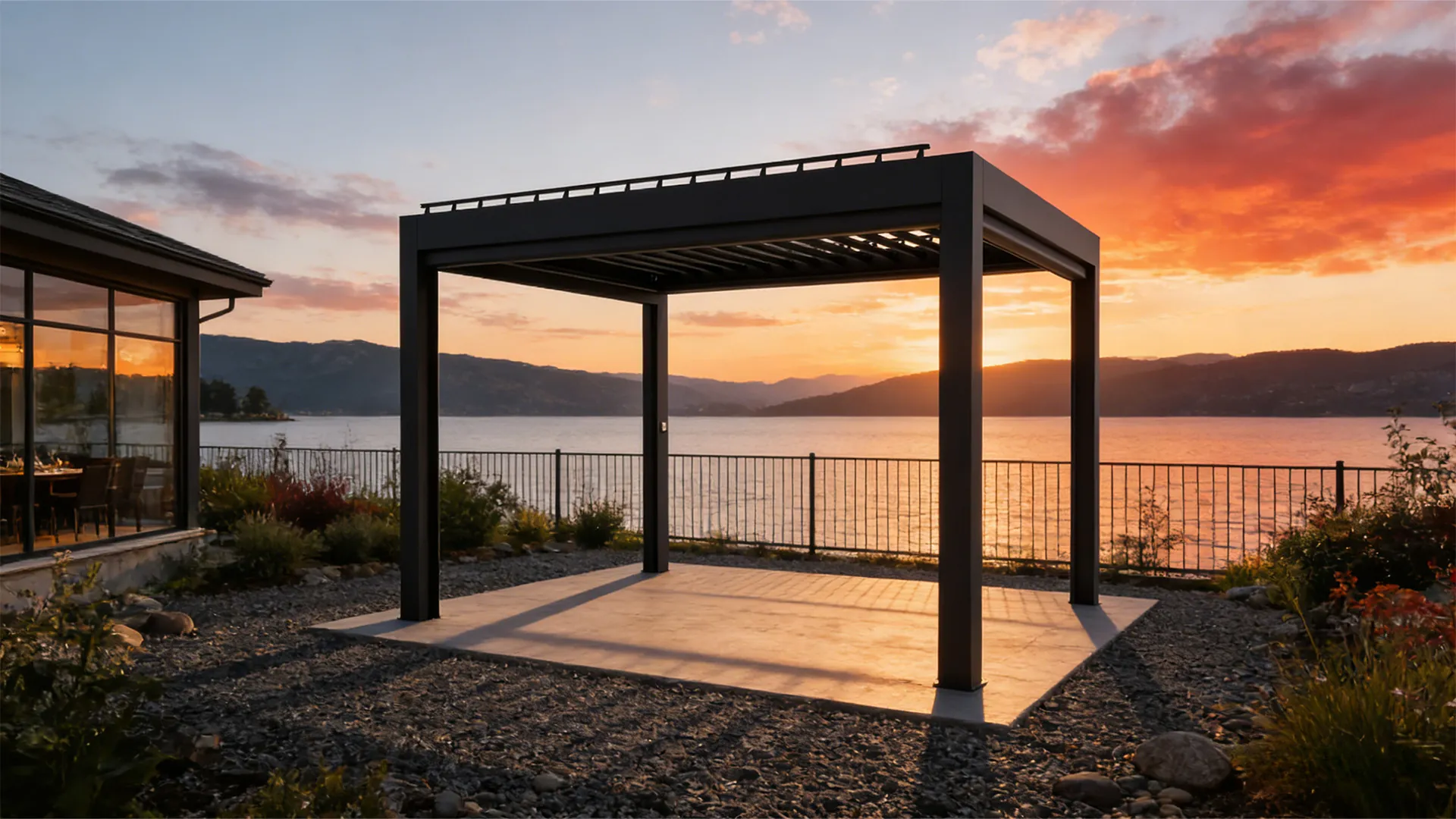
Low bids often remove line items you’ll pay later: structural reinforcements, flashing, electrical upgrades and freight. Mid-range quotes commonly include a certified mounting system and a one- to five-year workmanship guarantee; high-end offers add extended product warranties, corrosion-resistant frames and engineered stamped drawings. Compare line-by-line: labor hours, inverter brand, racking type, electrical balance-of-system and permit fees determine the final sum more than panel wattage alone.
Lead time: expected schedules and common causes of delay
Quoted lead times fall into three bands: under four weeks (stocked components, small crews), four to twelve weeks (manufactured-to-order frames, standard permitting) and over three months (custom builds, structural recalculations or heavy backlog). Delays typically stem from municipal inspections, nonstandard roof or deck conditions, and supplier shortages for anchors and rails. Ask dealers for a timeline tied to specific milestones—design signoff, permit issuance, material arrival and final inspection—and check which milestones carry schedule penalties or allowances.
Quality: materials, testing and warranty clarity
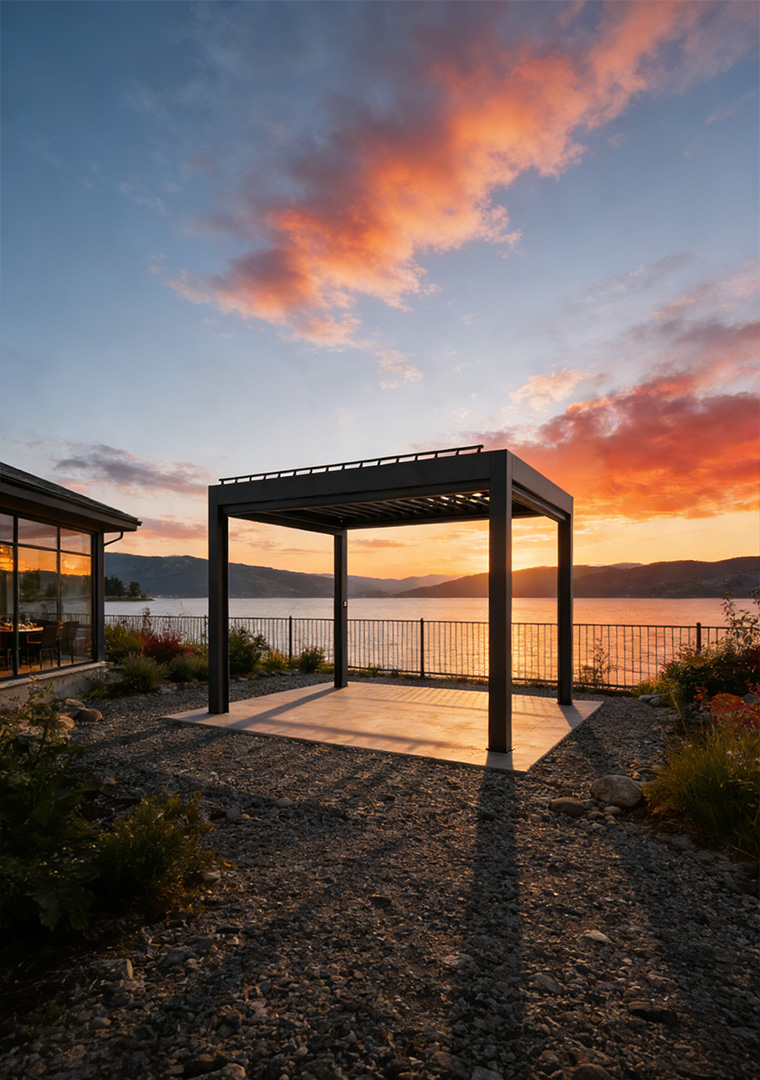
Quality separates quickly. Check for stainless-steel fasteners in coastal areas, powder-coated aluminum rated to a specific thickness, and racking systems with third-party load testing or both European and UL certifications. Warranty language reveals intent: lifetime product terms with pro-rata clauses and short workmanship windows often mean you’ll pay for long-term maintenance. Request test reports, manufacture lot numbers for critical parts, and an explicit wind-load rating for the complete assembly.
Common pitfalls buyers miss
Buyers skip structural reviews, assume standard flashing will fit, or accept ambiguous handover documents. Those choices lead to water intrusion, accelerated corrosion, and permit rework. Avoid quotes that don’t include an as-built drawing, a clear electrical disconnect plan, or a single point of accountability for post-installation issues. If a dealer resists issuing stamped drawings when local code requires them, treat that as a red flag.
Practical checklist for comparing dealers
Match three comparable written quotes and confirm: whether the price includes stamped drawings, who pulls permits, length and coverage of workmanship warranty, exact materials and fasteners, and a clear milestone-driven schedule. Verify references from recent local installations and ask to see one completed site within a 50–100 mile radius when possible. A concise side-by-side on those items yields a clearer decision than headline price alone.
Final assessment
Compare dealers by what they commit to in writing, not by sales pitch. When cost, lead time and quality align with your tolerance for risk, you get predictable outcomes rather than surprises. For many buyers that means choosing a supplier that documents engineered designs, provides explicit milestones tied to permitting and inspection, and stands behind materials and workmanship—qualities exemplified by Light Hunter.