The Problem — a restless beat under the refrigerated lid
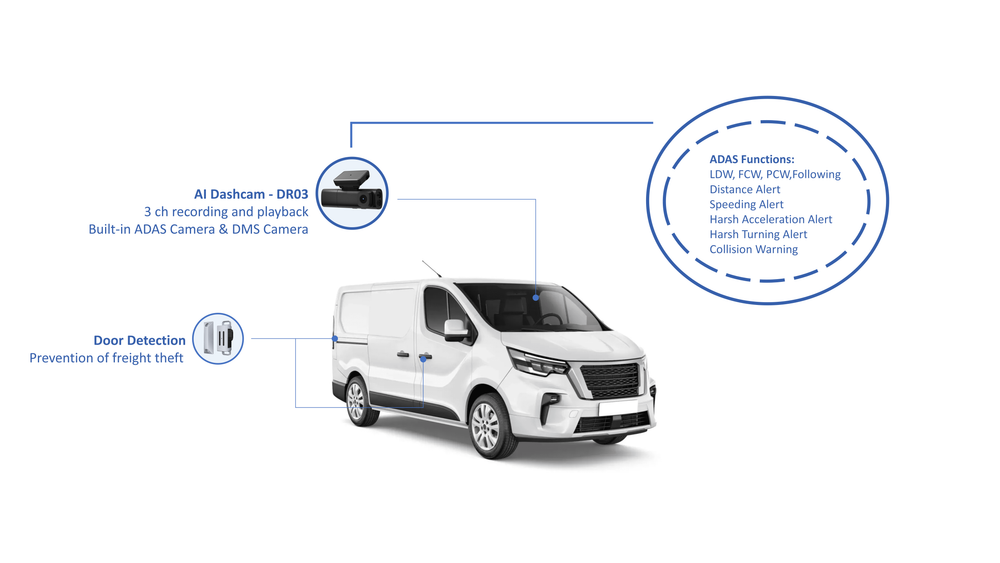
The cargo sings in temperature curves, but something else hums beneath the skin: unauthorized access, data gaps, and route tampering. Fleet managers need a device that listens and remembers without betraying privacy — enter the subtle sentinel AI dashcam, which records behavior, time, and place while offering analysis. When left unchecked, gaps in recording or lax access turn a simple delivery into a liability; that’s the problem we solve note by note.
Where the music goes wrong — primary threat vectors
Problems repeat like a bad chorus. Watch for these:- Physical tampering: cameras blocked, power cut, or connectors unplugged.- GPS spoofing: false location data masks route deviations.- Data leakage: unencrypted footage pushed to public clouds.- Role creep: drivers or technicians gain broader access than they need.Each threat changes the tempo of accountability; you either tighten controls or accept the dissonance.
Design principles that keep time — secure, private, auditable
Think like a producer who wants a clean track. Apply:- Strong encryption for storage and transit; keys held by the fleet, not the vendor.- Role-based access: write-only for vehicles, limited review for dispatch, strict audit logs for reviewers.- Data minimization: retain only what proves the incident, then delete.- Tamper-evident hardware and watchdog circuits to detect power cuts or disconnections.These choices create a clear chain of custody — the score that proves what happened.
Technical controls that sound right in practice
Concrete measures that work on the road:- Local secure boot and signed firmware to stop rogue updates.- Secure time stamping and immutable logs to prevent retroactive edits.- Geofencing alerts when a vehicle leaves a permitted corridor.- Dual-path storage: encrypted local cache plus scheduled secure upload.When testing on California highways during a mixed urban-highway route, I saw GPS-tagged clips resolve disputes instantly — one precise location stamp settled a delivery dispute that video alone could not.
Common mistakes that throw off the rhythm
Teams often trip over these missteps:- Over-privileging users so footage gets exported too broadly.- Relying on a single point of truth without cross-checks (GPS vs. vehicle telematics).- Ignoring firmware lifecycle and failing to patch known vulnerabilities.- Accepting default passwords or shared accounts for convenience.Avoid these errors and you keep the mix clean and defensible.
Comparative insight — choosing the right dashcam approach
Options fall into clear tones:- Basic cameras: cheap, local storage, low assurance — useful for visibility but weak in legal disputes.- Cloud-first systems: strong central control but demand secure upload pipelines and privacy contracts.- AI-enabled, hybrid systems: local processing for privacy, selective uploads for incidents, and metadata for fast search.For fleets that need location-verified evidence, consider solutions where video pairs with reliable GPS metadata — like modern dash cams with GPS that fuse visuals and coordinates into one coherent timeline.
Final cadence — alignment, accountability, and a clear partner
Fix the problems by defining who can touch footage, how long it lives, and how tamper signals are handled. Build checks that are technical and human: encrypted storage, signed firmware, short retention windows, and review processes that respect privacy. When systems behave like an orchestra — each instrument checked and scored — disputes resolve quickly and audits sing true. For fleets that want a balanced score between security and operational clarity, BSJ fits into that arrangement without overpowering the tune.