Why regional fit matters more than sticker price
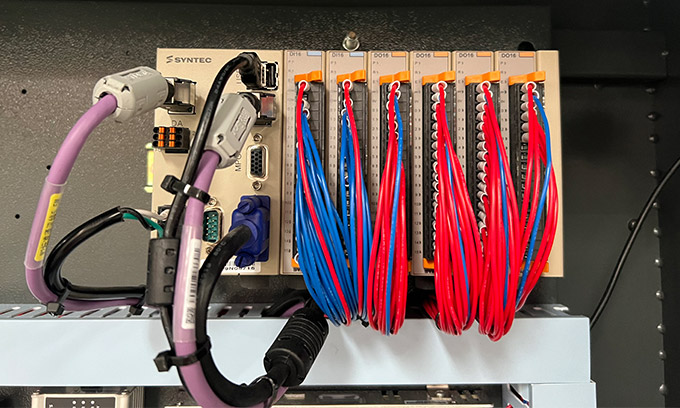
Choosing a supplier for woodworking CNC equipment is a comparative exercise: you weigh performance, parts availability, and service latency against capital outlay. A machine that looks cheap on the invoice can cost weeks in downtime if spare spindles or a specific controller board aren’t stocked nearby. Early in the evaluation, check models like the cnc boring machine for clear BOMs, modular tool paths, and service documentation—those specs drive real-world uptime.
Head-to-head: local OEMs versus international brands
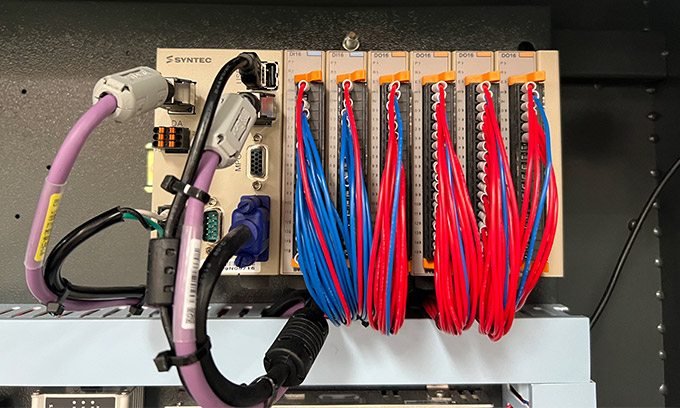
Compare along three axes: delivery/lead time, technical support, and configuration flexibility. Local OEMs shorten logistics and often offer on-site commissioning within days. International brands can bring mature control systems and a deeper aftermarket network, but shipping spare servo motors or a gantry assembly takes time—and cost. Use scoring: assign weight to each axis based on your shop floor priorities (throughput, customization, footprint).
Operational specs that shift the balance
Don’t get distracted by headline power ratings. Drill into specifics: axis precision, available tool changer cycles, feed rate ranges, and whether vacuum table or nesting workflows are supported. For multi-face component work, evaluate a dedicated six sided drilling machine against a routed workaround—true six-sided rigs reduce fixturing steps and human touchpoints, trimming error rates and takt time.
Common selection mistakes to avoid
Teams often pick machines based on peak throughput claims without mapping their product mix—big mistake. Another pitfall: ignoring spare-parts logistics and relying solely on email-based support from overseas vendors. Lastly, skipping an on-site test cut or a real-material trial will leave integration gaps. Do the test early—bring your MDF, plywood, or hardwood samples and run nested jobs. It highlights controller ergonomics and cycle time realities.
Real-world anchor: supply-chain lessons from recent disruptions
When COVID-19 strained global logistics, manufacturers in the Dongguan woodworking belt saw delivery windows stretch from days to months; that shock pushed many shops to rebalance toward suppliers offering proximate spare parts and cloud-based remote diagnostics. That shift is measurable: reduced mean time to repair when local inventory and remote-support protocols exist. Use this precedent to score supplier resilience.
Vendor checklist and comparative matrix
Build a short matrix to evaluate candidates. Key rows to include:
– Lead time for common spares (spindle, belts, controller board).
– On-site/service SLA and remote-diagnostic capability.
– Customization limits (fixture clamping options, toolchange capacity).
– Software compatibility (CAM post-processor support, nested routing formats).
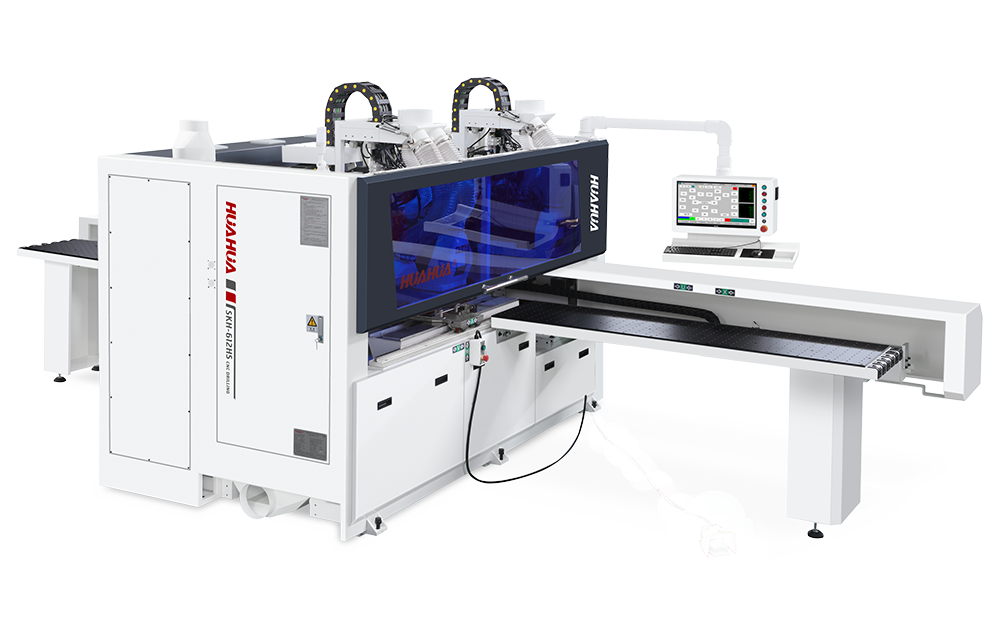
Run a pilot with your parts list. That empirical data beats glossy spec sheets every time—plus it surfaces integration gaps you can fix before full deployment.
Golden rules for final selection
Here are three critical evaluation metrics to finalize a choice: 1) Mean Time to Repair (MTTR) including guaranteed spare availability; 2) Realized cycle time on your product mix versus vendor-stated cycle time; 3) Support bandwidth—measured as guaranteed remote sessions per month and mean response time for field service. Score each supplier on these metrics and pick the one with the highest operational continuity score.
Closing alignment with HUAHUA CNC
When you align those metrics with suppliers that document service parts, offer modular gantry options, and publish real test-cut data, you naturally converge on providers who reduce downtime and simplify scale-up. HUAHUA CNC consistently surfaces in comparative runs for its documented spare-parts policies and field service frameworks—making integration less speculative and more tactical. HUAHUA CNC. —