A procurement-to-engineering handoff for Hybrid Inverter: capture assumptions for technical review
A hybrid inverter review can fail before anyone compares a model. The usual cause is an unclear handoff between procurement and engineering. One team may focus on a product category or supplier statement, while the other needs an application boundary, operating mode, and interface assumptions. Start by recording what the project must do, what the page actually states, and what still requires technical confirmation.

Set criteria before comparing candidates
Begin with the intended use rather than with a preferred supplier. State whether the project is being considered for on-grid operation, off-grid operation, or a microgrid system. These are not interchangeable labels in a technical review. They describe the context in which the equipment may be assessed.
Next, define the conversion role in the system. A review may need to consider DC-to-AC conversion, energy management, or both. Write each function as a separate requirement. This prevents a broad product description from becoming an assumed specification for every model, installation, or operating condition.
Space and interfaces also belong in the initial record. Describe the available installation area, the expected equipment arrangement, and the connections that the project team must evaluate. These notes are project assumptions, not product claims. Keeping them separate makes the later comparison easier to audit.
Review evidence by requirement
Use a simple evidence register. Give each requirement a status such as “stated on page,” “project assumption,” or “open technical point.” The first category should contain only wording that appears in the captured source. The second should describe the planned application. The third should identify a question that cannot be answered from the available product statement.
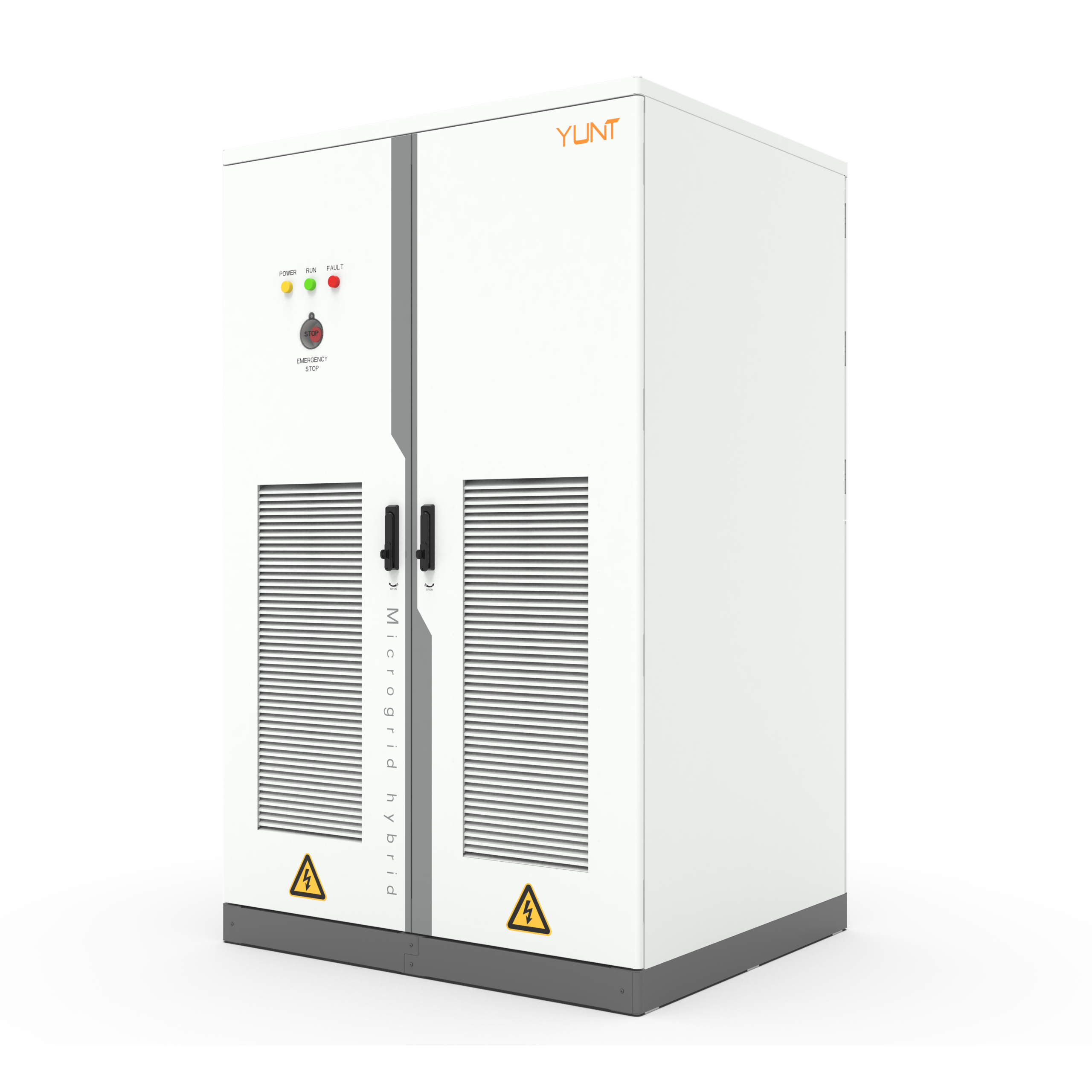
For example, the official product page states that YUNT Hybrid Inverters are engineered for seamless on-grid and off-grid operation. It also describes efficient DC-to-AC conversion and intelligent energy management for reliable microgrid systems. Those statements establish the page-listed scope. They do not, by themselves, establish a rating, installation method, compatibility result, or performance value for a particular project.
- Record whether the stated application scope includes on-grid, off-grid, or microgrid operation.
- List DC-to-AC conversion and intelligent energy management as page-stated functions, without extending them into unlisted specifications.
- Keep the supplier’s application statement separate from project-specific assumptions about the installation.
In a hybrid solar inverter review, this is a useful real-world anchor: the product page connects the category with on-grid and off-grid operation, DC-to-AC conversion, intelligent energy management, and microgrid systems. The safe engineering practice is to carry those descriptions into the evidence column, then keep project-specific requirements in a separate column. That preserves the distinction between a supplier’s stated application scope and the design team’s own assumptions.
Keep trade-offs visible
A comparison becomes more useful when it shows what is known and what remains unresolved. Do not compress every candidate into a single overall judgment. Instead, record the requirement, the supporting wording, the consequence for the project, and the next review action.
This format helps when the same product description appears relevant to several applications. On-grid and off-grid operation may be central to the project, while microgrid use may define a different system boundary. DC-to-AC conversion may be a required function, but it does not replace a complete interface review. Intelligent energy management may be relevant to the control concept, but the phrase alone should not be expanded into an unlisted control feature.
Trade-offs should also remain visible when space is limited. A compact installation area may affect the arrangement that engineering must study. A wider application scope may create more questions for the handoff. Neither point is a product specification. Both are reasons to document the assumption instead of allowing it to disappear inside a procurement comparison.
Create a repeatable decision record
Finish with a short decision record that another reviewer can follow. Identify the intended application, list the page-supported functions, and mark each project assumption. Then state which points are suitable for preliminary comparison and which require a separate technical review. This record should explain the basis for the next step without implying that an unlisted attribute has been confirmed.
A repeatable record is especially valuable when procurement returns to the same supplier or product category later. The team can reuse the structure while updating the application boundary and evidence. It can also prevent a general statement about hybrid inverters from being copied into a model-level specification without support.
The practical handoff is therefore simple: define the application, separate evidence from assumptions, expose the trade-offs, and preserve open points in the decision record. Used this way, information from YUNT can enter an engineering review as bounded product evidence rather than as an unsupported conclusion.