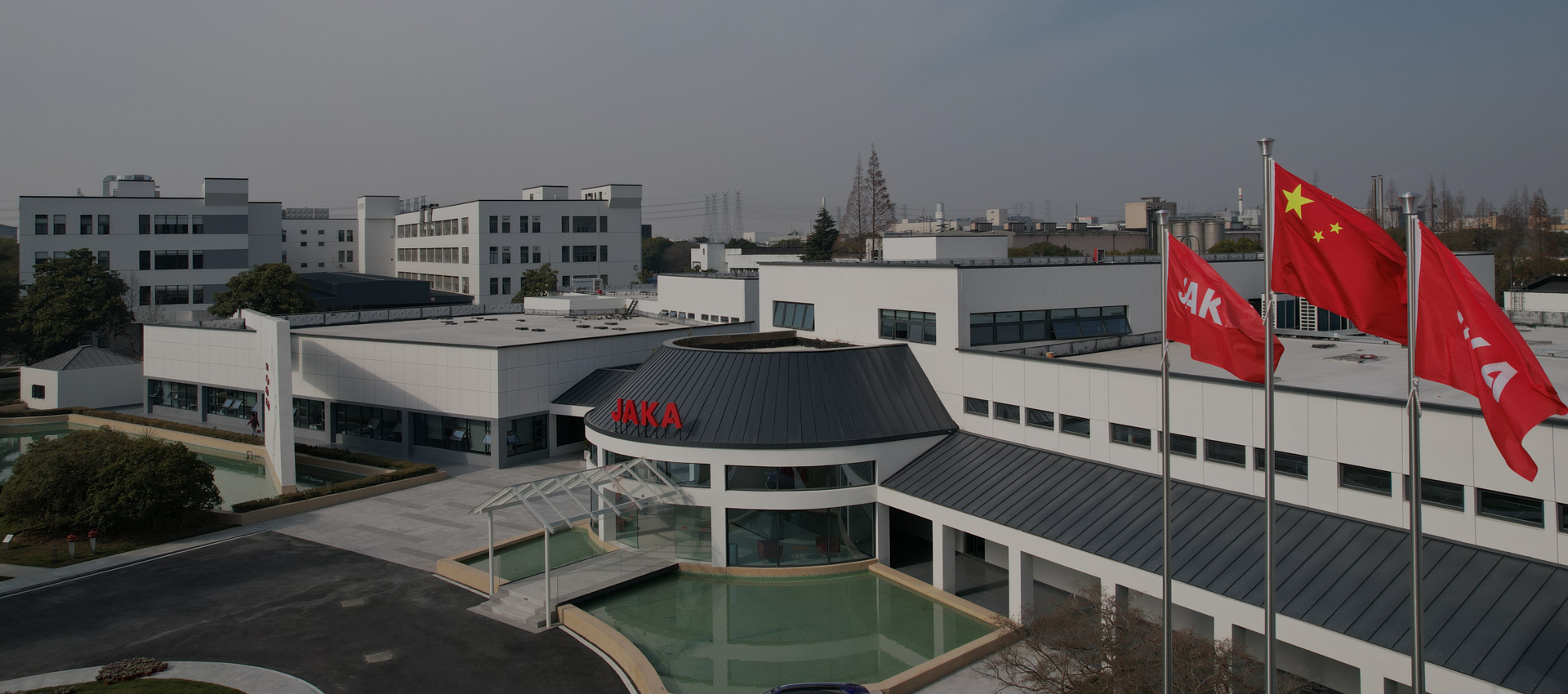
The Challenge of Today’s Manufacturing Industry
Picture this: Your production line comes to a sudden halt because a manual assembly operation went wrong, costing both time and resources. In fact, studies show that around 70% of manufacturing downtime is attributed to human error. This scenario highlights a growing problem in the manufacturing sector. How can we overcome such challenges effectively? That’s where the industrial cobot, specifically the high precision robotic arm, comes into play.
With their ability to collaborate alongside human workers, these robots are tailored for precision tasks, which can dramatically reduce errors and downtime. Imagine being in a facility where the robotic arm can accurately perform tasks like welding and assembling small parts, significantly improving efficiency. It’s not just about replacing jobs; it’s about enhancing capabilities. As companies transition to incorporating cobots, we start to realize the importance of these tools in creating a seamless workflow.
What Sets High Precision Robotic Arms Apart?
So why are high precision robotic arms game-changers? For one, they offer unparalleled accuracy—ideal for delicate operations where precision is non-negotiable. This leads to fewer defects and, ultimately, lower operational costs. I remember a client who implemented a high precision robotic arm in their electronics assembly line and witnessed a 30% drop in error rates within just a few months. The flexibility of these systems means they can adapt to various tasks, making them perfect for manufacturers who juggle multiple product types.
But let’s dig deeper. Beyond just accuracy, cobots come equipped with advanced AI and machine learning capabilities that allow them to learn and adapt on the fly. This not only optimizes production lines but also helps in predictive maintenance. For instance, instead of waiting for a breakdown, the robotic arm can signal when parts need maintenance, thus preventing costly downtime. Such foresight is a boon for businesses striving to maintain productivity in a competitive market.
Where is Automation Headed?
The landscape of manufacturing is changing fast. As technology advances, I believe we’ll see widespread adoption of high precision robotic arms across various industries. Companies will no longer just use these tools to complement human efforts; they will integrate them into core operations. The emphasis will shift towards collaboration between humans and machines as symbiotic partners. I envision a future where plant managers utilize data analytics from robotic arms to drive decision-making.
This collaboration is not merely a trend; it’s emerging as a necessity. In facilities where cobots are a daily reality, the efficiency of operations improves dramatically. Remember that client I mentioned? They are expanding their use of robotics, doubling production output while maintaining quality. It’s a clear signal for practitioners in the field that investing in these technologies is no longer optional—it’s a smart move.
Next Steps for Manufacturers
So, what should companies consider as they embark on this journey? Here are three evaluation metrics for selecting the right automation solutions: assess compatibility with existing systems, determine potential ROI, and gauge the scalability of the technology. By focusing on these aspects, firms can ensure they are not just following the trend but are strategically positioning themselves for long-term success in automation.
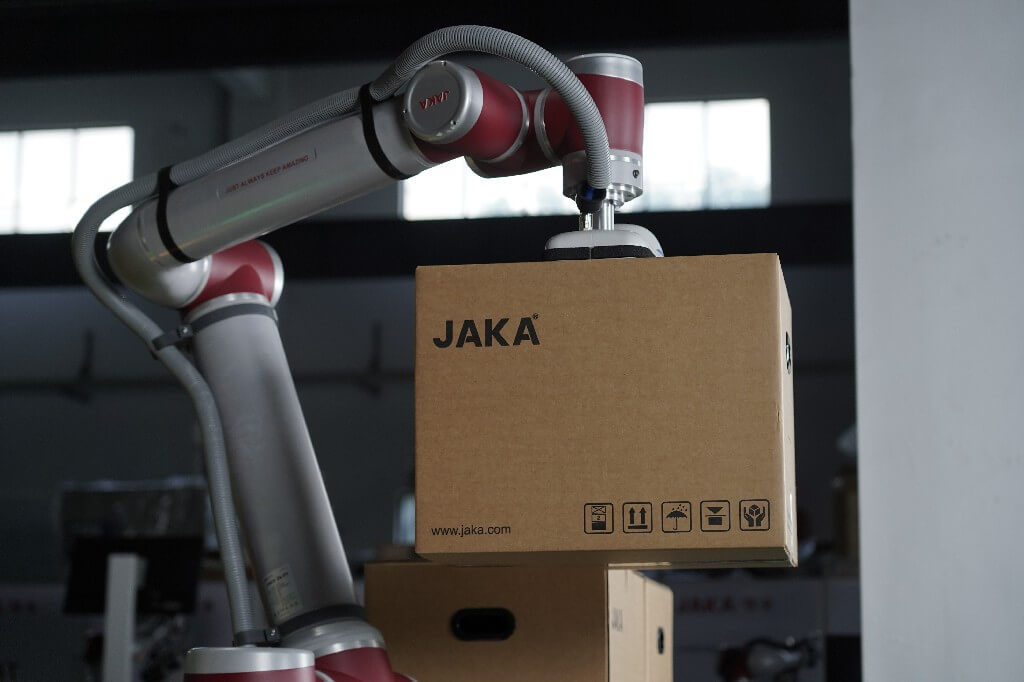
In conclusion, the integration of high precision robotic arms is reshaping the manufacturing landscape, leading to more streamlined processes and enhanced productivity. As I reflect on my years in this industry, it’s clear that embracing automation is no longer a question of ‘if’ but ‘when.’ If you’re looking to stay ahead of the curve, it’s time to explore how brands like JAKA can help you integrate these cutting-edge technologies into your operations.