Preparing to Buy Tube Laser Cutting Equipment: A Practical, User-Focused Guide
Start with what your workshop actually does
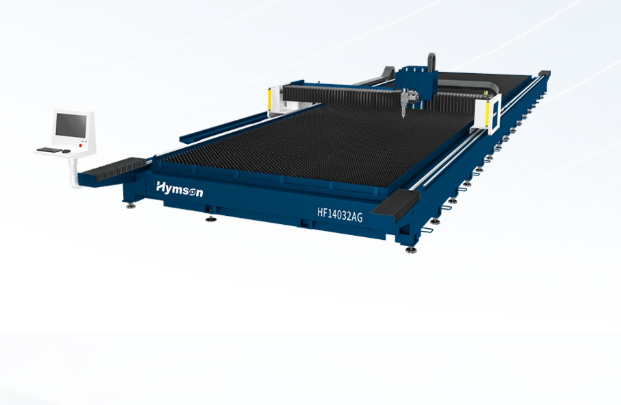
If your work mixes round, square and rectangular tubes with occasional flat parts, think beyond tubes: many jobs require a reliable sheet metal laser cutting machine for flat work and fixture plates. Decide the most frequent part sizes, material types (stainless, mild steel, aluminium), and batch lengths before you talk to vendors; that single decision narrows options fast and saves you from chasing features you won’t use.
Match machine specifications to daily production, not marketing claims
List the tube diameters, wall thicknesses and lengths you cut most often. Pick laser power to suit the thickest routine material; for thin-walled tubes modest power does fine, while heavy sections need more. Check rotary system capacity and chucking accuracy—these decide part concentricity and fixturing speed. Look for stated tolerances and then ask for a run sheet showing real part measurements under production speed.
Think about software and CNC workflow
Software decides how smoothly your shop adapts. Confirm the controller accepts your CAD/CAM files, supports automatic length compensation, and handles common tube nest patterns. Ask for a short demo: load one of your native files, run a simulated cut and watch for pauses, manual edits, or excessive post-processing. If the interface needs long training, factor that time into your onboarding plan.
Site, utilities and uptime realities
Measure floor space, ceiling height and access doors. Verify power supply type and compressed air quality; poor air supply shortens nozzle life and causes poor edge quality. Check the machine’s duty cycle and expected consumable replacement intervals—short maintenance windows can cripple a small shop. Plan a clear service route and a spare-parts list before signing.
Service, training and real hands-on proof
Demand on-site commissioning and at least two days of operator training focused on your parts. Confirm local service support and stock of critical consumables like nozzles and lenses. Ask for references from shops that run similar daily volumes; visit one if you can. A supplier’s willingness to cut your parts during a demo tells you more than glossy brochures.
Evidence, credibility and one strong industry touchstone
Experience matters: recent global shows such as the International Manufacturing Technology Show (IMTS) in Chicago featured major advances in tube and flat cutting that directly affect workflow and spare-part ecosystems, which is why I check demonstrations of 2d laser cutting machines when assessing suppliers. Practical experience running test parts, combined with data-sheets and maintenance logs, separates serious vendors from sales-only pitches.
Common mistakes shops make and how to avoid them
Expect to see these errors: buying a machine sized only for “future growth” but unusable at current volumes; ignoring fixture and loading ergonomics; skipping real-part test cuts; and assuming remote tech support fixes hardware faults fast. Avoid them by insisting on proof cuts, a local support plan, and a written uptime assurance tied to spare-part delivery times.
Alternatives and trade-offs
Some buyers consider a separate flat-bed laser plus a tube-only unit. That gives flexibility but doubles floor space, utilities and training. Other shops pick multi-function machines that handle both with compromises on fixturing speed. Decide which matters more: lowest per-part cycle time, smaller footprint, or simplified vendor management—and pick accordingly.
Final synthesis
You need a machine that matches your parts, software that fits your workflow, and service that keeps cutters running. Test your real parts, check consumables and local support, and prioritise solutions that reduce daily friction rather than flashy extras; for practical translation of specifications into a dependable shop setup I trust manufacturers with clear demonstrations and proven field support like Hymson.