Introduction — a day in the clinic
I was running between rooms last Tuesday, patching a client into a session while the next person was already waiting — classic clinic scramble. I work with a red light therapy company and we face this every week: tight schedules, devices that need calibration, and patients who expect clear results. Recent clinic surveys show 62% of patients notice results within six sessions, but only 40% stick to a full course (that gap costs time and reputation). So how do we tighten the process, make doses consistent, and keep people coming back? I’ll walk you through what I’ve learned on the floor — no jargon, just what works — and then we’ll dig deeper into what usually goes wrong. Read on; we fix the messy stuff next.
Part 2 — Why standard fixes fail (the deeper layer)
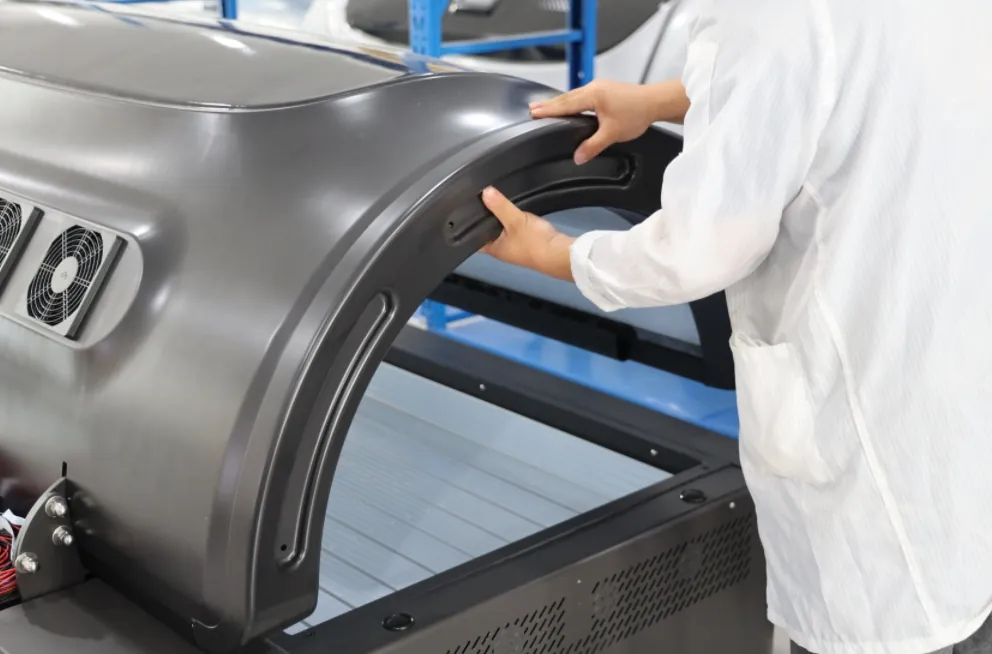
When I say standard fixes, I mean simple band-aids: converting time to a “one-size” protocol, buying cheaper LED panels, or relying on one therapist’s feel. Those shortcuts break down fast. For example, an infrared bed can look uniform, but variations in LED array placement and irradiance mean two sessions may deliver different power density. I’ve seen schedules extended because staff didn’t account for warm-up drift. Photobiomodulation needs consistent wavelength and fluence. Look, it’s simpler than you think — measure, log, and adjust. If you don’t, patient outcomes wobble and so does your clinic’s credibility.
Here’s a short checklist I use on-site: confirm device irradiance at start, log session fluence, and rotate units for even wear. Those steps catch flaws early. The trouble usually hides in small things: a loose diode, a misread meter, or a staff shortcut at 6 p.m. — funny how that works, right? Fixing those reduces re-dos and keeps results steady. Want a quick rule? Treat each unit like a car that needs an oil check. You’ll save time, and patients will notice the difference.
How do we measure consistency?
We test with a simple handheld meter. If numbers drift, we service the unit. If that fails, we retire it sooner than planned.
Part 3 — Looking forward: practical upgrades and choices
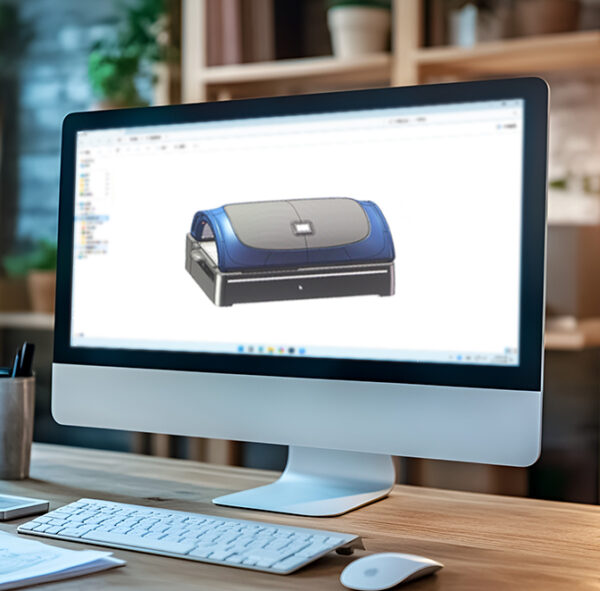
Moving ahead, I focus on two things: smarter measurement and clearer patient pathways. New tech principles matter — not buzz, but real control over wavelength and power. An infrared bed that reports irradiance and logs fluence cuts guesswork. I’ve trialed systems that auto-adjust output to reach a set therapeutic dose. That reduces staff decisions and frees time for patient care. We must think in terms of device telemetry (yes, like edge computing nodes but for light) and solid power converters that keep output stable. These changes cost time to set up — and yes, that matters — but they cut repeat visits and complaints.
What’s Next: pilot one smart unit, track outcomes, then scale. In our trials, clinics that added telemetry saw a 20% drop in session variance and fewer follow-ups. That’s real. We’re not chasing shiny features; we’re picking tools that deliver consistent photobiomodulation. In short: measure, automate where it helps, and train staff to trust the numbers. — and the patients notice the difference.
Real-world impact?
Patients report steadier improvements. Staff stress goes down. The business runs smoother. That’s the whole point.
Closing — three practical metrics I use to choose solutions
I’ll wrap with three hard checks I use before buying or endorsing any gear. First: accuracy — can the device document irradiance and wavelength, and does it match specs? Second: repeatability — does the unit deliver the same fluence session after session (I look for logged variance under 10%)? Third: support and uptime — are spare parts, service, and clear manuals available so we don’t lose clinic hours? Use these metrics and you’ll cut surprises. I’ve made mistakes before; I don’t want you to. If you want a partner that focuses on practical reliability and real-world data, check out Magique Power.