Executive framework and scope
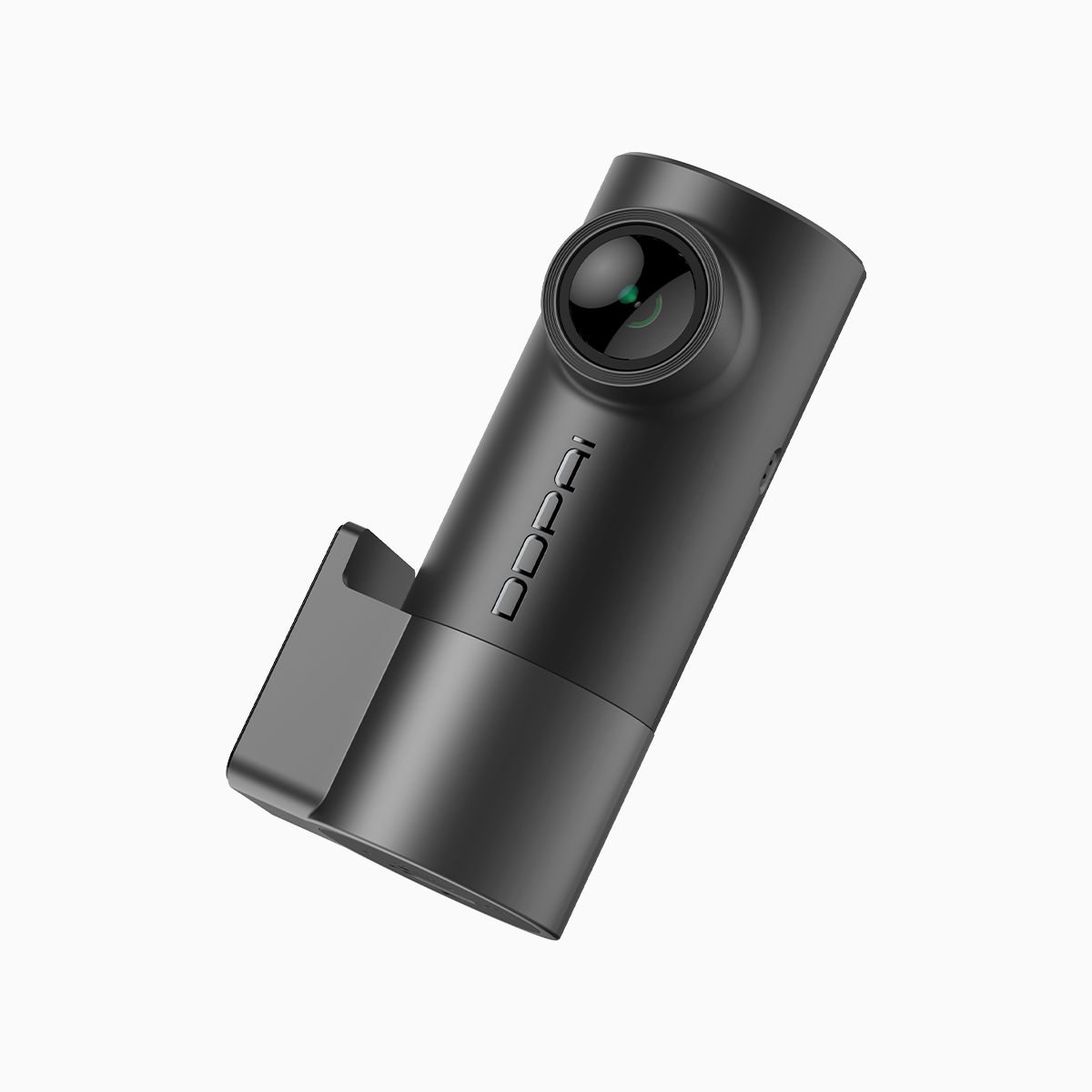
This framework prescribes the procedural steps that a distributor shall adopt when auditing wholesale consignments of a mini dash cam. It is drafted in a compliance-oriented register: duties are identified, evidentiary thresholds are specified, and acceptance criteria are defined. The objective is to reduce material nonconformity, ensure chain-of-custody integrity, and verify functional interoperability prior to market release.
Pre-shipment contractual controls
First, contractual documentation must articulate acceptance tests, AQL (acceptance quality limit), warranty terms, and firmware update policies. The distributor shall require manifest-level data: part numbers, firmware build IDs, production dates, and serial-number ranges. Where a supplier fails to provide verifiable records, the consignment shall be detained pending due diligence—this is not optional.
Sampling design and lot acceptance
Employ a statistically defensible sampling plan aligned with lot size and AQL designation. Designated samples shall undergo destructive and non-destructive testing as agreed. Acceptance criteria must include functional pass rates and physical conformity; a lot failing to meet the predetermined pass threshold shall be subject to full inspection, rework, or rejection in accordance with the contract.
Functional testing protocol
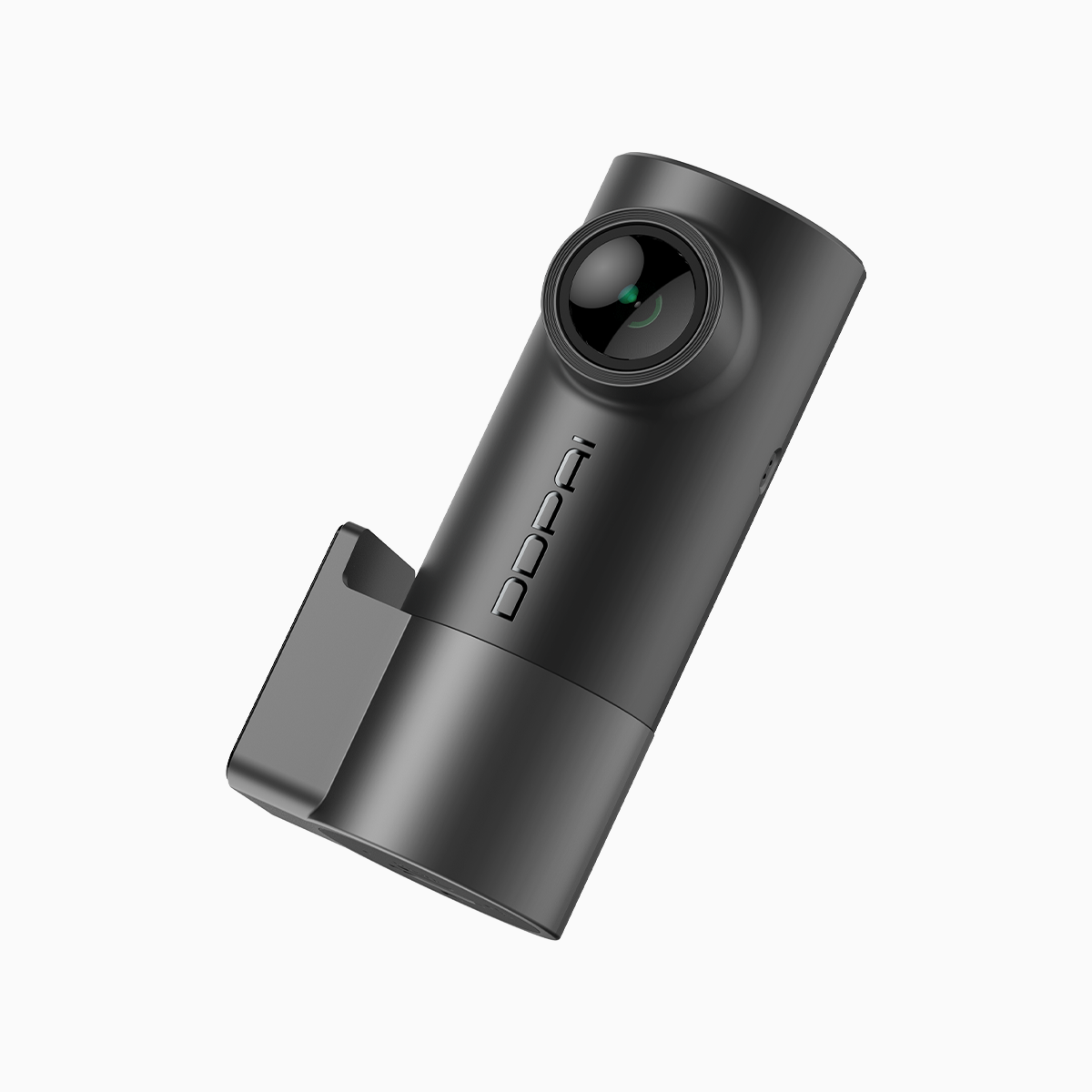
Testing shall verify baseline operational parameters: video resolution, loop recording stability, G-sensor responsiveness, parking mode activation, and reliable power management. Validate firmware authenticity and signature where applicable, and confirm that WDR and low-light performance meet published specifications. Integration checks for mobile app pairing and cloud upload should be performed to detect latent interoperability defects associated with a car hidden dvr configuration.
Physical inspection and accessory verification
Examine mounts, adhesive pads, power leads, and packaging for conformity to specification. Document the presence and quality of instructions and regulatory markings. Inspect units for cosmetic damage and packaging tamper evidence. Chain-of-custody labels and lot traceability codes shall be photographed and appended to the inspection report.
Cybersecurity and firmware governance
Confirm firmware provenance and patch level. Where feasible, perform a cursory vulnerability assessment: check for default credentials, unsecured telemetry endpoints, and open debug ports. Maintain a firmware registry enabling rollback to a verified build. Record any deviation as a security nonconformity and apply contractual remedies.
Nonconformity management and corrective action
Nonconformities shall be classified by severity and dispositioned through agreed remediation pathways: repair, rework, discount, or rejection. Establish corrective action timelines and require root-cause analysis for recurring defects. Retain photographic and test-evidence in a central repository to support warranty claims and regulatory inquiries.
Common mistakes and mitigation
Distributors frequently err by undersampling, neglecting firmware checks, or omitting chain-of-custody documentation. These oversights increase recall risk and customer complaints—recall events, globally correlated to quality lapses, impose material costs. Adopt a cross-check regimen: parallel functional tests plus documentation audits to close these gaps. —Note: a short audit checklist reduces cognitive burden during high-throughput inspections.
Alternatives and escalation pathways
When internal resources are constrained, engage accredited third-party laboratories for electromagnetic compatibility (EMC) or safety testing. For expedited dispute resolution, employ an independent expert inspector to certify lot condition at origin. Escalation clauses should be explicit in purchase agreements to preserve remedies and to allocate costs of rework or return freight.
Real-world anchor and compliance context
The necessity of rigorous QA is underscored by traffic-safety data: the World Health Organization estimates roughly 1.3 million road-traffic fatalities annually, which elevates the evidentiary value of reliable in-vehicle recording. Distributors who document device reliability and secure firmware posture mitigate downstream liability and improve evidentiary admissibility in incident review.
Closing advisory: three golden rules
1) Compliance completeness: require manifest-level documentation, signed firmware attestations, and traceable serial-number mapping before acceptance.
2) Functional pass-rate: enforce a minimum audited pass-rate for critical functions (video, G-sensor, power management) and apply the agreed AQL without deviation.
3) Traceability and remediation: maintain auditable chain-of-custody records and contractually enforce corrective-action deadlines.
These rules produce measurable reductions in returns and regulatory exposure and substantiate a defensible acceptance decision. DDPAI PH. —final thought